As an Amazon Associate, we earn from qualifying purchases. Some links on this site are affiliate links at no extra cost to you. Our recommendations are based on thorough research and editorial judgment.


Why Dusk Driving Feels Hard: Contrast Sensitivity Explained

Dusk driving can feel tough because our contrast sensitivity takes a hit in low light. We need nearly double the light to see clearly compared to daytime, impacting our ability to spot signs or pedestrians. Plus, glare and halos from headlights can make everything look distorted. It’s mind-blowing how much this affects our safety, increasing accident risks dramatically. If we’re keen on improving our nighttime driving skills, let’s explore some effective strategies together!
Key Takeaways
- Dusk driving reduces light levels, requiring nearly double the illumination for clear visibility and heightened contrast sensitivity challenges.
- Poor contrast sensitivity makes it difficult to distinguish road signs and pedestrians against darker backgrounds, increasing accident risks.
- Glare from oncoming headlights can cause temporary blindness and distort visual perception, complicating distance estimation.
- Individuals over 50 and those with specific eye conditions are more susceptible to dusk driving difficulties due to compromised vision.
- Using night driving glasses with anti-reflective coatings can enhance visibility and improve contrast sensitivity while driving at dusk.
What Is Contrast Sensitivity and Why Does It Matter for Driving?

You may be interested


Hey there! Have you ever heard of contrast sensitivity? It’s super important for our vision, especially when we’re driving. Simply put, contrast sensitivity is our ability to notice differences between light and dark. Think about when you’re driving at night; if you can’t distinguish between a dark road sign and the background, you might miss critical information without even realizing it.
Here’s a surprising tidbit: even if your eyesight is perfectly sharp, poor contrast sensitivity can increase your likelihood of accidents by a staggering 40%! Imagine trying to spot a low-contrast road sign while oncoming headlights are blinding you. That scenario can get pretty dicey if your contrast sensitivity isn’t up to par. Fortunately, using night driving glasses with anti-glare polarized lenses can help improve contrast sensitivity and reduce glare for safer nighttime driving.
Common Night Driving Challenges: Glare, Halos, and Depth Perception Issues
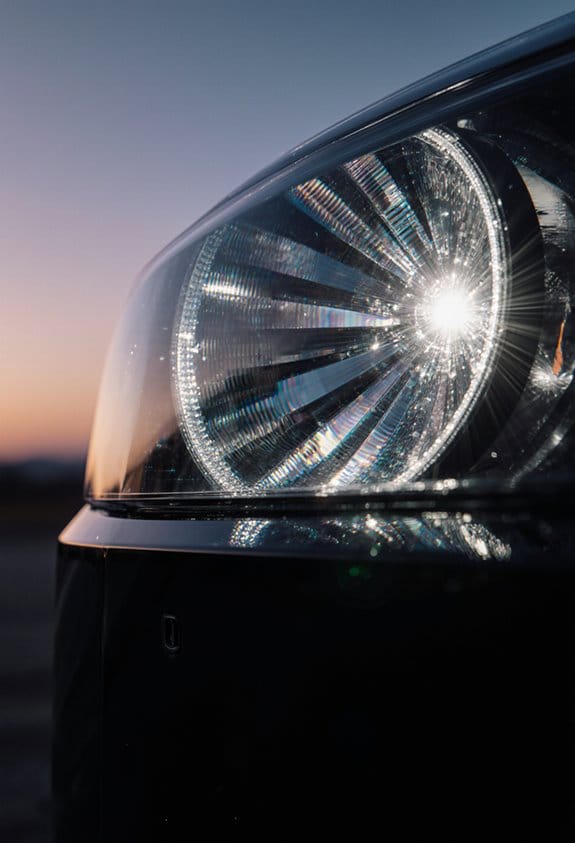
Hey! You know how driving at night can feel like navigating through a maze? The main challenges we run into are glare, halos, and depth perception issues. Those bright LED headlights from oncoming cars can really hit you hard, almost blinding at times! And don’t even get me started on those annoying halos and starbursts around lights—they can make everything look warped, like we’re in a funhouse.
Now, when it gets dark, it’s tougher to judge how far away things are, and studies show that this can bump up crash risks by a whopping 40%. If you’re over 50 or have had specific eye surgeries, you might notice these problems even more. For example, if you’re using monovision correction—where one eye is focused for distance and the other for near—don’t be surprised if glare feels more intense and uncomfortable.
Have you ever thought about using night driving glasses? They can filter some of that harsh light and reduce glare, but it might be a good idea to get an eye exam first. That way, you’ll know if your eyes are ready to tackle those nighttime roads. So, let’s make sure we’re prepared for whatever night driving throws our way!
Dusk and Its Effect on Contrast Sensitivity in Driving

Hey there! Have you ever noticed how driving at dusk can be a bit tricky? As the sun sets, our eyes face some real challenges with contrast sensitivity. This means it’s harder to see things clearly, especially when it’s getting dark. In fact, we need almost double the light to see as well as we do during the day!
This lack of light affects how well we can pick out traffic signs or spot pedestrians, which can really mess with our reaction times. For instance, you might not see that bike rider in black against a darkening background until it’s too late, or you could miss road signs that blend into the scenery. It’s a tough reminder that we really rely on our vision for safe driving.
As dusk approaches, it’s smart to be extra vigilant. Adjust your speed, keep an eye on the road, and be ready for anything unexpected. Wearing night driving glasses can help reduce glare and improve your visibility in low-light conditions. This awareness is key to ensuring that you arrive safe and sound. Want to learn more about how different times of the day affect our driving? Let’s keep going!
Proven Strategies to Improve Contrast Sensitivity for Night Driving Safety
You know, improving our contrast sensitivity for night driving isn’t just something people talk about—it’s really crucial for keeping us safe on the road. Regularly testing our contrast sensitivity can give us a clearer picture of how well we’re seeing compared to those standard eye exams. If you find that glare is a big problem for you in low light, it might be worthwhile to consider glasses with anti-reflective coatings. These can really help to sharpen your vision and cut down on that annoying glare.
Also, have you ever thought about wearing specialized eyewear specifically designed for nighttime driving? It can really make a difference! Plus, let’s not forget about the role of nutrition in our eye health. Eating foods rich in lutein and zeaxanthin, like spinach and eggs, can support your contrast sensitivity too. So, staying sharp while driving in the dark is definitely a combination of good vision care and smart dietary choices.
Many drivers find that choosing polarized driving glasses enhances visibility by reducing glare from headlights and reflective surfaces.
All in all, it’s about making sure we’re prepared for those nighttime drives. With the right approach, we can navigate those dark roads with more confidence and safety. Speaking of preparation, let’s talk about some practical tips for nighttime driving.
Driving With Monovision: Tips for Nighttime Safety
Driving with monovision can definitely come with its challenges, especially when it’s dark outside. You might find yourself dealing with issues like depth perception and figuring out distances—both of which can feel a bit tricky at night. One easy fix is to get a pair of specialized driving glasses that have anti-reflective coatings. These glasses really help reduce glare from headlights, which means you’ll see things more clearly in low-light situations.
Also, don’t forget to keep up with regular check-ups with your eye care professional. They can give you the best advice to handle any ongoing visual hurdles. For instance, if you’re having trouble seeing road signs at night, they may suggest specific lens enhancements to improve that. Staying informed makes nighttime driving less daunting. Nobody wants to be that driver squinting at oncoming headlights, right?
Choosing glasses with polarized lenses can further enhance contrast and reduce glare, making nighttime driving safer and more comfortable.
Signs of Serious Night Vision Issues: When to Seek Help
Hey there! You know, we often think that having trouble seeing at night is just a part of growing older. But if those night vision issues start happening more often or feel really intense, it might be time to pay closer attention. For example, if you’re seeing a lot of glare or halos around streetlights while driving, that could signal something more serious going on with your eyesight.
It’s really important to consider how these changes affect your daily life. Drivers who struggle with contrast sensitivity—like having difficulty distinguishing between dark and light areas—might face a higher risk for accidents. If you’re noticing any annoying symptoms like these, chatting with an eye care professional is a smart move. They can perform a thorough eye exam to check for hidden problems, such as cataracts or macular degeneration. Using blue light blocking glasses may help reduce eye strain that can exacerbate night vision difficulties.
Frequently Asked Questions
Why Is It Hard to Drive at Dusk?
Driving at dusk’s tough because of poor visibility challenges. We struggle with headlight glare, fading road markings, and our color perception. Environmental factors, like eye fatigue, affect our depth and peripheral vision too.
Why Do I Struggle to See in the Dark When Driving?
We struggle to see in the dark because our night vision diminishes, causing poor depth perception and glare sensitivity from bright headlights. Additionally, pupil dilation affects road reflectivity, color perception, and overall visual acuity in low light.
What Is Contrast Sensitivity in Driving?
Contrast sensitivity in driving affects our road visibility, especially at night. It involves eye health and light adaptation, influencing how we perceive colors and manage glare effects, which are vital for safe driving and coping with environmental factors and aging vision.
When Driving at Night, It’s Hardest to See.?
When we drive at night, it’s hardest to see due to glare reduction, fatigue effects, and impaired peripheral vision. Adjusting headlights and being mindful of road markings and color perception can help us navigate safely.