As an Amazon Associate, we earn from qualifying purchases. Some links on this site are affiliate links at no extra cost to you. Our recommendations are based on thorough research and editorial judgment.


Why Oncoming Headlights Feel Brighter Now: LED/HD Headlights and Glare Basics

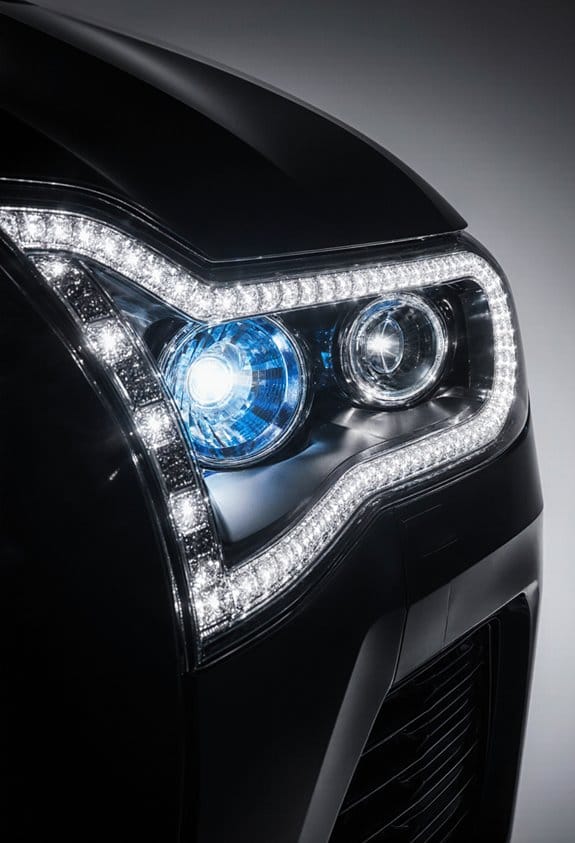
Have you ever noticed how oncoming headlights seem brighter these days? That’s mainly because LED and HD headlights can emit between 2,000 to 4,000 lumens, making them about 300% brighter than traditional halogens, which only glow at around 1,000 lumens. While this increased brightness improves visibility, it also creates a mind-blowing amount of glare for drivers like us. Misaligned lights and flashy designs add to the issue, but there’s more to the story!
Key Takeaways
- LED headlights emit 2,000 to 4,000 lumens, making them 300% brighter than traditional halogen bulbs, heightening the perception of brightness for oncoming drivers.
- Advances in headlight technology, including focused LED beams, contribute to increased glare, causing discomfort and temporary vision impairment for those driving at night.
- Misalignment of headlights and the prevalence of aftermarket lights can exacerbate glare, compounding visibility issues and safety risks for other road users.
- The bluish-white light produced by LED headlights enhances peripheral visibility but can increase glare for oncoming traffic, raising concerns about nighttime driving safety.
- Updated regulations are needed to address headlight brightness and glare; current guidelines are outdated and fail to protect drivers from intense illumination.
What Makes LED and HD Headlights Brighter?
You may be interested


Hey, have you ever thought about what really makes LED and HD headlights so much brighter than the old halogen bulbs? It’s quite interesting! These bright LED headlights can pump out between 2,000 to 4,000 lumens, which is around 300% brighter than halogens that only give off about 1,000 lumens. So, when you’re driving at night, those LED lights not only illuminate the road better, but they also have a cool bluish-white light that enhances visibility, making it easier for our eyes to spot things even off to the side.
The focused beams from LEDs also help reduce glare, so you won’t be left squinting or blinded by oncoming traffic. An example to consider: if you’re taking a road trip at night, those LED headlights can help you see pedestrians or animals on the road much sooner than halogen lights would. Plus, it’s becoming more common to see new cars equipped with these snazzy lights, with about 80% of them featuring LEDs.
It’s pretty clear that better visibility is a priority for drivers nowadays. And once you’ve experienced the difference, you really start to appreciate how much safer it feels. Speaking of safety, let’s chat about how to maintain those headlights to keep them shining bright!
For optimal eye comfort and protection under such bright conditions, wearing sunglasses with UV400 protection can help reduce the impact of intense light and glare.
Recommended Products

Durable Construction: UV-coated polycarbonate lens, PPS plastic housing, and aluminum heat-sinks for longevity.

SECOND GEN UPDATE: The 15-17 F150 XB headlights broke the internet when they came out... and while they were the undisputed king for quite a while, other options from brands like Alpharex came out that offered a little more light. In true Morimoto fashion, nothing gets left alone for long and now there is no question: The XB LED Heads for the F150 are back on top, and will be hard to top, period!

[Reference] Headlight Assembly 2017 2018 2019 2020 2021 2022 Prius Prime, Partslink: TO2503252 / OEM: 81145-47800 (Right Side/Passenger Side) / Partslink: TO2502252 / OEM: 81185-47800, 81185-47801 (Left Side/Driver Side)
How Headlight Technology Has Evolved Over the Years
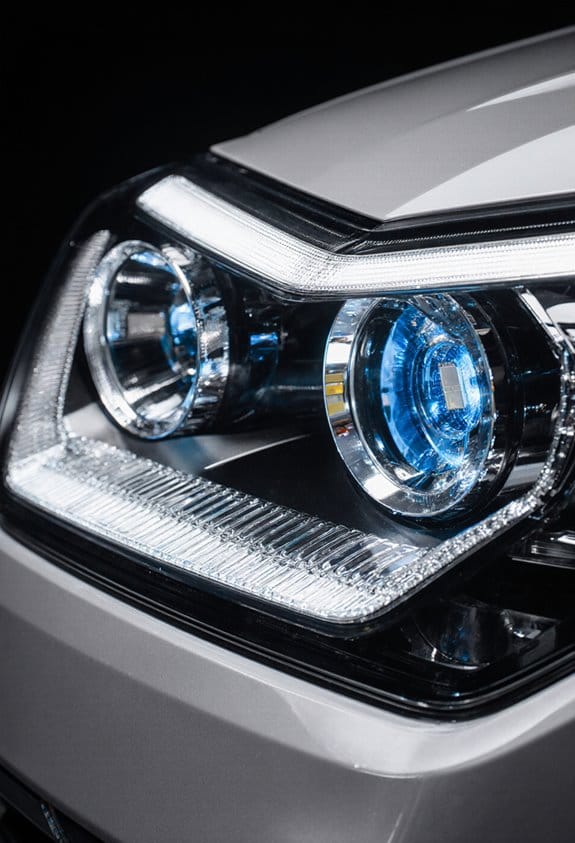
Can you believe how much headlight technology has transformed over the years? It’s pretty wild! Just think back to when halogen bulbs were the standard. They gave off around 1,000 lumens of brightness, which is decent, but we’ve come a long way since then. Nowadays, with LED headlights, we’re seeing brightness levels soar up to 4,000 lumens—about three times brighter! By 2023, it’s estimated that around 75% of new cars have made the switch to these powerful LED lights.
In the last ten years alone, the average brightness of headlights jumped from 9,000 candela to a projected 19,000 cd by 2026. That’s a significant increase! But there’s a catch. While these brighter headlights improve visibility and safety, they can create a lot of glare for oncoming drivers, making those night drives a bit challenging for everyone. It’s that fine line between enhanced safety and driving comfort that we have to navigate. Using polarized lenses in sunglasses can help reduce glare and increase comfort for drivers dealing with these intense lights.
Why Do Brighter Headlights Cause More Glare?

You know, those new LED headlights that are so bright can be a double-edged sword. On one hand, they give us such crisp visibility on the road, but on the other hand, they can cause a significant increase in glare for oncoming drivers. The concentrated beams of light from LEDs really pack a punch, especially because their bluish-white spectrum is easier for our peripheral vision to pick up. This makes it feel like the brightness is even more intense than it really is.
Consider this: by 2026, headlight brightness is projected to exceed a whopping 19,000 candela. That’s a lot of light—just imagine driving toward that! And things can get even more challenging if headlights are misaligned, which is common when people install aftermarket options. When that happens, the light can shine right into another driver’s eyes, making it tougher for them to see.
Wearing sunglasses with UV protection can help reduce the discomfort caused by glare from bright headlights during night driving.
What Are the Safety Implications of Bright Headlights for Drivers?
You know how bright headlights can really light up the road? They definitely help us see better in the dark, but they come with some important safety risks too. That blinding glare can make it hard to see for a moment, increasing the chances of accidents at night. In fact, a surprising 77% of pedestrian fatalities happen after the sun goes down, and experts think those super-bright headlights are playing a part in that rise.
Now, while you might hear that new tech like LED or HD headlights could reduce nighttime crashes by about 19%, there’s still a flip side. A lot of drivers complain that these bright lights are uncomfortable and blinding, which is no small issue. The National Highway Traffic Safety Administration (NHTSA) has received numerous complaints about this, yet existing rules let manufacturers pretty much decide how bright their lights can be. This means we should definitely push for updated rules to keep everyone safer out there.
Just like UV400 Protection in sunglasses shields eyes from harmful rays to improve safety, better regulation of headlight brightness could reduce glare-related dangers on the road.
Recommended Products

Protective case included

100% UV PROTECTION: To protect your eyes from harmful UV rays, these unisex sunglasses include lenses that are coated with 100% UV protection.

Click the Maui Jim link above to visit our brand store, where you can find our entire catalog of sunglasses
How Vehicle Size and Design Affect Headlight Brightness
You know, the size and design of our vehicles really play a huge role in how headlights work and how they affect other drivers. For instance, larger vehicles like SUVs and trucks often angle their headlights in a way that can create more glare for those of us in smaller cars. Have you ever been on the road and felt like you were about to be blinded by those bright LED light bars? It’s becoming more common, and it can definitely be a nuisance.
Another thing to watch out for is when headlights are misaligned, especially if they’re aftermarket ones. That misalignment can lead to even more glare, making it tough for oncoming drivers to see clearly. Plus, with brighter headlights on the market, the distinction between high beams and regular lights is getting blurrier. It’s surprising how much our vehicle’s design can impact safety during nighttime driving!
Using polarized lenses could help reduce glare effects from headlights for drivers, improving night visibility and safety.
Recommended Products

Long-Lasting Luxury eyewear: Premium-quality name with a 2-year warranty. Our mens designer sunglasses have high-end durability & out-of-this-world comfort. Women's sunglasses & eyewear accessories too, a supreme addition for luxury, urban, and streetwear wardrobes

All Maui Jim sunglasses feature PolarizedPlus2 lens technology that go beyond shielding your eyes from glare and harmful UV rays by enhancing colors to reveal the true beauty of the world around you

How LED and HD Headlights Boost Brightness and Visibility
Hey there! Have you ever wondered how LED and HD headlights have improved brightness and visibility for drivers? It’s pretty impressive! LED headlights shine with a bright bluish-white light that can be around 300% brighter than old-school halogen headlights. While halogens typically give off about 1,000 lumens, LEDs can put out between 2,000 to 4,000 lumens, making it way easier to see the road and helping others notice you, especially in the dark.
Now, it’s not just the LED lights that are changing the game—automotive lighting as a whole is getting better. In fact, headlight intensity has doubled over the last 10 years, with projections saying we might hit over 19,000 candela by 2026! Plus, new features like high beam assist will adjust your lights to reduce glare when you’re on those brightly lit streets, making nighttime driving safer for everyone.
It’s wild to think about how much technology has shifted in this area. So, if you’re considering upgrading your headlights, know that not only will you see better, but you’ll also be seen better. Speaking of safety, let’s chat about other ways to enhance your nighttime driving experience! Using anti-glare technology like that found in night vision glasses can further reduce headlight glare and improve your road visibility.
Recommended Products

OSRAM LED riving full LED headlights for VW Golf 7, Chrome edition as xenon replacement.

Fits 15-23 Charger with stock halogen projector headlights, need converter when headlights with stock xenon projector headlights
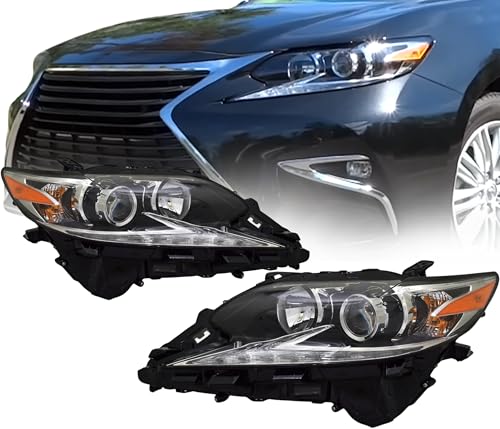
[Compatibility] Headlight Assembly Compatible With 2016 2017 2018 ES300h Sedan with LED Bulb, Halogen High Beam, LED Low Beam Headlights Assembly Headlamp
Risks and Drawbacks of Bright Headlights
Hey! You know how LED headlights can really light up the road? Well, there’s definitely a downside. Those super bright lights can create a serious glare for drivers coming from the opposite direction, making it tough for them to see. It’s not just annoying; it’s a safety hazard. For example, studies show that if headlights aren’t aligned properly, they can make this problem even worse, which can lead to dangerous driving situations for everyone involved.
And when we talk about nighttime risks, it’s pretty shocking—77% of pedestrian fatalities happen in the dark. When headlights are excessively bright, it only adds to the danger. More and more drivers are complaining about this issue, highlighting how uncomfortable and risky those bright lights can be. Plus, when people install aftermarket headlights without aligning them correctly, it can create even more problems with visibility. Using ergonomic side shields on eyewear can help reduce glare and improve safety during nighttime driving.
How Can We Manage Glare From Bright Headlights?
Managing glare from bright headlights can be quite the annoyance when driving at night, but it’s something we can tackle! First off, if your headlights are aimed correctly, it makes a world of difference—especially if you’re using those super-bright LED bulbs that seem to blare right in your eyes. Just a quick visit to the mechanic can get those headlights aligned properly, and you’ll be surprised at how much easier night driving can become with that simple adjustment.
When you find yourself on the road and those glaring beams hit you, a good trick is to look down and to the right. This helps your eyes adjust and keeps your focus on the road ahead. Another little tip? Consider investing in a pair of blue light-blocking glasses; they can help ease the strain on your eyes caused by bright lights. It’s also worth advocating for regulations on headlight brightness in your community—small changes like that can really help everyone enjoy safer nighttime driving. Additionally, using night vision driving glasses with anti-glare technology can significantly reduce the discomfort caused by oncoming headlights.
Recommended Products

SIZING INFORMATION: This frame size is X-Small with a hinge to hinge measurement of 124 mm. Ideal for narrow faces.

FRAME DESIGN & MATERIALS - Round-shape plastic frame in Light Havana with distinctive rivets and Ray-Ban shaped temples. Lightweight build for all-day comfort. Made in Italy.

Every model in the Ray-Ban collection is the product of meticulous, original styling that translates the best of the latest fashion trends into an ever-contemporary look for millions of Ray-Ban wearers around the world.
What Regulations Are Necessary to Improve Headlight Safety?
Hey, have you ever thought about how crucial headlight safety is when we’re driving at night? It’s interesting! The laws we currently have, like the NHTSA’s Rule 108 from 1986, are pretty outdated. They don’t take into account how much brighter headlights are now. For instance, some headlights can be so glaring that they distract other drivers or even blind pedestrians, which endangers everyone on the road.
What we really need is some modern regulations that set clear limits on headlight intensity. This way, manufacturers would have guidelines to follow to ensure their headlights don’t create dangerous glare. One actionable step could be implementing regular checks to ensure headlights meet new, stricter standards.
It’s all about making our roads safer for everyone, right? Next, let’s look at how we can encourage manufacturers to prioritize safety in their design processes. Incorporating polarized lenses in eyewear can help significantly reduce glare from headlights, improving night driving safety.
Frequently Asked Questions
Why Are LED Headlights so Bright Now?
LED headlights are so bright now due to advancements in technology, higher brightness levels compared to halogens, and changes in manufacturing standards. These factors enhance road safety but create noticeable driver perception issues and glare.
What Is the Best Way to Reduce Glare From Oncoming Headlights at Night?
To reduce glare from oncoming headlights, we should maintain our night vision by keeping windshields clean, using anti-reflective eyewear, and ensuring our vehicle’s headlights comply with regulations, enhancing eye comfort and overall driver safety during night driving.
How to Correctly Adjust LED Headlights?
Over 90% of accidents happen at night due to poor visibility. To adjust LED headlights correctly, we must guarantee proper alignment, headlight height, and light intensity through optical alignment checks and aim adjustments during vehicle inspections.
Do Lemon and Baking Soda Really Work on Headlights?
Yes, lemon juice effectiveness and a baking soda mixture can really work for headlight cleaning. We’ve seen great results with these DIY solutions, offering a cost-effective approach to natural cleaners for headlight restoration.