As an Amazon Associate, we earn from qualifying purchases. Some links on this site are affiliate links at no extra cost to you. Our recommendations are based on thorough research and editorial judgment.

Astigmatism and Night Driving: Why Lights Look Smeared or Stretched

If we have astigmatism, nighttime driving can feel like a challenge, especially when lights look smeared or stretched. This happens because the cornea’s irregular shape disrupts how light focuses on the retina. As a result, we might see halos and blurred lights, which can seriously affect visibility. It’s mind-blowing to think that two-thirds of us experience this issue! But don’t worry, there’s plenty we can do to improve our night visibility. Let’s explore some effective solutions!
Key Takeaways
- Astigmatism causes irregularities in the cornea, leading to blurred vision and light distortions at night.
- Scattered light on the retina can make lights appear smeared or stretched during low visibility conditions.
- Enlarged pupils in the dark allow more light but increase glare, worsening nighttime driving challenges for those with astigmatism.
- Halos and starbursts around lights create distracting visual distortions, impacting clarity while driving at night.
- Regular eye exams are essential for managing astigmatism and improving nighttime vision through appropriate corrective measures.
What Is Astigmatism and Why Should You Care?

You may be interested


Hey there! So, let’s chat about astigmatism—it might sound a bit tricky, but it’s really just a type of vision problem that happens when your cornea isn’t shaped quite right. This irregular shape can mess with how light focuses on your retina, which often leads to blurred vision. You know those times when you see halos around lights or struggle to see clearly at night? That’s a classic sign of astigmatism.
Getting it checked out by an eye doctor is super important if you suspect you have astigmatism. They can prescribe the right glasses or contact lenses to help you see better. Trust me, once you have that corrective lens, everyday activities like reading or driving at night will become so much easier! Wearing night driving glasses with anti-glare and polarized lenses can also help improve your clarity and reduce the glare from streetlights and headlights.
How Astigmatism Affects Nighttime Vision
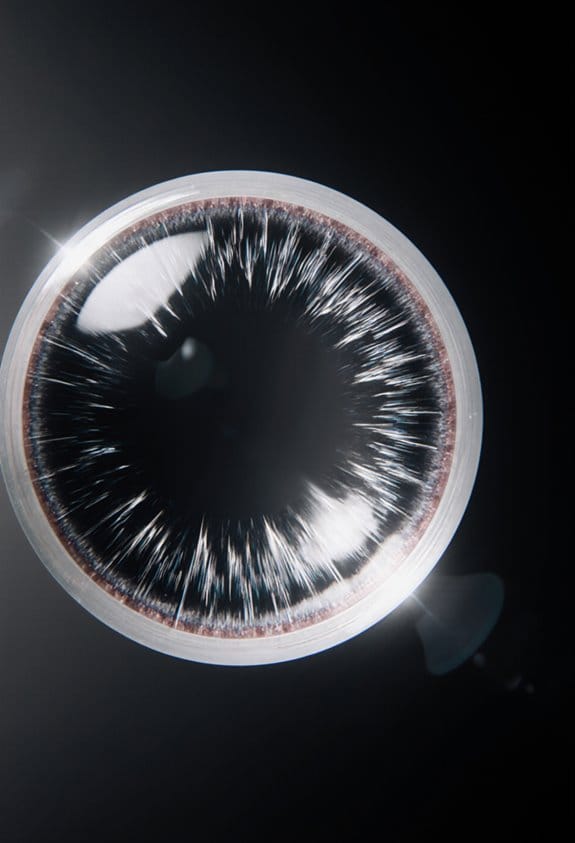
Hey there! Have you ever wondered how astigmatism affects vision, especially at night? It’s pretty fascinating when you dig into the details. Basically, astigmatism happens when the cornea— that clear front part of your eye— isn’t perfectly shaped. This can make lights look fuzzy and blurred instead of sharp and clear, which can be especially frustrating when driving after dark.
When night falls and our surroundings get darker, our pupils open wider to let in more light. This is great for seeing in low light, but with astigmatism, it can also mean more halos and glare around headlights. Imagine driving and seeing those bright lights turn into streaks or starbursts— it can really throw off your depth perception! In fact, about two-thirds of people with astigmatism report that they struggle more with their vision at night.
That’s why regular eye exams are super important. They can help gauge how your astigmatism is affecting your nighttime visibility and what corrective options could work for you. By getting the right glasses or contact lenses, you can really improve your night vision and drive with more confidence. It’s all about keeping those eyes healthy! Using anti-glare polarized lenses can further reduce glare and improve clarity for safer night driving.
Why Do Lights Appear Smeared or Stretched for People With Astigmatism?

Hey there! Have you ever noticed that when you have astigmatism, lights look all stretched or smeared? It’s a pretty common experience. Basically, with astigmatism, light doesn’t just hit one spot on your retina like it should; it scatters to different points. So when you’re driving at night, those streetlights can appear more like blurry halos or funky shapes.
In low-light situations, your pupils open up wider to let in more light. This can make things worse because more light means increased glare and even blurrier vision. For instance, have you ever tried reading street signs while driving at night? That can become quite the challenge! And believe it or not, around 66% of people with astigmatism find night driving difficult because of these visual distortions.
That’s why it’s super important to keep up with regular eye exams. They can help manage your astigmatism and improve your overall vision. After all, driving should feel safe and clear, not like navigating a funhouse! Using anti-fogging coatings on your glasses can also enhance clarity, especially in nighttime or humid conditions.
What Night Driving Problems Do Those With Astigmatism Face?
Have you ever noticed how challenging nighttime driving can be if you have astigmatism? It’s pretty common for folks like us to struggle with blurry vision and deal with annoying glare from oncoming headlights. In fact, around two-thirds of people with astigmatism report significant issues driving at night, thanks to those distracting halos and visual blurriness that make it hard to see clearly.
When it gets dark, our pupils open up wider to let in more light, but for people with astigmatism, this can make everything look even blurrier. Have you ever looked at a bright streetlight and seen those starburst effects radiating from it? It can be really distracting when you’re trying to stay focused on the road. That’s why wearing corrective lenses is super important. They help to sharpen our vision and keep us safer while driving at night. Using night driving glasses with polarized anti-glare lenses can further reduce visual disturbances and improve nighttime visibility.
Why Regular Eye Exams Matter
Hey there! You know, we often take our vision for granted, but regular eye exams are super important—especially if you have astigmatism. These check-ups are like a health report card for your eyes. They help eye care professionals figure out exactly what’s going on with your vision and keep an eye on any changes that could affect your driving. It’s fascinating how much the shape of our cornea and lens plays a role in how clearly we see!
For example, if you notice that your vision is getting blurrier or you’re having trouble seeing at night, those might be signs that it’s time to book an appointment. Plus, the earlier any issues are spotted, the easier they often are to manage. Regular eye exams can make a real difference, ensuring that you’re navigating the roads safely. Using protective eyewear like safety glasses with side shields can also help protect your eyes from hazards that might worsen vision issues.
Effective Strategies for Driving Safely at Night With Astigmatism
Hey there! If you’re wondering how to make night driving safe and comfortable, especially if you have astigmatism, I’ve got some tips for you. First off, wearing prescription glasses with an anti-reflective coating can really help reduce glare from headlights, which means you’re less likely to feel blinded when another car passes by. If you’re more into contact lenses, consider getting toric lenses specifically for astigmatism. They can really improve how clearly you see at night.
Another thing to keep in mind is to keep your eyes comfortable. Using eye drops can help combat dryness that might make your vision worse. Plus, don’t forget about your car’s interior! Keeping the windshield clean and adjusting the dashboard brightness can cut down on distractions that might take your focus off the road. A neat little trick is to make sure you engage the night setting on your rearview mirror; it really helps reduce those annoying reflections from cars behind you. Additionally, wearing glasses with anti-fog coatings can prevent lens fogging and maintain clear vision in humid or cold conditions.
Vision Correction Options for Better Night Driving
If you’ve got astigmatism and you’re planning to drive at night, the right vision correction options really matter. Toric lenses are a great choice because they’re specifically designed for astigmatism and can seriously boost your night vision by cutting down on glare. Imagine being able to see street signs clearly without that annoying halo effect around headlights!
Another good option is to go for prescription glasses with anti-reflective coatings. These coatings can help reduce those distracting reflections that make nighttime driving tricky. And if you’re looking for a more permanent solution, LASIK might be worth considering, but definitely chat with your eye care professional about any potential glare issues first.
Don’t forget about keeping your eyes comfortable, too! If your eyes tend to get dry, using rewetting drops can really help while driving at night. Also, make sure your glasses are spotless and your windshield is clean—little things like this can make a world of difference when you’re out on the road after dark. So, take a moment to check your gear and prepare yourself for clearer driving experiences ahead! Blue light blocking glasses with UV400 protection can also reduce eye strain and glare from digital screens or headlights during evening driving.
How to Reduce Glare From Headlights While Driving
Driving at night can be tricky, especially if you have astigmatism and struggle with glare from headlights. One simple way to tackle that glare is by wearing prescription glasses with an anti-reflective coating. This coating helps to cut down on reflections, making it a lot easier to see. If glasses aren’t your thing, consider toric contact lenses—they’re made specifically for astigmatism and can really help you see clearly in the dark.
Another easy tip? Keep your windshield and mirrors clean. A quick wipe can clear away any smudges or dirt that might make glare worse. Plus, switching your rearview mirror to night mode can really help with those bright lights behind you. And don’t forget to dim your dashboard lights. It might seem like a small thing, but reducing distractions in the cabin can help you concentrate more on the road ahead.
Frequently Asked Questions
Does Astigmatism Make Lights Streaky?
Yes, astigmatism makes lights look streaky. We often notice visual distortions, light sensitivity, and blurred vision at night, affecting driving safety. Corrective lenses can help improve our eye health and enhance overall night vision experiences.
What Do Lights Look Like at Night With Astigmatism?
At night, lights look like artistic blurs—perfect for a modern art gallery. Our astigmatism effects cause visual distortion, color blurriness, and driving challenges. Thankfully, corrective lenses can help minimize eye strain and improve night vision.
Why Does Astigmatism Make Lights Look Weird?
Astigmatism causes light distortion, leading to blurred vision and driving challenges. Nighttime visibility worsens with light sensitivity, making it tough to see clearly. Corrective lenses can help enhance our visual perception and address astigmatism symptoms effectively.
Why Does Astigmatism Make Lights Look Weird at Night Right as Rain?
Astigmatism makes lights look weird at night due to blurry vision and light distortion. We experience visual discomfort and eye strain while driving. Exploring glasses options or contact lenses can improve our night vision and guarantee driving safety.