As an Amazon Associate, we earn from qualifying purchases. Some links on this site are affiliate links at no extra cost to you. Our recommendations are based on thorough research and editorial judgment.

Blue Light at Night While Driving: What Matters and What Doesn’t

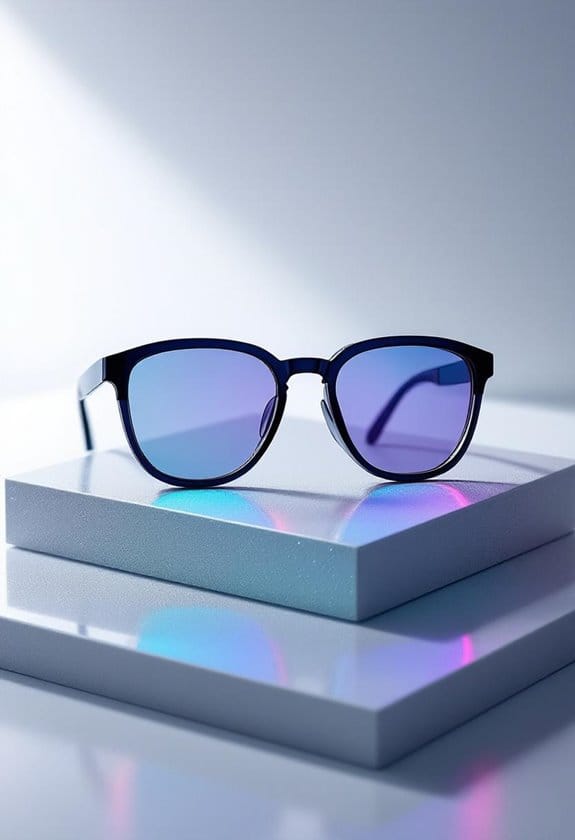
When we drive at night, blue light from headlights, screens, and bright displays can really mess with our vision. It’s mind-blowing! Blue light glasses might help reduce glare, but their effectiveness varies from person to person—plus, they shouldn’t be our only solution. Yellow-tinted lenses can improve contrast, yet their benefits aren’t universally agreed upon, so consult an eye doctor for the best fit. Let’s explore more about how to tackle the glare and keep our night driving safe!
Key Takeaways
- Bright LED headlights and screens emit blue light, causing glare and potential eye strain while driving at night.
- Night driving glasses can reduce blue light exposure and glare, improving comfort for some drivers, but effectiveness varies by individual.
- The American Academy of Ophthalmology advises against using blue light glasses solely for nighttime driving safety; consult an eye doctor for best practices.
- Yellow-tinted lenses may enhance contrast and depth perception, but their effectiveness can differ among drivers; reliability varies.
- Regular vehicle maintenance, including cleaning windows and aligning headlights, plays a critical role in reducing nighttime glare and enhancing safety.
Sources of Blue Light That Affect Night Driving

You may be interested


When we think about night driving, blue light often slips our minds, but it’s actually all around us! One of the biggest culprits is those bright LED headlights on vehicles. They can really throw off our vision, causing glare and discomfort that make it harder to see clearly on the road.
Inside our cars, we’re not off the hook either. Think about your smartphone or GPS screen—those devices still shine blue light even when they’re in night mode. Plus, modern dashboards can be pretty distracting and contribute to eye strain, especially when we’re surrounded by the glaring lights from billboards and shopping centers. If you’ve ever felt your eyes getting fatigued while driving at night, these bright lights might be the cause.
To help combat these issues, there are night driving glasses available that can reduce blue light exposure and minimize glare. This could make a noticeable difference for those of us who struggle with visibility at night. It’s definitely worth considering, especially if you find night driving challenging. Now, let’s look at other ways to improve your night driving experience! Using glasses with polarized lenses can enhance clarity and significantly reduce glare during night driving.
Can Blue Light Glasses Make Night Driving Safer?

Hey there! So, you know how we’re surrounded by all this blue light from screens and headlights at night? It’s got us thinking about whether blue light glasses can actually make night driving safer. These glasses can help cut down on that harsh glare from oncoming headlights, making it a bit easier for your eyes to relax and focus. For some people, wearing these glasses means less eye strain and clearer vision when it’s dark out. But the benefits can really vary from person to person.
Now, here’s an interesting tidbit: the American Academy of Ophthalmology suggests not to rely solely on blue light glasses for your night driving. They’ve pointed out that sometimes wearing these glasses can actually hinder how we process visual information. While some yellow-tinted glasses might offer extra comfort by softening those bright lights, the science behind it isn’t crystal clear. Plus, just a heads up—there have been several cases where manufacturers overhyped their glasses’ ability to protect against UV rays, leading to legal troubles. It’s also important to look for blue light glasses with ANSI Z87.1 certification to ensure reliable protection when using them.
Do Yellow-Tinted Blue Light Glasses Help Night Driving?

Have you ever thought about how yellow-tinted blue light glasses might help when driving at night? These glasses are designed to filter out the harsh blue light from bright headlights, and many drivers say they notice less glare and improved comfort behind the wheel. It’s pretty interesting to hear how some people feel more at ease while navigating dark streets!
However, the science on this is a bit mixed. Some studies suggest that these glasses don’t necessarily enhance our ability to spot pedestrians or significantly lower glare. For example, a study might show that while a few drivers enjoy these glasses, others actually prefer driving without them. Plus, keep in mind that if the tint is too dark, it could actually make it harder to see, which isn’t what anyone wants.
Still, many night driving glasses use yellow-tinted lenses to improve contrast and depth perception in low light, which some users find helpful.
Recommended Products


[Photochromic Lens Adaptation] The advanced photochromic lenses automatically adjust to different lighting conditions, darkening under bright sunlight and clearing up in low light for seamless day-to-night vision

Bold Retro-Glam Design – Provocative vintage-inspired shape that blends glamour and attitude; made for men, women, and unisex fashion.
Tips for Choosing the Right Glasses for Night Driving
Choosing the right glasses for night driving can feel a bit tricky, but I promise it’s simpler than it seems. First off, make sure you grab a pair with clear lenses that can filter out harmful blue light. This is super important because it helps reduce glare from oncoming headlights. Look for glasses that block at least 60% of that blue light and offer UV protection to keep your eyes safe. Trust me, poor-quality glasses can be such a hassle when you’re out on those late-night drives.
It’s a good idea to talk to your eye doctor, especially if you have specific issues with your night vision. For example, some people swear by yellow-tinted lenses because they enhance contrast, but they might not be the best fit for everyone. Prioritizing clarity and quality will really make a difference, making your night drives safer and more comfortable. Additionally, glasses with anti-fog coatings can improve visibility by preventing lens fogging during colder or humid night conditions.
Recommended Products
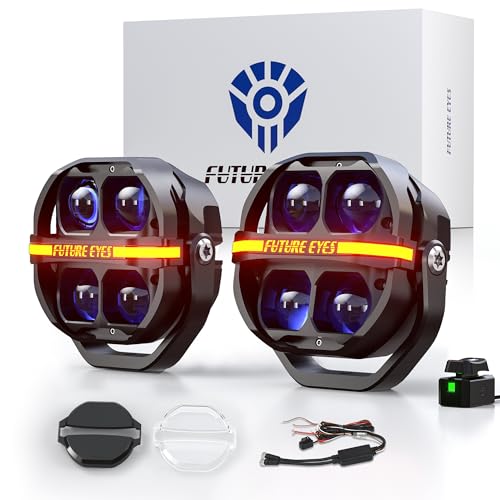
🔧【 Super Bright 180W Dual Color LED Offroad Lighting】High-performance blue-coated optical glass lenses deliver clearer nighttime visibility and durability. Automotive cut-off beam design helps reduce glare for safer driving. Flowing DRL and quad-LED layout provide 180W total output (100W white low beam + 80W amber high beam), ideal for all-weather use as LED fog lights, LED pod lights, spotlight, LED ditch light, driving lights, or auxiliary lights for enhanced on-road and off-road visibility.

Impact-Resistant: safety glasses are made with impact-resistant polycarbonate lenses for enhanced safety and clarity; Impact-resistant lenses are also anti-fog

Strategies for Reducing Glare and Enhancing Safety on the Road
Hey there! So, let’s chat about night driving for a sec. Reducing glare and enhancing safety can really change how we feel on the road, don’t you think? One simple step is to grab a pair of blue light blocking glasses or even yellow-tinted glasses. They can help ease the brightness from oncoming headlights, making it a lot easier to see and more comfortable for your eyes.
Oh, and don’t forget about your car! A quick wipe of the windshield and mirrors can do wonders. If they’re dirty, they can actually make glare worse. Plus, it’s a good idea to check the brightness of your headlights. Some of those new LED lights can be super intense, so ensuring they’re aligned properly can help keep everyone safe.
Taking care of your eyes and your vehicle really pays off in making night driving safer. It’s all about being proactive rather than reactive on the road. Wearing glasses with anti-glare technology can significantly improve visibility and reduce reflections when driving at night. Speaking of safety, let’s look at how adjusting your driving habits can further help with visibility when the sun goes down!
Recommended Products
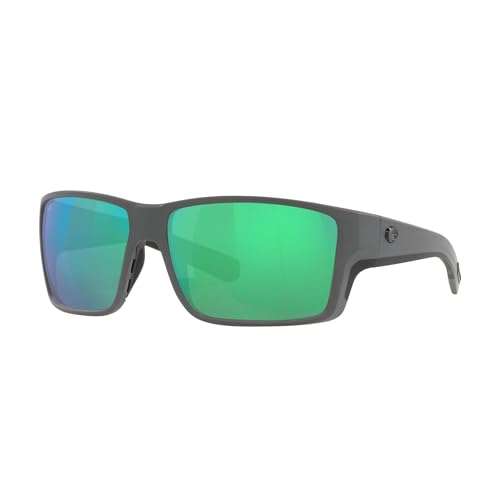
Premium Eye Protection Glasses: Featuring Costa's mens Sunglasses polarized UV protection 580G lenses that filter glare and absorb 100% UV while enhancing clarity and contrast

Premium Eye Protection Glasses: Featuring Costa's mens Sunglasses polarized UV protection 580P lenses that filter glare and absorb 100% UV while enhancing clarity and contrast
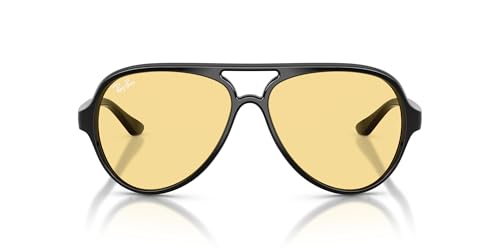
SIZING INFORMATION: This frame size is Medium with a hinge to hinge measurement of 131 mm. Ideal for average faces.
Frequently Asked Questions
Is It Good to Wear Blue Light Glasses at Night While Driving?
We think it’s beneficial to wear blue light glasses at night for driving, enhancing comfort levels and glare reduction. However, user experiences vary, and clear lenses are often recommended for ideal night vision and safety.
What Are the Negatives to Blue Light Glasses?
Like a fog obscuring our path, blue light glasses can mislead us. Their glare reduction might not improve night vision or comfort levels—some lenses impair color perception, affecting driving safety and causing more eye strain than relief.
How Does Blue Light Affect You at Night?
Blue light exposure at night disrupts our circadian rhythm, affecting melatonin production and sleep quality. It can cause eye strain, reduce visual acuity, and complicate color perception, raising safety concerns during nighttime driving.
What Glasses Should Not Be Worn While Driving?
We shouldn’t wear those fashionable eyewear with polarized lenses or overly dark tints while driving. Our night vision deserves better! Let’s ditch the eye strain and glare; safety features matter for driving comfort!