As an Amazon Associate, we earn from qualifying purchases. Some links on this site are affiliate links at no extra cost to you. Our recommendations are based on thorough research and editorial judgment.


Driving Glasses vs Regular Glasses: What’s Actually Different?

Driving glasses and regular glasses serve different purposes. While regular glasses help with everyday sight, driving glasses enhance our vision behind the wheel. They often come with anti-reflective and polarized coatings, which reduce glare from headlights and wet roads, improving clarity. For instance, polarized lenses can cut down on annoying reflections, while photochromic lenses adjust to changing light. It’s pretty mind-blowing how these features can make a real difference on the road. Stick around, and we’ll explore more insights on this topic!
Key Takeaways
- Driving glasses are specialized with anti-reflective and polarized coatings to enhance visibility and reduce glare, especially when driving at night or in bright conditions.
- Regular glasses mainly focus on everyday vision correction without the specific features that aid driving safety and clarity on the road.
- Night driving glasses specifically reduce glare from headlights, distinguishing them from both driving and regular glasses.
- Polarized lenses in driving glasses provide UV protection and minimize reflections from wet surfaces, enhancing depth perception while driving.
- A consultation with an eye doctor is essential to ensure the right prescription and features for optimal driving vision, which regular glasses might not provide.
Understanding Driving Glasses: Features and Benefits

You may be interested


Hey there! Have you ever thought about how driving glasses can really amp up your safety on the road? These glasses are designed specifically to help improve your vision while you’re driving. For example, they often have anti-reflective coatings that cut down on glare from headlights and streetlights, making it easier to focus on the road ahead.
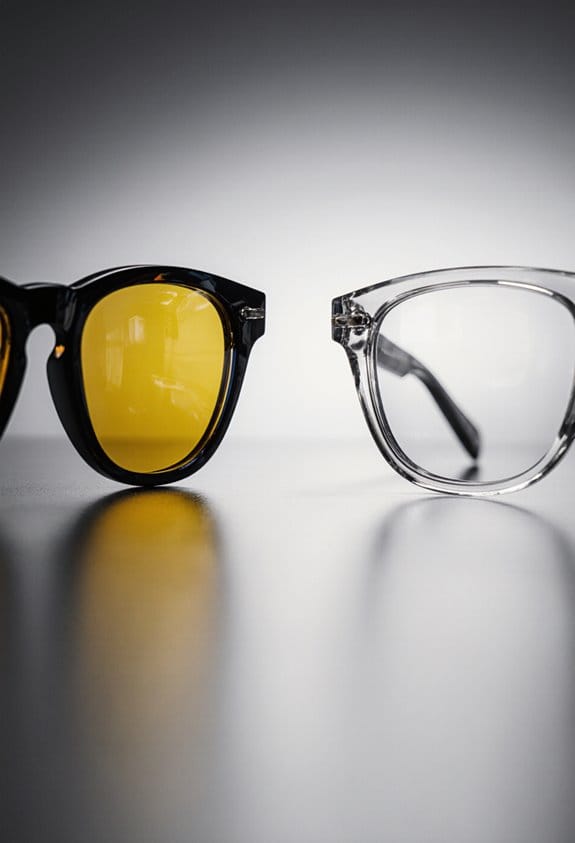
Imagine you’re driving on a rainy day. Polarized driving glasses can really make a difference by reducing the glare from the wet pavement. This not only helps you see the road better but also enhances your depth perception, allowing you to navigate tricky bends or traffic with confidence. On the flip side, if you’re driving in low-light conditions, some glasses with yellow lenses can really boost contrast and clarity. Just keep in mind that those yellow lenses aren’t great for nighttime driving since they can reduce light levels too much. Many night driving glasses also feature polarized lenses to significantly cut down high beam glare, enhancing driving safety.
Recommended Products

Protective case included

100% UV PROTECTION: To protect your eyes from harmful UV rays, these unisex sunglasses include lenses that are coated with 100% UV protection.

Click the Maui Jim link above to visit our brand store, where you can find our entire catalog of sunglasses
Driving Glasses vs. Regular Glasses: Understanding the Differences

Hey there! You know, not all glasses are made for the same purpose; driving glasses and regular glasses have some pretty distinct differences. For starters, driving glasses are specially designed with features like anti-reflective coatings and polarized lenses. This helps cut down on glare and improves how clearly you see the road—super important when you’re behind the wheel.
Regular glasses, on the other hand, mainly focus on correcting vision for everyday use with prescription lenses. They might not provide that extra support you need specifically for driving. For example, if you’re out at night, specialized night driving glasses can really help reduce the blinding glare from headlights, making it easier to see and stay safe. In addition, polarized lenses also provide UV400 protection which safeguards your eyes from harmful UV rays while driving.
Recommended Products

All Maui Jim sunglasses feature PolarizedPlus2 lens technology that go beyond shielding your eyes from glare and harmful UV rays by enhancing colors to reveal the true beauty of the world around you

Redesigned for luxury — Thoughtfully refined and strikingly elegant, the latest Bose sunglasses blend enhanced features and designs for an elevated way to listen

All Maui Jim sunglasses feature PolarizedPlus2 lens technology that go beyond shielding your eyes from glare and harmful UV rays by enhancing colors to reveal the true beauty of the world around you
When to Use Driving vs. Regular Glasses?
Hey there! Let’s chat about when to use driving glasses instead of your regular ones. It can be a bit confusing, especially since safety is super important on the road. For instance, when you’re driving at night, definitely grab your driving glasses. They’re designed to improve your vision and help cut down on glare from headlights and streetlights, which can really make a difference in how well you see.
Now, if you’re ever squinting or noticing that your vision gets blurry while driving, that’s a pretty clear sign you might need prescription driving glasses. These often have special features, like tinted lenses or polarized coatings, that help reduce glare, especially on those sunny days. It’s a good idea to chat with your eye doctor about this; they can help you figure out the best type of glasses for different driving conditions. After all, you want clarity and comfort behind the wheel, right? Wearing sunglasses with polarized lenses can significantly reduce glare and improve visual comfort on bright days.
Recommended Products

Revolutionary open ear audio sunglasses allow you to hear music and surroundings simultaneously during workouts for improved awareness

FRAME FEATURES: PO2747S feature a rectangular, black frame with green polarized lenses.
Best Lens Coatings for Driving Glasses
When it comes to choosing the best lens coatings for your driving glasses, the right options can really change how you feel on the road. First off, anti-reflective coatings are essential. They help cut down on those pesky glares from headlights and streetlights, which can really improve what you see while driving at night. Imagine cruising down a dark street—these coatings make things much clearer!
Next, let’s talk about polarized coatings. If you’ve ever been frustrated by glare from wet roads or shiny surfaces, polarized lenses are your answer. They’re especially useful on bright, sunny days when glare can make it tough to see. Think about driving after a rain, when the road seems extra shiny—that’s where these coatings shine.
For those day-to-night transitions, photochromic lenses are a fantastic option. They automatically darken when you’re outside in sunlight, giving you clear vision no matter the conditions. Also, if you sometimes drive in low light, consider tinted lenses like yellow or amber; they help enhance your vision, though keep in mind they’re not the best for nighttime driving.
Lastly, don’t skip on scratch-resistant coatings! They keep your lenses clear and in good shape, even if you’re rolling down those bumpy roads. Plus, choosing lenses with anti-glare technology can significantly reduce reflections and improve overall driving safety. So, with the right lenses in place, you’ll be set for whatever driving challenge comes your way—whether it’s bright sun or the headlights of oncoming traffic. It’s all about finding what works best for your needs.
Recommended Products
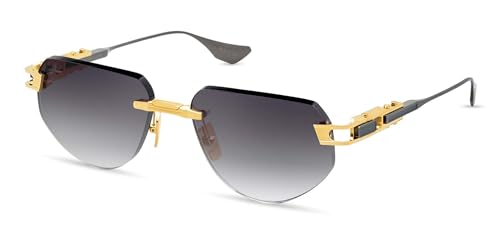
Yellow Gold Black Iron/Dark Grey Shaded

FRAME FEATURES: The folding PO0714 feature an aviator, Havana frame and blue gradient polarized lenses.

Picking the Best Glasses for Your Vision Needs
Choosing the right glasses for our vision needs, especially when it comes to driving, can feel a bit overwhelming, can’t it? When you think about driving glasses, you want to focus on those specifically made to boost your distance vision and minimize glare from headlights. For instance, glasses with an anti-reflective (AR) coating can really help; they reduce glare and let in more light, making everything look clearer.
Have you ever noticed how polarized lenses can drastically reduce reflections from wet roads? They can help you stay focused even in tricky weather conditions. It’s worth considering that regular glasses aren’t always the best option, particularly during twilight or nighttime when visibility isn’t great. That’s why getting a comprehensive eye exam from an optometrist is super important! They’ll help you find the perfect prescription safety glasses tailored for your driving adventures. Additionally, anti-glare lenses improve clarity in low-light conditions, which significantly reduces eye strain and boosts night driving confidence.
Recommended Products

All Maui Jim sunglasses feature PolarizedPlus2 lens technology that go beyond shielding your eyes from glare and harmful UV rays by enhancing colors to reveal the true beauty of the world around you

All Maui Jim sunglasses feature PolarizedPlus2 lens technology that go beyond shielding your eyes from glare and harmful UV rays by enhancing colors to reveal the true beauty of the world around you

Premium Eye Protection Glasses: Featuring Costa's mens Sunglasses polarized UV protection 580G lenses that filter glare and absorb 100% UV while enhancing clarity and contrast
Frequently Asked Questions
Are Driving Glasses the Same as Regular Glasses?
No, driving glasses aren’t the same as regular glasses. They enhance night vision, feature polarized lenses, and offer UV protection. With special lens coatings and tints, they boost color contrast, ensuring driving safety and reducing eye strain.
What Is the Difference Between Driving Lenses and Regular Lenses?
Driving lenses enhance driving visibility with glare reduction and polarized lenses, while ensuring optical clarity. They often include specialized lens tinting and coatings for night driving, prioritizing visual comfort and eye health over typical regular lenses.
Can I Wear Driving Glasses All the Time?
No, we shouldn’t wear driving glasses all the time. While they offer glare reduction and night vision, their lens coatings might cause eye strain in other settings, impacting visual acuity and comfort. Style preference matters too.
Do You Need Different Glasses for Driving?
We do need different glasses for driving. Night vision’s our compass, while polarized lenses cut glare, helping our visual acuity. With the right lens coatings and prescription options, we guarantee safety during day and night driving.