As an Amazon Associate, we earn from qualifying purchases. Some links on this site are affiliate links at no extra cost to you. Our recommendations are based on thorough research and editorial judgment.


Night Driving Glare Explained: What Causes Halos and Starbursts?

When we drive at night, we often see those annoying halos and starbursts around lights. This mind-blowing effect usually comes from common conditions like astigmatism or cataracts, as they scatter light. Plus, larger pupils in low light can make these distortions even worse. If dry eyes disrupt our tear film, that can add to the problem. Staying informed about how our eyes work in the dark is vital—let’s discover more about how to manage these visual quirks!
Key Takeaways
- Halos and starbursts occur due to light scattering in the eyes, particularly from conditions like astigmatism and cataracts.
- Larger pupils in low light increase visibility of visual distortions like halos and starbursts, worsening night driving glare.
- Dry eyes lead to an unstable tear film, contributing to increased light scattering and glare during night driving.
- Aging and conditions like diabetes heighten sensitivity to light, exacerbating glare and visual distortions while driving at night.
- Anti-glare technology in glasses and artificial tears can help manage symptoms and improve night vision clarity.
Why Do I See Halos and Starbursts While Driving at Night?

You may be interested


Have you ever been driving at night and noticed those annoying halos and starbursts around lights? You’re definitely not alone! These visual quirks happen because of how light scatters in our eyes. If you have a refractive error like astigmatism, it can make the light distribution uneven, so those halos and starbursts seem to pop up even more.
Cataracts can also play a role, as they scatter incoming light more than a healthy lens would. And when it gets dark, your pupils open wider to let in more light, which can increase the effect of those halos and starbursts you see around headlights or street lamps. If you’ve ever noticed this when driving at night, you’re likely seeing how your eyes react to low-light conditions.
Sometimes, distortions can come from issues like irregularities in your cornea or a disrupted tear film that leads to dryness and irritation. It’s always a good idea to keep track of any changes you’re experiencing. If the halos and starbursts seem to get worse, it might be time to schedule a visit with an eye care professional. After all, your eye health is important! Using anti-glare polarized lenses can help reduce some of the glare and improve your night vision.
Recommended Products

Long-Lasting Luxury eyewear: Premium-quality name with a 2-year warranty. Our mens designer sunglasses have high-end durability & out-of-this-world comfort. Women's sunglasses & eyewear accessories too, a supreme addition for luxury, urban, and streetwear wardrobes

All Maui Jim sunglasses feature PolarizedPlus2 lens technology that go beyond shielding your eyes from glare and harmful UV rays by enhancing colors to reveal the true beauty of the world around you

All Maui Jim sunglasses feature PolarizedPlus2 lens technology that go beyond shielding your eyes from glare and harmful UV rays by enhancing colors to reveal the true beauty of the world around you
Common Eye Conditions That Cause Nighttime Glare

You know how driving at night can sometimes feel like you’re battling against a wall of glare? It’s really frustrating, and a few common eye conditions can make it worse. For instance, if you have astigmatism, the way your eye distorts light can create those annoying halos and starbursts around headlights. It’s like trying to see through a foggy window!
Then there are cataracts, which can cloud the natural lens in your eye. This scattering of light doesn’t help when you’re driving in low-light conditions—it can amplify that annoying glare, making it feel like those headlights are blinding you. And let’s not forget about corneal irregularities, which can stem from dry eyes or even past surgeries. They can really throw off your vision at night, making it tough to see clearly.
As we age, our pupils naturally get larger, which can increase our sensitivity to light. Plus, if you have diabetes, it can complicate things even further, intensifying the effects of glare. So, keeping our eyes healthy is super important! But what can we do to minimize that nighttime glare? Let’s explore some tips and tricks to help improve our night driving experience. Wearing blue light blocking glasses can also help reduce eye strain caused by glare during night driving.
Recommended Products

ANSI Z87.1+ CERTIFIED IMPACT PROTECTION — Independently tested and compliant with the ANSI Z87.1+ high-impact standard to protect against flying debris, particles, and projectiles on construction sites, manufacturing floors, and industrial worksites. Also compliant with CSA Z94.3 for Canadian jobsites.

Impact-Resistant: safety glasses are made with impact-resistant polycarbonate lenses for enhanced safety and clarity; Impact-resistant lenses are also anti-fog

REFLECTIVE MIRROR FILM – Looking for a quick and hassle-free solution to shield your windows? Introducing our premium one-way reflective mirror films, designed to help you cover your windows to keep out heat from the sun and maintain privacy. This one-way mirrored film contains a reflective surface perfect to be used for your vehicles like cars, boats, or tractors, and is easy to apply onto any windows to achieve professional-looking window tints. It’s incredibly effective and convenient!
How Pupil Size and Tear Film Affect Night Vision
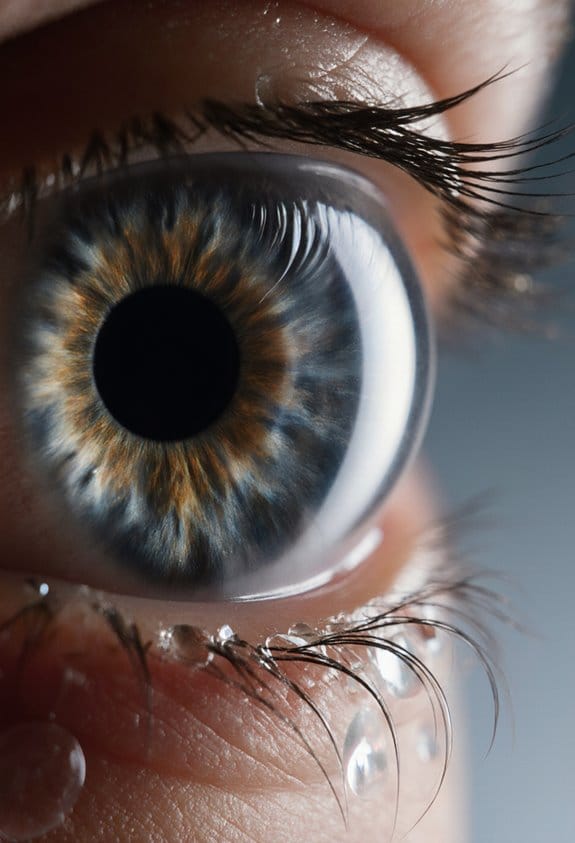
Hey, did you know that pupil size actually has a big impact on our night vision? When it’s dark, our pupils get larger to let in more light, which sounds great at first. But here’s the catch: while more light helps us see better, larger pupils can also create some annoying effects, like glare and halos around bright lights. Have you ever noticed that while driving at night? It’s like those headlights turn into mini fireworks!
Now, let’s talk about the tear film. If your eyes are dry, your tear film becomes unstable, which leads to extra light scattering inside your eye. This can make lights look smeared or even doubled, making nighttime driving tricky. For example, if you have a little astigmatism or early cataracts, larger pupils can make those issues pop, turning them into crazy starburst patterns around lights. Keeping your eyes hydrated with artificial tears can really help smooth things out and improve your comfort when you’re out at night. Using anti-glare technology in driving glasses can also reduce these visual disturbances and enhance your night vision experience.
Critical Eye Care Warning Signs You Shouldn’t Ignore
Hey, have you ever noticed your eyes sending out warning signals? It’s pretty important to pay attention when things like halos around lights or starbursts pop up in your vision. These symptoms can be more than just annoying—especially if they come along with eye pain. They might suggest some serious eye conditions, which we definitely don’t want to ignore!
If you find yourself experiencing vision loss or flashes of light, don’t wait it out. Those could be signs of retinal detachment, which requires urgent medical help. Likewise, if glare starts to bother you more than usual, that could point to an issue worth investigating with an eye doctor.
And let’s talk about floaters for a second. If you see a sudden spike in floaters and notice your vision getting worse, that’s a huge red flag. Our eyes really deserve our attention and care! So, keeping an eye on these signs can help ensure we catch any potential problems early on. Wearing sunglasses with polarized lenses can reduce glare and protect your eyes from harmful UV rays, helping to maintain clear vision during daylight.
Recommended Products

100% UV PROTECTION: To protect your eyes from harmful UV rays, these unisex sunglasses include lenses that are coated with 100% UV protection.

All Maui Jim sunglasses feature PolarizedPlus2 lens technology that go beyond shielding your eyes from glare and harmful UV rays by enhancing colors to reveal the true beauty of the world around you

FRAME FEATURES: The folding PO0714 feature an aviator, Havana frame and blue gradient polarized lenses.
Proven Treatments for Halos and Starbursts
Hey there! I know how annoying halos and starbursts can be, especially when you’re trying to drive at night. They can really get in the way of a clear view. One easy fix is to look into prescription glasses or contact lenses that have anti-reflective coatings. These coatings help cut down on glare, making your nighttime driving experience a lot smoother. If you have an irregular cornea, you might want to consider using specialized lenses, like rigid gas permeable or scleral lenses—they can really help with those halo problems.
Then there’s cataract surgery, which can be a real game changer for folks dealing with cloudy lenses. It can dramatically improve your clarity and reduce those annoying light distortions. And don’t forget about artificial tears! They’re simple but effective in keeping your eyes comfortable and moist, which helps minimize dry eye symptoms that can mess with your vision. Regular eye exams are also key—they help catch issues like astigmatism early on, so your night vision stays sharp.
Wearing glasses with high-quality polycarbonate lenses can also protect your eyes from glare and improve visual comfort during night driving.
Recommended Products

Lens: Mineral Polarized Drivers Gradient


BISON LIFE Full Color Assorted Safety Glasses, Color Lens Color Temple, Case of 144 Pairs, Gray
Tips to Enhance Night Driving Comfort
Hey there! When we hit the road at night, we really want to enhance our comfort and vision for a safer trip. One easy tip is to keep your windshield and mirrors clean; any dirt can create those annoying halos and make glaring headlights even worse, which can really mess with your visibility. Have you ever cleaned your car’s windows at night? You’d be surprised at how much clearer everything looks!
Another handy trick is to adjust the brightness on your dashboard. It’s easier on the eyes, especially if you use the night mode settings. You know those auto-dim mirrors in some cars? They’re super helpful for cutting down the glare from oncoming traffic, so don’t forget to use them! You might also want to take regular breaks along your drive—just a quick stretch or a short walk can do wonders for keeping fatigue at bay.
And if you wear glasses, consider using anti-reflective lenses designed for night driving. They can really improve your vision and comfort on those darker roads. Wearing blue light blocking glasses can also reduce eye strain and help improve visual clarity during night drives. By following these simple tips, you’ll make your night driving experience much more enjoyable and safe. Speaking of safety, let’s chat about how to manage distractions while driving at night!
Recommended Products
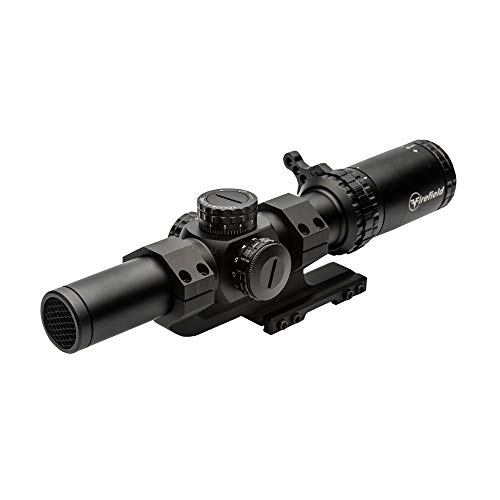
Comprehensive Kit: This kit includes a cantilever mount, throw lever, and honeycomb lens filter, providing shooters with a complete set of accessories to enhance their shooting experience.

SCIENTIFICALLY DESIGNED SLEEP ENHANCEMENT: These specialized Twilight glasses block 98% of sleep-disrupting blue light while allowing beneficial light frequencies to pass through - wear 30-60 minutes before bedtime to naturally trigger melatonin production for deeper, more restorative sleep

Automatic movement with no battery needed – powered by your wrist motion. The skeleton dial reveals the intricate inner mechanics, making every second a visual statement for watch enthusiasts
When to Schedule an Eye Examination for Persistent Symptoms
Hey there! You know, even when we think our vision is perfectly fine, those pesky persistent symptoms like halos or starbursts can signal that something might be off. If you find yourself noticing these visual quirks often, especially when you’re driving at night, it’s probably time to schedule an eye exam. Conditions like cataracts can sneak up on us, especially after we hit 40, so it’s good to be proactive.
For example, if you’ve experienced an increase in glare while driving or your vision seems blurrier than usual, don’t wait too long to get that check-up. Regular eye exams aren’t just about getting the right prescription; they also help spot potential issues before they become serious. This is especially important if you’ve had any eye surgeries in the past—post-operative check-ups can ensure everything is healing well and not affecting your night vision.
Taking the time to care for your eyes is so important, not just for driving safely at night, but for your overall eye health. It’s all about keeping our vision clear and making sure we can enjoy life to the fullest! So, let’s keep an eye on those symptoms and get checked—your eyes will thank you later! Using night driving glasses can also help reduce glare and improve visibility while you arrange for your exam.
Frequently Asked Questions
Why Do I Get Starburst When I Drive at Night?
We often experience starbursts while driving at night due to light scattering from surface imperfections in our eyes, like aging lenses, coupled with eye fatigue and the bright vehicle headlights affecting our nighttime visibility and visual contrast.
What Causes Halos and Starbursts?
Halos and starbursts, which we experience during night driving, stem from refractive errors and lens flare from vehicle headlights. Light pollution can worsen these optical illusions, impacting our night vision and overall eye health.
What Is Glare Vs Halo Vs Starburst?
Glare affects our night vision, causing discomfort. Halos are often myths linked to lens distortion, while starbursts stem from light sensitivity. Understanding these can improve driving visibility and enhance our overall eye health and safety.
How Do You Fix Starburst Vision at Night?
Did you know 80% of drivers experience starburst vision at night? We can fix it using prescription lenses, anti-reflective coating, proper lighting, and regular vision exercises for clearer nighttime vision while driving.