As an Amazon Associate, we earn from qualifying purchases. Some links on this site are affiliate links at no extra cost to you. Our recommendations are based on thorough research and editorial judgment.


Night Driving Myths vs Optics: What’s True and What’s Marketing?

Night driving glasses sound like a game changer, but here’s the scoop: their benefits are often blown out of proportion. While they claim to reduce glare, studies show yellow-tinted lenses may actually reduce necessary light transmission. That’s mind-blowing, right? The truth is, prescription glasses with anti-reflective coatings are much more effective for clear vision. So, let’s explore what actually helps your night driving, and tackle those myths together!
Key Takeaways
- Night driving glasses claim to reduce glare and improve vision, but studies reveal limited scientific support for these benefits.
- Yellow-tinted lenses may impair visibility by limiting necessary light, contrary to the belief that they enhance night vision.
- The Federal Trade Commission has raised concerns about misleading marketing claims regarding the effectiveness of night driving glasses.
- Prescription glasses with anti-reflective coatings outperform night driving glasses in glare reduction and overall clarity.
- Psychological factors, like the placebo effect, contribute significantly to the perceived benefits of night driving glasses among users.
What Are Night Driving Glasses?
You may be interested


Have you ever tried wearing yellow-tinted night driving glasses? They’re designed to reduce glare from those blinding headlights we all encounter on night drives. The idea is that by filtering out the blue light, these glasses help improve our night vision. But here’s the catch—there isn’t much scientific backing to support that claim.
In fact, some studies suggest that those amber-tinted lenses might actually dim the light we need to see clearly. So, instead of relying on night driving glasses, it might be better to opt for prescription lenses with anti-reflective coatings. These can significantly reduce glare while still letting in plenty of light, ensuring you have a clearer view of the road ahead. It’s like having a built-in safeguard for your night vision.
Additionally, polarized lenses offer enhanced contrast and reduce glare effectively, which can be particularly helpful for night driving.
As we become more aware of what helps us see better at night, it’s essential to recognize what truly works. Knowing the difference between night driving glasses and proper prescription lenses can make a big difference in your nighttime safety. Let’s continue exploring how to enhance our visibility while driving.
How Effective Are Night Driving Glasses at Reducing Glare?
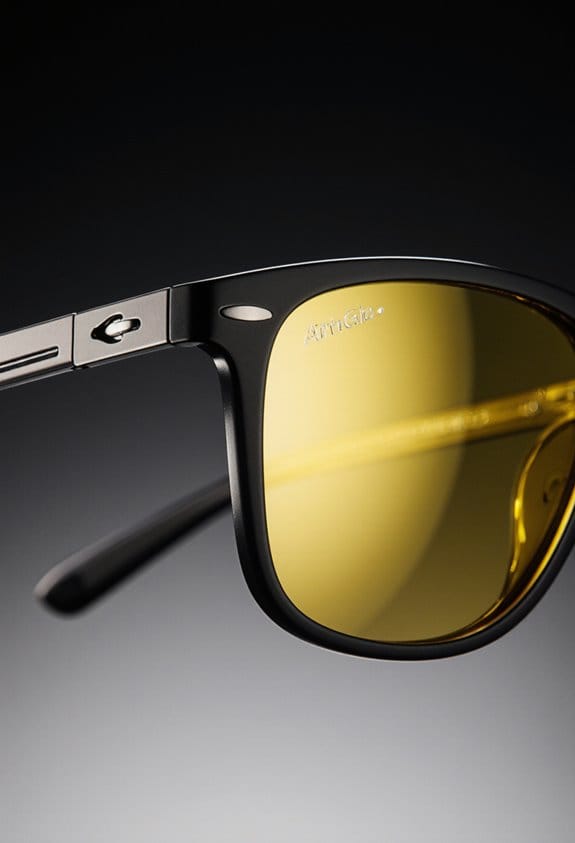
Hey there! You know those night driving glasses everyone swears by for reducing glare? Well, it turns out they might not be as effective as we think. While they promise to help, studies from Harvard’s Schepens Eye Research Institute show that those yellow-tinted lenses can actually limit the amount of light you see, which can make things harder to spot on the road.
In fact, participants wearing these glasses didn’t notice hazards any quicker or detect pedestrians better than those without them. It’s almost like a placebo effect—lots of users feel their vision improves, but the science doesn’t actually back that up. If you’re looking for something that really helps, consider using clear corrective lenses with anti-reflective coatings instead. They can cut down on glare effectively and maintain good visibility.
However, it’s important to note that anti-glare technology is designed to reduce reflections and can improve visual comfort during night driving, even if it may not dramatically improve hazard detection.
Recommended Products

4IN1 VISION ENHANCEMENT EYEWEAR: Revolutionary 4 in 1 magnetic eyewear system with four innovative lens technologies for 24/7 vision support in a single, stylish platform.

The Wiley X XL-1 ADVANCED features a removable Facial Cavity Seal that protects against dust and dirt. Meets MIL-PRF-32432 ballistic safety standards and offers changeable lenses.

Comes with Smoke Gray and Clear interchangeable lenses
The Truth About Yellow Tinted Lenses for Night Driving
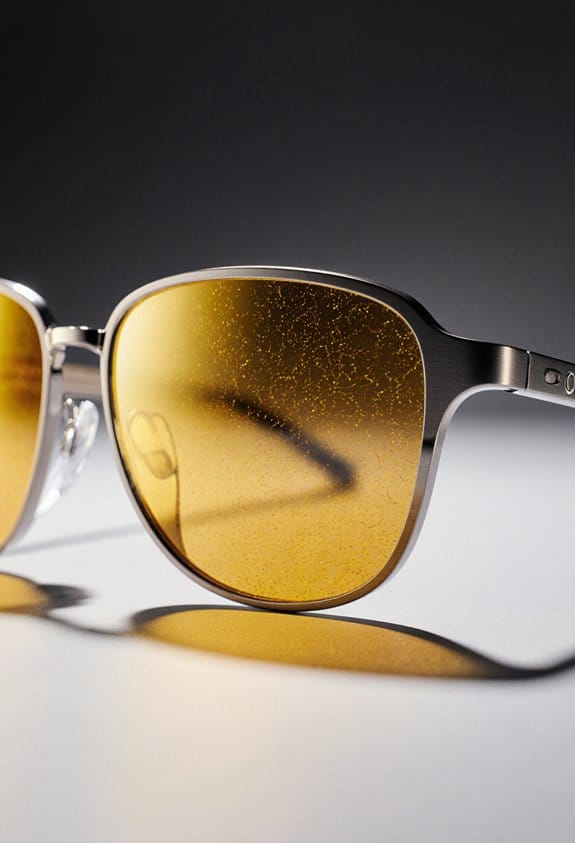
Have you ever stopped to think about why yellow-tinted lenses are all the rage for night driving? People often swear by them for reducing glare and boosting contrast, but here’s the kicker: they actually reduce light transmission. This means you might see less in low-light conditions, which is definitely not what you want when you’re driving at night!
A study from Harvard’s Schepens Eye Research Institute found that yellow lenses didn’t really help much with glare compared to clear lenses. It’s interesting because many folks believe yellow lenses improve their night vision, but it could just be a placebo effect—kind of like feeling more confident because you’re wearing special glasses. The filtering of blue light might give a false sense of security, potentially leading us to think we’re better drivers than we really are.
Despite this, some models with polarized lenses do effectively reduce glare from headlights, offering genuine benefits in certain night driving conditions.
Recommended Products
Yellow Gold Black Iron/Dark Grey Shaded

FRAME FEATURES: PO0714SM Steve McQueen sunglasses feature an aviator, opal yellow frame with polarized green lenses.

DESIGNED TO GIVE YOU AN EDGE ON AND OFF THE FIELD — Wearable technology that allows you to capture photos and video recording, play music, and get answers with Meta AI, right from your smart AI glasses. Choose from a wide range of high-performance lenses designed to match your style for men and women, including Prizm, Prizm Polarized, Clear and Transitions.
Research Findings: Are Night Driving Glasses Beneficial?
Hey there! So, have you ever wondered if those night driving glasses are actually worth it? Well, recent research from Harvard’s Schepens Eye Research Institute suggests they may not be as beneficial as many people believe. While these glasses are marketed to reduce glare, they often end up cutting down on overall light transmission—definitely not what you want when you’re navigating the roads at night!
It’s kind of surprising, right? The Federal Trade Commission has even raised concerns about the safety claims surrounding them, indicating there’s not enough scientific evidence backing those claims. You might feel like those yellow-tinted lenses help improve your vision, but that improvement could just be in your head—thanks to the placebo effect.
Now, if you look at the difference between night driving glasses and prescription lenses with anti-reflective coatings, it becomes clear which option is better for your eyes and visibility in low-light conditions. Prescription lenses not only help reduce glare effectively but also provide clearer vision overall. So next time you think about reaching for those night driving glasses, it might be worth considering a better option for your safety on the road!
For enhanced comfort and performance during night driving, many experts recommend lightweight glasses with anti-glare lenses to reduce reflections and eye strain.
Why Prescription Glasses Are a Superior Choice for Night Driving
Hey! So you might be tempted to pick up one of those generic night driving glasses from the store, but honestly, they just can’t hold a candle to prescription glasses made specifically for your vision. Think about it: prescription lenses are designed just for you, so they give you the clarity you need when you’re navigating those dimly lit roads.
For instance, prescription glasses often come with anti-reflective (AR) coatings that significantly reduce glare from headlights and streetlights. This means you can see the details on the road much better, allowing you to spot pedestrians or road signs that may be hard to see otherwise. Plus, every time you invest in a good pair of prescription glasses, you’re not just improving your vision; you’re also looking out for your own safety.
In short, wearing custom prescription lenses is way more effective and comfortable than relying on those questionable night driving glasses. It’s all about having that clear vision when you need it most, right? And speaking of vision, let’s explore how regular eye check-ups can help keep your prescription up to date and your eyes healthy. Many advanced models also feature anti-glare polarized lenses that enhance clarity and reduce blinding glare for nighttime driving.
How Anti-Reflective Coatings Help You See Better at Night
Hey there! So, you know how challenging night driving can be? That’s where anti-reflective (AR) coatings on glasses really shine. These handy coatings help cut down glare from oncoming headlights and street lamps, allowing almost all the visible light to reach your eyes. With AR coatings on your night driving glasses, you can spot potential hazards much easier, even in dim conditions.
Imagine this: you’re driving at night, and a car approaches with its high beams on. If you’re wearing regular glasses, the glare can be blinding, making it hard to see what’s ahead. But with AR-coated lenses, that glare is significantly reduced, giving you clearer visibility. Plus, these coatings help diminish eye strain by eliminating distracting reflections. Unlike those yellow-tinted lenses that can muddy colors, AR coatings keep everything looking natural. For the best performance, consider glasses with anti-fog coatings to maintain clarity in all weather conditions.
Alternatives to Night Driving Glasses for Safer Driving
When it comes to safer night driving, you might think night driving glasses are your only option, but there are actually some pretty cool alternatives out there. For instance, try using prescription glasses with clear lenses and an anti-reflective (AR) coating. These lenses can really help with your night vision by letting in more light and cutting down on glare compared to those yellow-tinted glasses that can sometimes muddle things up.
Another simple tip is to keep your car’s headlights clean and properly aligned—this can make a huge difference in how well you see the road. And don’t skip those regular eye exams! If you catch any vision problems early, you can address them and improve your night driving experience. Plus, adjusting your rearview mirror can help you manage glare from cars behind you, and maintaining a good distance from other vehicles can help too. Additionally, consider wearing eyewear with polarized lenses, as they effectively reduce glare and enhance visibility during night driving.
Recommended Products

REFLECTIVE MIRROR FILM – Looking for a quick and hassle-free solution to shield your windows? Introducing our premium one-way reflective mirror films, designed to help you cover your windows to keep out heat from the sun and maintain privacy. This one-way mirrored film contains a reflective surface perfect to be used for your vehicles like cars, boats, or tractors, and is easy to apply onto any windows to achieve professional-looking window tints. It’s incredibly effective and convenient!

Lens: Mineral Polarized Drivers Gradient

Common Misconceptions About Night Driving Glasses
Hey, have you ever wondered if those night driving glasses really make a difference? A lot of people think they’re the ultimate fix for safer nighttime driving. You know, those yellow or amber-tinted lenses that promise to cut down glare? Well, studies, including some from Harvard, tell a different story. Instead of clearing up our vision, those tints can actually reduce the amount of light we get, which can make our night vision worse.
It’s interesting to think about how some of us might feel a little more confident while wearing them, thanks to the placebo effect. We might believe we’re seeing better, but in reality, we’re not achieving that clarity. If you really want to improve your night vision, a good pair of regular prescription glasses with anti-reflective coatings is a much wiser choice. They actually help reduce glare from oncoming headlights without blocking light. Additionally, many night driving glasses feature polarized anti-glare designs that can enhance visibility by reducing blinding glare in low-light conditions.
How to Maintain Night Vision for Safer Driving
Hey there! Let’s chat about keeping our night vision sharp for safer driving. You know how important it is to see clearly when you’re on the road, especially at night, right? One of the first steps is to get regular checkups with your eye doctor. This way, you can catch any potential problems early on—like cataracts—which can really mess with your night vision.
Also, staying hydrated is super important for your eyes. When you drink plenty of water, it helps keep your eyes moist, making it easier to see in those low-light conditions. Have you ever noticed how dry eyes can make it challenging to focus? That’s why sipping on water throughout your day can really make a difference.
Next, let’s talk about your car. Keeping your headlights clean and properly aligned is crucial. Dirty or misaligned headlights can create glare from oncoming traffic, making it harder to see. Plus, adjusting your car’s interior lights to a lower level can help reduce distractions—this glow can interfere with how your eyes adjust to the darkness outside.
Lastly, practicing safe driving habits is key. If you’re feeling tired, take a break! A quick stretch or even a short power nap can help you feel more alert and ready to tackle the road. Remember, it’s not just about being safer; nighttime driving can be surprisingly enjoyable when you can see everything clearly.
To further enhance vision and comfort, consider using sunglasses with anti-slip straps that keep your eyewear secure during all conditions.
Speaking of enjoyment, have you ever thought about how different driving styles feel at night compared to during the day?
Tips for Driving Safely at Night Without Special Eyewear
Driving at night can be a real challenge if we’re not careful, but with some simple steps, we can keep it safe and enjoyable. First things first: make sure your windshield is squeaky clean on both the inside and outside. You’d be surprised how much of a difference it makes! Smudges can really mess with your visibility, so grab that cloth and give it a good wipe down.
Next, let’s talk about those headlights. Regular maintenance is key; they should be bright enough to see the road clearly but also properly aligned so they don’t blind other drivers. Imagine driving down a dark road and suddenly being dazzled by a car coming at you—no fun, right? If your headlights are too high, that’s exactly what could happen.
Adjusting your rearview mirror to the night setting is another simple trick. It helps cut down on the glare from cars behind you. And don’t forget about keeping a safe distance from the vehicle in front of you and using your high beams wisely when there’s no oncoming traffic! That way, you can spot any hazards well in advance.
Finally, make it a habit to schedule routine eye exams. Even if you think your vision is sharp, a check-up can catch any hidden issues before they become a problem. All these little tips can really boost your confidence and safety when driving at night! Speaking of safety, let’s explore what to do if you ever find yourself facing unexpected conditions on the road. Using polarized lenses during the day can significantly reduce glare and eye strain, helping maintain optimal vision when transitioning to nighttime driving.
Frequently Asked Questions
Do Nighttime Driving Glasses Actually Work?
Nighttime driving glasses don’t really work as intended for us. Their lens coatings may reduce glare, but they can also distort colors. For better comfort and night vision, we should stick to clear, anti-reflective lenses.
Do Night Driving Glasses Work for Seniors?
Night driving glasses don’t really work for seniors. While they claim to offer glare reduction and comfort, lens color often hampers visibility. We should explore prescription options to enhance night vision and guarantee driving safety instead.
What Are the Downsides of Night Driving Glasses?
Night driving glasses can cause glare reduction and color distortion, compromising vision clarity in various lighting conditions. User reviews reveal concerns over comfort levels and limited style options, plus prescription compatibility issues can further hinder their effectiveness.
What Are the Most Effective Night Driving Glasses?
If we’re channeling our inner knights, the most effective night driving glasses should feature anti-reflective coatings for glare reduction, ideal lens tinting for color contrast, and UV protection to enhance optical clarity, especially in foggy conditions.