As an Amazon Associate, we earn from qualifying purchases. Some links on this site are affiliate links at no extra cost to you. Our recommendations are based on thorough research and editorial judgment.

Polarized Lenses for Driving: When They Help—and When They Hurt

Polarized lenses can be a game changer for driving by reducing glare from reflective surfaces and improving clarity. They block 100% of UVA and UVB rays, which is essential for eye health. However, they might not work for everyone, especially when it comes to reading digital screens like GPS or dashboard displays. Sometimes, non-polarized lenses can be a better choice. Let’s explore the ins and outs of choosing the right lenses for your driving needs!
Key Takeaways
- Polarized lenses significantly reduce glare from reflective surfaces, enhancing visibility and driving safety in bright conditions.
- They improve clarity for spotting lane markings and brake lights, making driving more comfortable during long trips.
- However, polarized lenses can impair visibility of dashboard displays, GPS, and phone screens, potentially distracting the driver.
- Non-polarized lenses may be preferable for drivers who frequently rely on digital screens while minimizing glare.
- Always ensure sunglasses provide 100% UV protection, regardless of being polarized or not, for optimal eye safety.
How Polarized Lenses Improve Driving Visibility
You may be interested


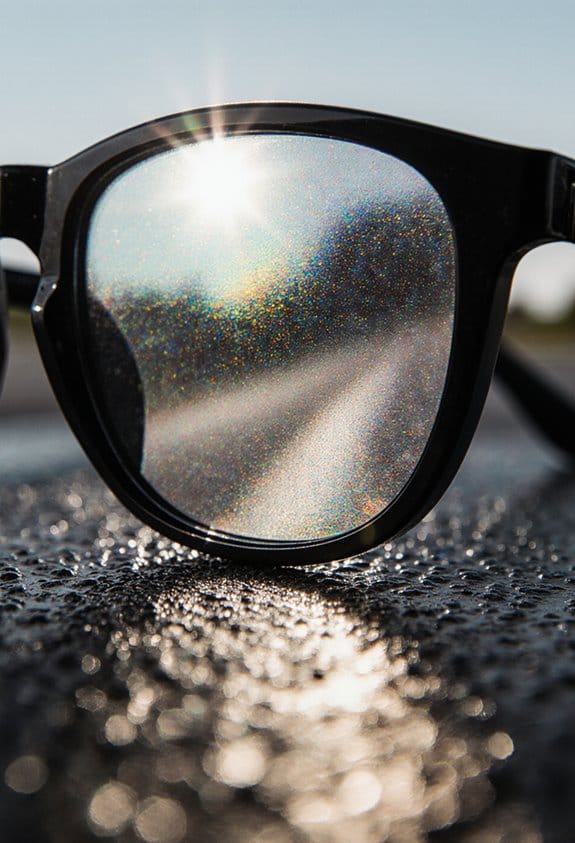
Hey there! If we’re chatting about driving safety, you’ve got to hear about how polarized lenses can really make a difference. These lenses are fantastic at cutting down glare, which is super helpful when the road is wet or when sunlight reflects off other cars. By blocking out those horizontal light waves, they make it way easier to spot lane markings and brake lights. That clarity not only helps you see better, but it also reduces eye strain—you know how it gets during those long drives in the bright sun!
And don’t forget about UV protection—it’s built right into many polarized lenses! But here’s the catch: when you’re using screens, like your GPS or dashboard, polarized lenses can sometimes make things hard to read. For instance, if you’re trying to glance at directions while driving, you might find the display dim or distorted. It’s a bit of a balancing act, isn’t it? Still, the benefits of clear vision on the road far outweigh those minor inconveniences. So, when you’re gearing up for your next drive, consider how polarized lenses might enhance your experience! Additionally, many polarized sunglasses feature UV400 protection to safeguard your eyes from harmful rays during prolonged outdoor exposure.
Key Features to Look for in Driving Sunglasses

When it comes to picking the right driving sunglasses, you’ll want to focus on a few key features that can really make a difference on the road. For starters, polarized lenses are fantastic for cutting down glare, especially from shiny surfaces like wet roads or car hoods. Have you ever squinted against the sun while driving? That’s the glare talking! Plus, make sure your shades have full UV protection to block out 100% of those harmful UVA and UVB rays, which is crucial for long trips.
Now, let’s talk about lens color, which plays a big role in how you see the road. Gray lenses are awesome for keeping colors true when it’s bright out, so you won’t have any surprises with traffic signals or road signs. On the other hand, if you often find yourself driving in lower light conditions, consider brown lenses; they really help to enhance contrast, making everything easier to see. And don’t forget about choosing durable materials! Polycarbonate lenses are lightweight and tough—perfect for everyday use.
Lastly, think about an anti-reflective coating. This feature is super helpful because it minimizes distractions from glare coming off things behind you, like headlights or streetlights. All these considerations combine to boost your visual comfort and help reduce eye strain, making your time on the road safer and more enjoyable. Ready to hit the road with the perfect pair of shades? Also, aim for sunglasses that weigh under 3 ounces to ensure comfort during extended wear.
When Polarized Lenses Might Not Work for You

Hey there! So, let’s talk about polarized lenses. They’re great for cutting down glare, but believe it or not, they might not be the best fit for every driver out there. For example, if you’re someone who relies on the dashboard displays in your car, these lenses can make those screens tough to read. Can you imagine straining to see your speedometer or navigation system while driving? Not exactly ideal for staying safe on the road!
There’s also the color distortion factor to consider. Sometimes, polarized lenses can mess with your perception of colors. This can make it tricky to spot traffic lights or read road signs, especially when the light changes or on overcast days. If you frequently use a GPS or rely on your phone for directions, the screen might also appear off, which can be frustrating during your drive.
That said, some people actually prefer non-polarized lenses, especially if glare isn’t a big deal where they usually drive. Before splurging on those polarized shades, it’s worth thinking about how you drive and whether those potential issues could arise for you. Also, choosing sunglasses that provide proper UV protection is essential regardless of polarization. Now that we’ve covered that, let’s dig into the best scenarios where polarized lenses really shine!
Polarized vs. Non-Polarized: Which Is Better?
Hey there! So, you’re curious about polarized lenses versus non-polarized ones, right? Well, polarized lenses really shine when it comes to cutting down on glare from things like water, snow, or even shiny roads. This makes them fantastic for driving, especially on sunny days when reflections can be distracting. You’ll notice how much clearer everything looks, and that can help ease eye strain during those long trips.
On the flip side, non-polarized lenses do offer some sun protection but aren’t great at blocking that annoying glare. Think about it this way: if you’ve ever struggled to see your dashboard because of reflections, you know how much of a difference polarized lenses can make. Just a heads up, though—because they filter out certain types of light, they can make it tricky to see digital screens clearly, like on GPS devices.
In the end, it really boils down to your personal needs when you’re out on the road. Whether you prioritize glare reduction or need something more versatile, knowing your habits can help you pick the right option. Speaking of versatility, let’s chat about some other factors to consider when selecting eyewear for driving! For example, many high-quality sunglasses also provide UV400 protection to safeguard your eyes from harmful rays while improving visual comfort.
How to Choose the Right Polarized Sunglasses for Driving?
Finding the right polarized sunglasses for driving might feel overwhelming with so many choices out there, but I’ve got your back! First things first, you want to make sure your sunglasses block 100% of UVA and UVB rays. That’s essential for protecting your eyes from those harmful rays during long drives.
Next, think about the tint of the lenses. If you’re driving on sunny days, gray polarized lenses are fantastic because they help reduce glare while keeping the colors true to life. On the other hand, if you often find yourself driving during dawn or dusk, brown polarized lenses can improve contrast and visibility, which is super helpful when the light is tricky.
When it comes to comfort, don’t overlook the material of the lenses. Lightweight lenses can make all the difference, especially on long road trips. Bigger lenses also help block out peripheral light, so you can focus on the road ahead without distractions. Plus, sturdy temples will ensure that your shades stay secure on your face.
Additionally, look for features like impact-resistant lenses to ensure durability and long-lasting use on the road.
With the right pair of polarized sunglasses for driving, you can enjoy a clear view while staying stylish and safe on the road. Now that you know what to look for, let’s chat about how to properly care for your sunglasses to keep them in top shape!
Frequently Asked Questions
Do Polarized Lenses Help With Driving?
Yes, polarized lenses enhance driving safety by reducing glare, improving vision clarity in bright light conditions. However, we should be cautious of color distortion and frame styles. Quality matters to minimize eye strain and adapt to weather effects.
Why Do My Eyes Hurt When I Wear Polarized Sunglasses?
Wearing polarized sunglasses can lead to discomfort and eye strain, especially if the lens quality or fit isn’t right. While they reduce glare and offer UV protection, they might affect our color perception and vision clarity.
Which Polarized Lens Color Is Best for Driving?
For driving safety, gray polarized lens colors offer sunlight glare reduction and excellent lens clarity. Brown lenses enhance color contrast, useful in low-light conditions. We should prioritize fit, frame comfort, and UV protection features for superior performance.
What Glasses Help You See Better While Driving at Night?
As stars twinkle in the night sky, we can enhance night driving visibility with prescription night glasses featuring anti-reflective coatings. Utilizing glare reduction techniques and adaptive lens technology guarantees we stay safe on the road.