As an Amazon Associate, we earn from qualifying purchases. Some links on this site are affiliate links at no extra cost to you. Our recommendations are based on thorough research and editorial judgment.


Anti‑Reflective (AR) Coating Explained: Benefits and Failure Signs

Anti-Reflective (AR) coatings are fascinating—they allow nearly 99% of light to pass through, vastly improving visual clarity. By reducing glare, they make long hours in front of screens or driving at night much more comfortable. However, it’s essential to watch for signs of deterioration, like increased glare or difficulty cleaning smudges. If you spot peeling or ghost images, it’s time to think about a replacement. Stick around, and we’ll share tips on care and choosing the right coating!
Key Takeaways
- Anti-Reflective coatings enhance visual clarity by allowing nearly 99% light transmission and minimizing reflections on lenses.
- They reduce glare, which helps alleviate eye fatigue during prolonged screen usage and bright environments.
- Signs of deterioration include increased glare, difficulty cleaning, lens peeling, or the presence of ghost images at night.
- Care for AR-coated lenses by using mild soap, microfiber cloths, and avoiding harsh chemicals to maintain coating integrity.
- AR coatings are beneficial for various optical devices, especially high-index lenses, improving visibility in low-light conditions and reducing reflections.
What Is Anti-Reflective Coating and How Does It Work?
You may be interested

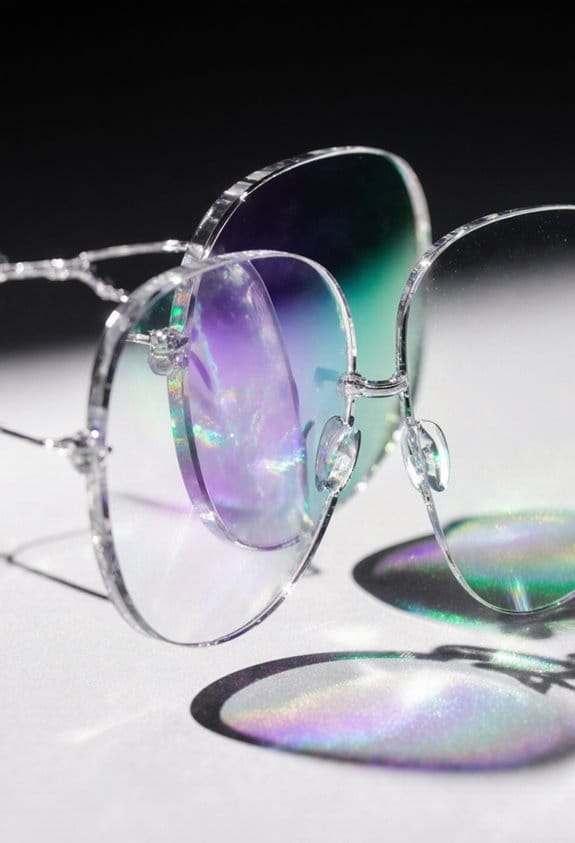
Have you ever thought about how amazing it would be to wear glasses that help you see everything more clearly? That’s what anti-reflective coating is all about! It’s a special layer added to lenses that cuts down on reflections and boosts your visual clarity, letting more than 99% of light through compared to regular lenses, which can reflect back about 8-10% of light.
So how does it work? The coating consists of thin layers of metal oxides that are designed specifically to cancel out reflected light waves. This means less glare when you’re driving at night or working on your computer. For example, if you wear high-index lenses, which are a bit denser and often more reflective, adding an anti-reflective coating can really enhance how sharp and clear your vision is.
And it doesn’t stop there! You can also find options that add scratch resistance or make your lenses easier to clean, so they stay looking great for longer. It’s like putting on a fresh pair of windows for your eyes, letting you see the world more clearly. Speaking of clarity, let’s explore how these coatings can impact your daily life!
Blue light glasses with anti-reflective properties further enhance visual comfort by reducing glare and eye strain during prolonged screen use.
Recommended Products

100" Outdoor TV Enclosure Superior protection for 98-100” TVs: Experience the difference with our deluxe outdoor TV enclosures—crafted from powder-coated aluminum for superior durability and style. Featuring anti-glare safety glass, thermostatically controlled airflow, sound ports, and UL/CSA certification, our tv enclosure deliver premium protection and performance, setting a new standard above low-cost alternatives.

Timeless Bauhaus Aesthetic: Designed in tribute to Bauhaus scholar Max Bill, this chronograph blends minimalism with modern functionality for a look that endures.

Fully multi-coated lenses: increase light transmission with multiple anti-reflective coatings on all air-to-glass surfaces
Key Benefits of Anti-Reflective Coatings for Eyeglasses

So, have you ever wondered about the benefits of anti-reflective coatings for your eyeglasses? These coatings are pretty impressive because they can boost light transmission to nearly 99%! This means you get clearer vision and less glare, which is especially helpful when you’re staring at screens for long hours. It really can reduce that annoying eye fatigue we often experience.
Another great perk is that they make your lenses almost invisible, which is perfect for eye contact during conversations—whether in-person or on video calls. No one wants to look like they’re wearing glasses when they’re trying to connect with someone! Plus, they provide UV protection for your eyes and help keep your lenses looking new by resisting scratches, dirt, and oils.
It’s amazing to think that such a thin layer can really transform your visual experience. If you’re considering a new pair, it’s definitely worth looking into anti-reflective coatings before making a purchase! Now, let’s chat about which types of lenses might work best for your lifestyle. Additionally, polarized lenses used alongside anti-reflective coatings can significantly reduce glare from bright headlights and screens, enhancing clarity further.
Recommended Products

The Viper HD 20-60x85 Angled spotter is packed with features for incredible glassing and high end optical performance. A multi-position eyecup provides proper eye relief while a locking collar allows the scope to rotate into different viewing positions.
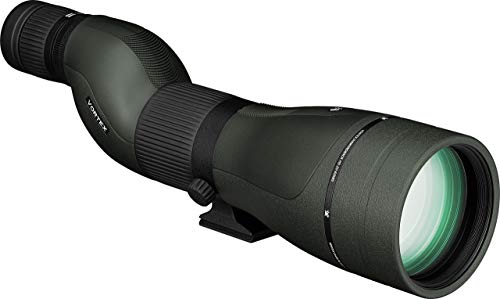
The redesigned Diamondback HD spotting scope has all the optical horsepower the western hunter needs, and excels in low light. It features a streamlined exterior for a sleeker profile and a built-in helical focus wheel for fast and fine adjustments.

SUPERIOR CLARITY - Experience unmatched image quality with the Tele Vue Delos 8mm eyepiece, featuring advanced lens coatings for optimal light transmission and minimal distortion.
Signs Your AR Coating May Be Deteriorating?

Hey, have you ever wondered if your anti-reflective (AR) coating is wearing out? One clear sign is when you start noticing more glare or reflections on your lenses that didn’t bug you before. It’s like your glasses are trying to play tricks on you! If you’re struggling to wipe away smudges and it feels like the lenses are fighting back, that could mean the coating is on its way out.
Another thing to check for is any peeling around the edges of your lenses—if you see that, it’s definitely time to be concerned. And if you’re finding ghost images or halos when driving at night, it could mean the reflective qualities are compromised. Also, if you’re frequently dealing with scratches, your AR coating isn’t holding up like it should. Choosing glasses with anti-reflective and scratch-resistant coatings can extend the lifespan of your lenses and maintain clarity.
Recommended Products
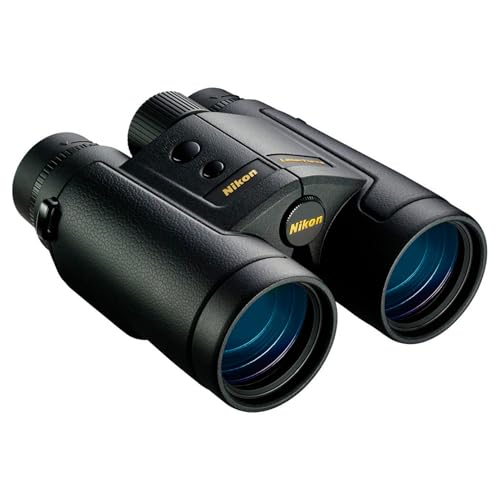
LASERFORCE RANGEFINDER BINOCULAR - Combine Nikon binocular performance with the extreme speed and ranging technology of a 1900-yard laser rangefinder and you have Nikon's LaserForce 10x42 Rangefinder Binocular; With very bright, clear red OLED display and a 10-1,900 yard range, this laser range binocular is a single, all-in-one optic for hunters who rely on both their binoculars to spot distant game and precise rangefinding to measure exact distance

The "Moonlit" F1.2 Aperture Mastery: Step into a new world of brightness with the F1.2 ultra-large aperture. Unlike F1.8 lenses, the SongRaw Moonlit series captures 2.5x more light, delivering creamy, dreamy bokeh that melts backgrounds away. Perfect for low-light night scenes and atmospheric portraits, allowing you to shoot at lower ISOs for cleaner, noise-free images.

Compatible Models: A2485-A2780 LCD for M1 Macbook air 2020 A2485-A2780 EMC 3651 8103 8408 Size: 13.3 in. Resolution: 3456x2234 . Warranty: 90 days. Please double check the model number on the bottom of the laptop and the color to see if it corresponds to this product
Debunking Myths About Anti-Reflective Coatings
Did you know that there are quite a few myths about anti-reflective (AR) coatings? It’s pretty surprising since they really do make a significant difference in how we see the world! One of the most common misconceptions is that AR coatings completely get rid of all reflections. In reality, they can reduce reflections to less than 1%, which is pretty impressive!
Another myth is that AR coatings scratch easily. However, if you choose premium AR coatings, they often come with scratch-resistant features. So, you don’t have to worry too much about them getting damaged easily. Imagine wearing glasses while driving at night; AR coatings improve visibility in low-light situations, which is a real bonus.
Caring for your AR-coated lenses is also a breeze—just use some mild soap and a microfiber cloth, and you’re good to go! And let’s not forget that not all AR coatings are the same. Premium options can be hydrophobic, which means water and dirt slide right off, making them super easy to keep clean. For optimal eye protection, consider coatings that also offer anti-fog technology for clearer vision in various conditions.
Best Care Tips for Your AR-Coated Lenses
Hey there! Taking care of our AR-coated lenses is easier than you might think, and it really helps keep them clear and scratch-free. Start by rinsing your lenses with some lukewarm water to wash away any dust or debris before you clean them. This simple step can save your lenses from those annoying scratches.
Next, grab a microfiber cloth that’s made for cleaning lenses. This cloth is perfect for wiping away smudges without damaging the anti-reflective coating. Make it a habit to wash this cloth regularly with mild detergent to keep it in top shape.
Also, steer clear of harsh chemicals like ammonia and alcohol—they can mess with how clear your lenses are. And when you’re not wearing your glasses, store them in a protective case. This simple practice not only keeps your lenses safe from scratches but also helps maintain those anti-reflective coatings that can reduce eye strain after long hours in front of a screen.
Using glasses with anti-glare lenses can further enhance comfort by reducing reflections and eye fatigue.
Now that you know the basics, let’s explore some common myths about caring for glasses. You might be surprised by what you find!
Recommended Products


A whole new level of camera intelligence from new AI processing unit. | Next-generation AF with Real-time Recognition autofocus deep learning AI
How to Pick the Best AR Coating for You?
Hey there! So, choosing the right anti-reflective (AR) coating for your glasses can feel a bit daunting with all the options out there. The first step is really thinking about your lifestyle—how much time you spend on screens daily and if night driving is a regular thing for you. AR coatings are fantastic for cutting down on glare, which is especially helpful during those long hours staring at your computer.
I usually recommend going for premium multi-layer coatings. They not only provide excellent glare reduction but also offer added scratch resistance, which is a huge plus if you’re prone to accidents (like dropping your glasses!). Make sure to ask your eye care professional about blue light filtering, too; it can make a noticeable difference in how tired your eyes feel after a long day.
Oh, and if your prescription is strong, consider high-index lenses paired with AR coatings—they can really improve your vision quality. Plus, don’t forget to check the warranty details, just to ensure your investment is protected from any defects. This way, you’ll feel confident in your choice as you move forward! If you’re curious about different types of lenses or more on that blue light topic, just let me know!
Additionally, choosing glasses with anti-fog and scratch-resistant coatings can enhance durability and overall comfort during extended use.
Recommended Products


TAHOE EDITION: Inspired by crystal-clear water of Lake Tahoe, these GUNNAR glasses represent the pinnacle of engineering and the best optical materials on the market

GUNNAR produces the only blue light blocking computer and gaming glasses with Patented Lens (#9417460) Technology that is recommended by doctors to protect and enhance your vision.
Answers to Common Questions About Anti-Reflective Coatings
Hey there! Let’s chat about anti-reflective (AR) coatings—I’m sure you have some questions about them. So, how do they work? These coatings are pretty clever; they can reduce reflections from around 8-10% down to less than 1%. Can you imagine that? It means almost all the light that hits your lenses goes straight through, which really makes everything look clearer.
But, just like anything, AR coatings can show signs of wear and tear over time. Keep an eye out for things like increased reflections, noticeable peeling, or if you find smudges harder to clean off. To keep your lenses in good shape, it’s a good idea to use a soft microfiber cloth for cleaning and to rinse them with cool water occasionally. If you’ve got high-index lenses, which are thinner than regular ones, AR coatings are especially helpful since they help reduce those annoying reflections you sometimes see. Many night driving glasses also use anti-reflective coatings to minimize glare and enhance nighttime visibility.
Frequently Asked Questions
What Are the Benefits of Anti-Reflective Coating?
We love how anti-reflective coating enhances vision clarity, reduces glare, and provides improved light transmission. Its scratch resistance, enhanced aesthetics, and easy cleaning lead to better color accuracy and reduced eye strain, while offering UV protection.
What Are the Disadvantages of Anti-Reflective Coating?
We face durability concerns and scratching risks with anti-reflective coatings. Cost implications and warranty limitations grow alongside maintenance requirements, while cleaning challenges can lead to color distortion and persistent reflection issues on our lenses.
How Long Does Anti-Reflective Coating Last?
Anti-reflective coatings typically last 2 to 3 years, but durability factors like maintenance tips and application techniques can extend this. User experiences and cleaning methods greatly influence their performance lifespan and overall effectiveness.
Which of These Is an Advantage of Using an AR Coating?
Imagine gazing through a crystal-clear lake. Using AR coating offers clarity improvement, glare reduction, enhanced contrast, improved aesthetics, scratch resistance, and lens longevity, granting us visual comfort while using digital devices or enjoying outdoor moments.


