As an Amazon Associate, we earn from qualifying purchases. Some links on this site are affiliate links at no extra cost to you. Our recommendations are based on thorough research and editorial judgment.


Why Screens Can Disrupt Sleep: What We Know and Why

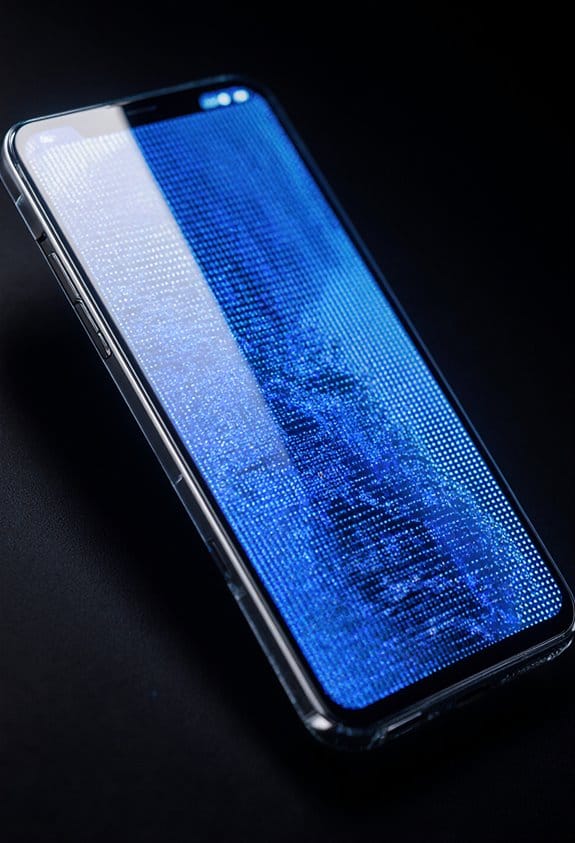
Screens can truly mess with our sleep, and it’s mainly due to blue light! This sneaky light reduces melatonin production, often delaying our sleep onset by over 30 minutes. Crazy, right? With about 58% of us using screens before bed, we’re putting our circadian rhythms on the back burner. By adopting a digital curfew, we can seriously improve our sleep quality. If you’re curious about more ways to tackle this issue, we’ve got some great tips for you!
Key Takeaways
- Screens emit blue light, which significantly reduces melatonin production, delaying sleep onset and disrupting natural sleep cycles.
- Approximately 58% of Americans use screens an hour before sleeping, increasing alertness and negatively affecting sleep quality.
- Blue light exposure interferes with the circadian rhythm, leading to poor sleep hygiene and overall health outcomes.
- Turning off electronic devices at least one hour before bed can enhance sleep quality and promote restful mornings.
- Engaging in non-digital activities before bedtime, like reading or bathing, signals the body to wind down, improving sleep health.
The Science Behind Screens and Sleep Disruption
You may be interested


Hey there! So, you know how we all love to scroll through our phones or tablets right before bed? It might feel harmless, but it turns out screens can really mess with our sleep. The blue light they emit can actually dial down the production of melatonin, which is the hormone that helps us feel sleepy. Basically, if you’re flicking through social media or binge-watching shows, you might find yourself taking an extra 30 minutes or more to drift off.
It’s pretty surprising to learn that about 58% of Americans are using screens within that crucial hour before bedtime. No wonder so many of us struggle with getting a good night’s sleep! That late-night TikTok scroll might seem entertaining, but it’s also throwing a wrench into our internal body clock, known as our circadian rhythm, which is key for quality rest.
If you’re looking to improve your sleep, consider setting a “screen curfew” for yourself, maybe an hour before bed. Swap out your phone for a good book instead. It’s a simple switch that could really help you feel more rested in the morning! Now let’s talk about some other habits that might be sneaking into your nighttime routine.
Wearing blue light glasses can also help filter disruptive blue light and improve your sleep quality by reducing eye strain and fatigue.
How Blue Light Affects Melatonin Production

Did you know that the blue light coming from our screens can really mess with our melatonin production? It’s surprising, but studies have shown that using devices at night can suppress this sleep hormone by up to 90 minutes! Melatonin is crucial for keeping our sleep cycles on track, and when it’s delayed, falling asleep at our intended time becomes much tougher.
Think about it: when you’re scrolling through your phone or watching TV, you might feel wide awake. That’s because the blue light keeps your brain alert, making it hard to wind down. For example, if you usually fall asleep by 10 PM but spend an hour on your phone right before bed, you might not feel sleepy until after 11 PM, disrupting your whole next day. Using UV400 protection lenses can help reduce this effect by blocking harmful blue light.
Understanding Your Circadian Rhythm and Sleep Cycle

Hey there! Did you know that understanding our circadian rhythm can really help us get better sleep? It’s pretty amazing how our bodies have this built-in clock that regulates our sleep-wake cycles over a 24-hour period. But here’s the catch: when we stare at screens, especially in the evening, that blue light can really throw a wrench in our natural rhythms. It tricks our internal clock and makes it harder for our bodies to produce melatonin, the hormone that helps us sleep.
To get that restful sleep we crave, we should stick to a consistent sleep routine. For instance, try dimming the lights and putting your phone away at least an hour before bed. You can even set up a relaxing evening ritual—like reading a book or taking a warm bath—to help signal to your brain that it’s time to wind down. By tuning into our body’s natural signals, we’re not just improving our sleep; we’re boosting our overall health and mood too. It’s all about syncing with those rhythms!
Using blue light glasses with 100% blue light blocking capabilities can also help reduce the disruption caused by screens in the evening.
Recognizing How Screen Time Affects Sleep
Hey there! So, let’s talk about how screen time messes with our sleep—it’s pretty fascinating, right? Did you know that more than half of us are scrolling through our phones or binge-watching shows right before we hit the hay? This isn’t great news, because the blue light from our screens really throws a wrench in our melatonin levels. Melatonin is the hormone that tells our bodies, “Hey, it’s time to sleep!” When that drops, it becomes a real struggle to fall asleep.
Plus, think about it: when you’re checking your notifications or getting into an exciting episode, your brain is running a mile a minute. That can keep you awake longer and make your sleep worse. For instance, if you find yourself on social media just before bed, you might feel wired instead of ready to snooze. A simple trick is to implement a digital curfew—try putting away your devices at least an hour before bedtime. This little change can work wonders for your sleep quality.
Now, let’s discuss some other habits that might be impacting how well we rest at night. Using blue light blocking glasses in the evening can help reduce eye strain and improve sleep quality by filtering harmful blue light.
Recommended Strategies for Screen Time Limits
Hey there! You know those late-night scrolling sessions or binge-watching marathons we sometimes get sucked into? They can really mess with our sleep quality. So, why not try limiting your screen time to just two hours or less in the evening? It’s a simple change that could make a big difference in how well you sleep.
To help get your body ready for rest, aim to turn off your devices at least one hour before bedtime. I get it—putting down the phone can be tough! Instead, why not pick up a good book or treat yourself to a warm bath? Both are fantastic ways to wind down and prepare for sleep without the distractions of screens. If you absolutely need to use screens in the evening, consider enabling nighttime mode and dimming the brightness. This can really help cut down on that pesky blue light that keeps us awake.
For parents, a great strategy is to set up charging stations for their kids’ devices outside the bedrooms. This way, they won’t be tempted to sneak in some late-night gaming or scrolling. By keeping screens out of the bedroom, you’ll help everyone get better rest. Remember, too much screen time can really impact our sleep quality—and a good night’s sleep is so important for our overall well-being! Additionally, managing exposure to light, like using UV400 protection, can support healthier sleep patterns by reducing disruptive blue light effects.
How to Create a Screen-Free Sleep Environment
Creating a screen-free sleep environment can really change how well you sleep, don’t you think? Imagine drifting off to sleep without the buzz of notifications or the blue light from your devices. The first step is to make your bed a no-device zone—seriously, keep all electronics out of there! Trust me, it can help you fall asleep faster.
Next, let’s talk about setting a digital curfew. Try turning off your devices at least an hour before bedtime. This gives your mind a chance to wind down. Instead of scrolling through emails, use that time to read a book or listen to some calming music. Your brain will thank you for it!
Another great tip is to dim the lights in your bedroom as you get ready for sleep. This little change encourages your body to produce melatonin, which is super important for quality rest. If you really want to take it up a notch, consider getting blackout curtains to block out any pesky light from outside. You’ll be amazed at how much darker your room can get and how that contributes to better sleep.
Using blue light blocking glasses in the evening can also reduce blue light exposure and help improve your sleep quality.
Healthy Sleep Hygiene Practices to Enhance Rest
Hey there! Let’s chat about how healthy sleep hygiene practices can really make a difference in your night’s rest. It’s surprising how a few simple tweaks can drastically improve your sleep quality. For starters, sticking to a consistent sleep routine is key. Try turning off your electronics at least an hour before bed. This will help cut down on that pesky blue light exposure, which can mess with your melatonin production – you know, the hormone that helps regulate our sleep cycle.
To create a cozy sleep environment, focus on things like comfy bedding and soft lighting. Dimming your screens or using blue light filters can help too when you’re winding down. And instead of scrolling through your phone, consider picking up a book or taking a warm bath before bed. These relaxing activities can cue your brain that it’s time to hit the hay.
Another helpful tip is to keep a sleep log. Jot down what you do leading up to bedtime and how well you sleep afterward. This little habit can highlight what works best for you and help you spot patterns over time. You’d be amazed at how these small changes can transform your nights into restful escapes! Let’s dive into what you can do during the day to support this nighttime routine. Using blue light blocking glasses during screen time can also significantly reduce eye strain and improve sleep quality.
Strategies to Reduce Screen Use Before Bedtime
Hey there! You know, if you’re looking to get better sleep, one of the best things you can do is to reduce screen use before bedtime. Seriously, it can make a huge difference! A great way to start is by setting a digital curfew—try turning off your phone at least an hour before you hit the hay. This little change really helps your body make melatonin, the hormone that signals it’s time to sleep, which can lead to better sleep quality.
Instead of scrolling through social media or binge-watching shows, why not pick up a book or take a warm bath? These activities can really help wind down your mind and prepare you for a restful night’s sleep. It’s all about creating a calming bedtime routine that feels right for you.
Another handy tip is to keep your devices charging outside your bedroom. It’s amazing how much temptation gets eliminated when your phone isn’t within arm’s reach. If you really need to use your screens, try lowering the brightness or using a blue light filter. This simple tweak can help reduce some of those negative effects that screens have on your sleep.
Taking these steps can help us build better sleep habits not just for ourselves but also for our kids. A good night’s rest is so important for everyone. So, why not give it a shot? Speaking of bedtime routines, let’s chat about some relaxing activities you can add to that hour before sleep!
To further protect your eyes and promote comfort during evening screen use, consider wearing UV protection sunglasses designed to reduce glare and block harmful rays.
Frequently Asked Questions
Why Do Screens Disrupt Sleep?
Screens disrupt sleep by emitting blue light, which hampers melatonin production. Our bedtime routine can suffer from digital distractions, making relaxation techniques ineffective and contributing to sleep quality issues and potential screen addiction.
How Does Screentime Affect Sleep?
When we use electronic devices right before bed, the blue light and screen brightness interfere with our sleep hormones, increasing mental stimulation. It’s vital to incorporate relaxation techniques in our bedtime routine for improved sleep quality.
What Is the 3 6 9 12 Rule for Screen Time?
The 3-6-9-12 rule suggests no screen time three hours before bedtime, limiting usage to six hours daily. This digital detox enhances sleep quality, manages energy levels, and mitigates health effects from device usage, promoting healthier bedtime routines.
Why Do Electronics Disrupt Our Sleep Cycle?
Electronics disrupt our sleep cycle because the blue light affects melatonin production, confusing our circadian rhythm. This light exposure before bed can trigger insomnia, making it tough to establish healthy nighttime routines and regulate sleep hormones.


