As an Amazon Associate, we earn from qualifying purchases. Some links on this site are affiliate links at no extra cost to you. Our recommendations are based on thorough research and editorial judgment.

Scratch Resistance in Lenses: What Coatings Can and Can’t Do

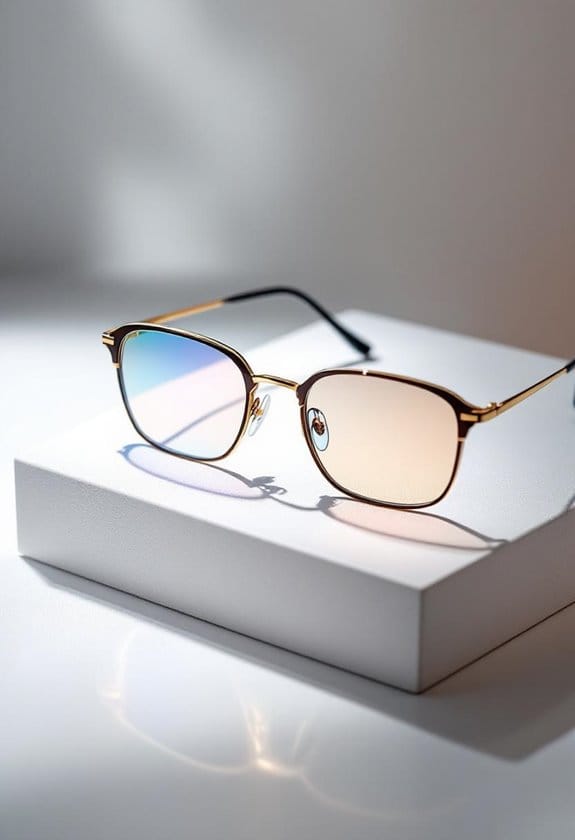
When it comes to scratch resistance in lenses, scratch-resistant coatings are a must for preserving clarity and lengthening your eyewear’s life. These coatings provide a tough layer that combats daily wear and tear, but they have their limitations—you can’t just go tossing your glasses around! For instance, polycarbonate and high-index lenses come with built-in coatings for extra durability. We’ll dig deeper into what makes these coatings tick and how to pick the best lenses for you.
Key Takeaways
- Scratch-resistant coatings provide essential protection but have limitations; they cannot make lenses completely scratch-proof.
- Proper application and environmental control during coating are crucial for maximizing durability and effectiveness.
- Different lens materials, like polycarbonate and high-index options, enhance scratch resistance, especially when combined with coatings.
- Regular care and maintenance, such as using microfiber cloths, can significantly extend the lifespan of scratch-resistant lenses.
- Assessing scratches helps determine proper action; minor ones may be polished, while deep scratches often require professional lens replacement.
Understanding Scratch Resistance in Eyeglass Lenses
You may be interested
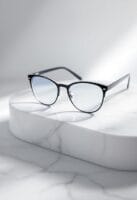
When you’re looking for eyeglass lenses, scratch resistance becomes super important for keeping your vision clear and your mind at ease. Scratch-resistant coatings, especially on polycarbonate and high-index lenses, really help by bonding to the lens surface. This bond means that daily wear and tear won’t compromise your vision as quickly, but keep in mind that no lens is totally scratch-proof. Lenses with high-quality coatings can hold onto their clarity for a much longer time.
To keep your lenses in tip-top shape, routine care is crucial. For example, always use a microfiber cloth to clean your lenses—it’s gentle and won’t cause scratches. And when you’re not wearing your glasses, storing them in a protective case can save them from accidental bumps or drops. While these coatings provide added durability, remember that if your lenses do get scratched, you might need to replace them if they start affecting how well you see. Taking good care of your lenses means they’ll serve you better for a longer time! Additionally, many protective eyewear options include scratch-resistant coatings that help extend the lifespan of lens surfaces.
How Scratch-Resistant Coatings Improve Lens Durability
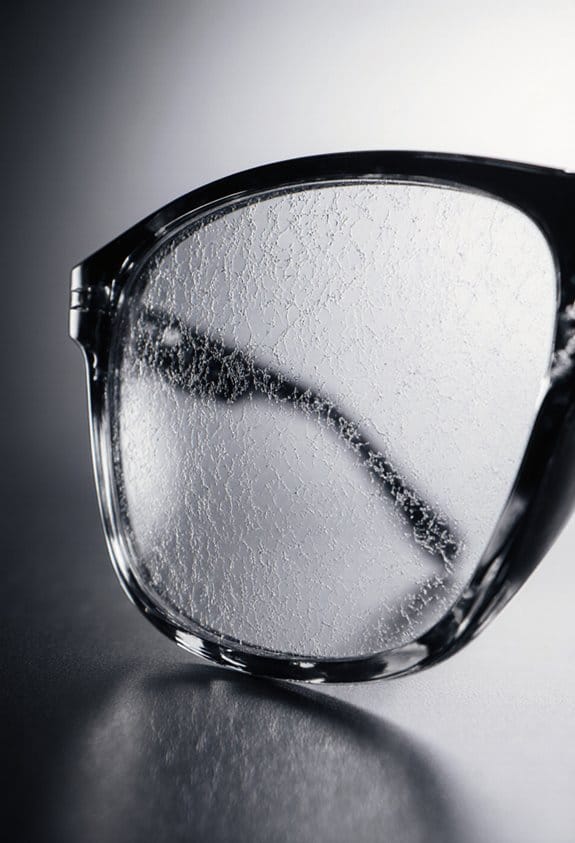
Hey! So, let’s chat about scratch-resistant coatings for your eyeglass lenses. These coatings play a crucial role in keeping your lenses durable. Basically, they add a tough layer that helps prevent those annoying little scratches from happening during your day-to-day activities. While it’s good to remember that no lens is completely scratch-proof, these coatings really help keep your lenses clear and comfortable for a lot longer.
Now, for the best results, it’s super important that the coatings are applied correctly. This means ensuring the right temperature during the process and making sure the lenses are thoroughly cleaned beforehand so the coating sticks well. When you’re cleaning your lenses, try using a microfiber cloth instead of regular tissues or your shirt. It makes a big difference! This simple habit can really help in maintaining the scratch-resistant coating, so your lenses last longer before needing a replacement.
Ultimately, by taking a little extra care of your eyewear, you can enjoy clearer vision and great-looking lenses for a longer time. It’s really worth it to keep our favorites looking fresh! High-quality safety glasses often feature scratch-resistant coatings that significantly contribute to lens longevity and clarity.
Recommended Products

33MP full-frame Exmor R back-illuminated CMOS sensor.Operating temperature : 0 to 40 °C (32 to 104 °F), Rated input : 100 - 240 V , 50/60 Hz, 0.2 A.

ANSI Z87+ HIGH IMPACT CERTIFIED: Independently tested to meet the ANSI Z87+ high impact standard for dependable outdoor eye protection

Model #110826 - Mark 4 20-60x80mm Spotting Scope with a TMR Reticle and a Black finish
Popular Lens Materials and Their Scratch Resistance
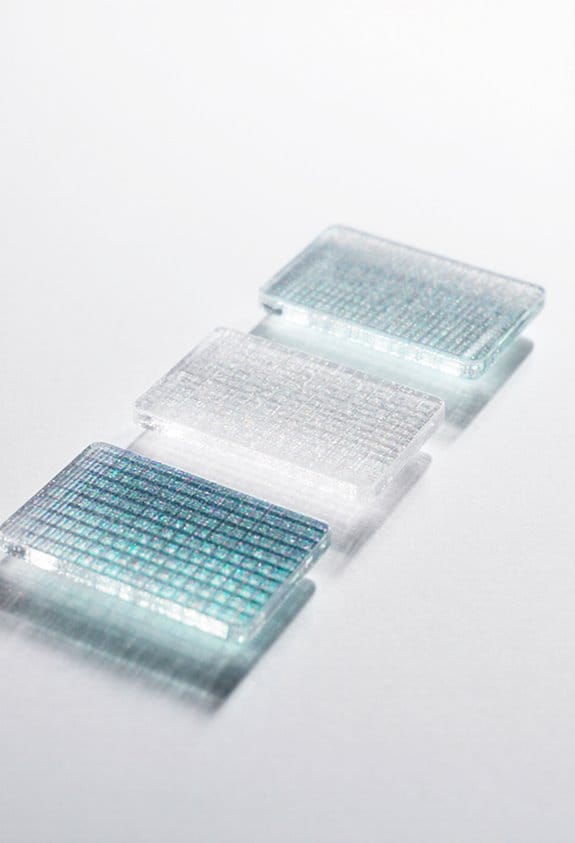
When it comes to choosing lens materials, understanding their scratch resistance can really help you pick the right pair of glasses. For example, CR-39 plastic lenses are a popular choice because they’re budget-friendly and offer great clarity, but they usually need a scratch-resistant coating to keep them looking good.
On the other hand, polycarbonate lenses are built to withstand impacts, so they come with coatings that help maintain clarity and durability. If you’ve got a stronger prescription, high-index plastic lenses are thinner and lighter, but they also need protective coatings to guard against day-to-day wear and tear.
Then there are Trivex lenses, which are just as tough as polycarbonate and also perform better when coated for scratch resistance. And let’s not forget about crown glass lenses; they’re super resistant to scratches, but without those modern coatings, they might not hold up as well over time. So, when you’re shopping for lenses, it’s all about balancing durability with your specific needs. Additionally, specialized coatings can significantly enhance scratch protection and clarity to extend the lifespan of your lenses anti-scratch coatings. Now that we’ve covered lens materials, let’s move on to how to properly care for your glasses to keep them scratch-free!
Recommended Products

SCHOTT HT Glass Phase-Corrected Roof Prisms

ENHANCED OPTICAL TOLERANCE - Built on the legendary B1/B1.1 chassis, the MeoStar B1 Plus Binoculars combine well-engineered optics with a lightweight and easy-to-manage durable aluminum alloy housing

The 18x56 Razor UHD binos use an Abbe Koenig prism design and provide ultra high definition, optical quality for unparalleled resolution, sharpness, color and light transmission. Includes an exclusive, green GlassPak Pro harnesss & rangefinder pouch.
Essential Care Tips for Maintaining Scratch-Resistant Lenses
Hey there! So, if you want to keep your scratch-resistant lenses in tip-top shape, it’s all about some simple care habits. First off, grab a microfiber cloth when you’re cleaning your lenses. Unlike regular fabrics, these cloths are super gentle and won’t leave scratches behind. Trust me, you’ll be amazed at how much clearer your lenses look with just a little swipe!
Next, make sure you’re using cleaning solutions that are specially made for coated eyewear. Just a spray or a wipe can help get rid of dirt and oils that tend to build up. Before you start wiping away, try rinsing your lenses with some lukewarm water first—this helps remove any debris that could cause scratches, so you don’t end up doing more harm than good.
Also, think about how you store your glasses! Keeping them in a protective case when you’re not wearing them is an easy way to shield them from the elements. And let’s chat about temperature—extreme heat or cold can damage that awesome scratch-resistant coating over time. So, if you can, avoid leaving your glasses in the car or near heat sources. Using a high-quality microfiber cleaning cloth specifically designed for eyeglasses ensures the best cleaning without risking damage to the coating.
Recommended Products

Personalize with Your Logo or Design – Add your logo, brand, or artwork to microfiber cloths that clean glasses, screens, and lenses while keeping your name in customers hands.

1. Product Specs Material: Microfiber. Size: 6"x6" (15cm x 15cm) - custom sizes available. Print: Single-sided by default, double-sided optional. We accept any logo or image. Keep important design away from edges - trimming may slightly cut into the border but won't affect the overall look.

Custom Logo & Bulk Promotional Solutions Personalize these microfiber cloths with your logo or design when ordering from 100 to 1000 pcs. An ideal high-value, practical promotional giveaway for trade shows, corporate events, and brand-building campaigns, ensuring your brand gets noticed and appreciated.
What to Do If Your Lenses Get Scratched?
Hey there! So, let’s talk about what to do if your lenses get scratched. When you notice those annoying scratches on your lenses, it’s a good idea to take a step back and see how bad they really are. If it’s just a minor scratch, you might try using a polishing compound that’s made specifically for lenses. Just keep in mind, it’s not a sure fix—results can really vary from person to person!
Now, if the scratches are deep, they can seriously mess with your vision, so the best move is to reach out to an eye care professional. They might recommend getting your lenses replaced, which is often the safest route to ensure you can see clearly.
Also, it’s super important to steer clear of using any harsh cleaning methods or household cleaners—they can make the coatings on your lenses worse! A good habit is to always store your lenses in a protective case when you’re not using them. This small step can really help prevent future scratches and keep your vision sharp for longer. Speaking of lens care, let’s chat about some safe cleaning methods!
Remember, choosing glasses with a scratch-resistant coating can significantly reduce the chance of damage and prolong lens life.
The Limitations of Scratch-Resistant Coatings
Hey there! So, I wanted to chat about scratch-resistant coatings and what they really mean for our lenses. While these coatings do a fantastic job of increasing durability, it’s important to realize that they aren’t a magical shield against scratches. For instance, if you have CR-39 lenses, which are a softer plastic, you’re likely to see scratches more easily compared to polycarbonate or high-index lenses that are tougher.
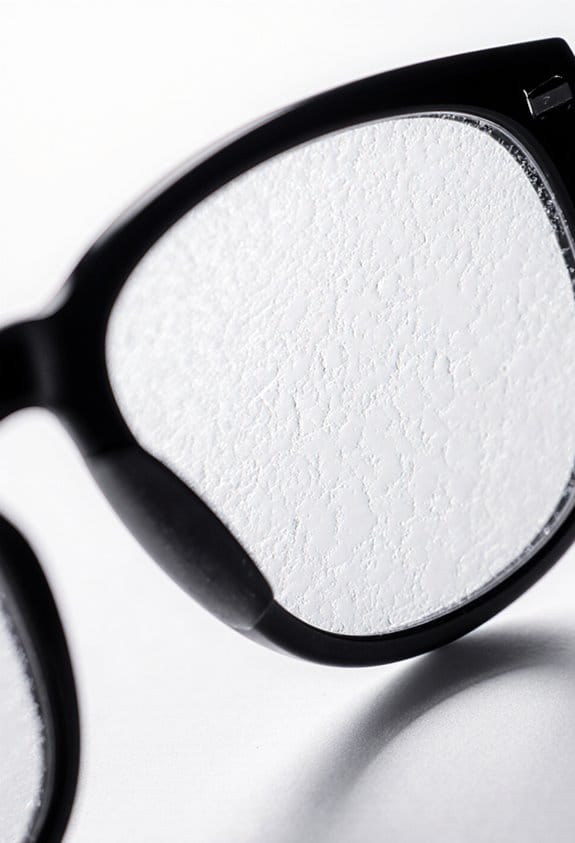
Also, keep in mind that over time, everyday activities like cleaning your lenses can wear down those coatings. If you’re not careful, you might notice that your vision starts to suffer because the protective layer isn’t doing its job anymore. It’s all about giving them a little TLC—using a soft microfiber cloth instead of paper towels or tissues can make a huge difference.
And speaking of cleaning, be careful! If you scrub too hard or use the wrong materials, you risk creating tiny cracks in your lenses called crazing, which can cloud your vision. Just a few simple habits can greatly extend the life of your scratch-resistant coatings, so treat your lenses with care. It’s all about preserving clarity! Now, let’s explore some practical tips on keeping your lenses in top shape for the long haul. Many safety glasses use polycarbonate lenses because they are more resistant to impact and scratches, making them a better long-term investment for eye protection.
Coatings That Can Enhance Lens Durability
You know how important it is to have a clear vision, right? That’s why coatings that enhance lens durability are really worth talking about! One of the most common types is scratch-resistant coatings, which act like a shield against those annoying everyday scratches we all encounter. While no lens is completely scratch-proof, polycarbonate and high-index lenses come with these coatings to help make them tougher.
But here’s a little tip: taking care of your lenses goes a long way. Use a microfiber cloth and gentle cleaning solution when wiping them down. This simple practice can really keep those scratch-resistant coatings effective for a long time. Plus, some of the higher-end lenses even come with warranties, which is a good sign that the manufacturers trust their durability.
Now, remember that it’s super important to choose the right coating for your lens material. If you pair the wrong coating with your lenses, it can mess with your optical clarity. So, as you’re considering options, think about how these coatings can give you a longer-lasting, clearer vision—it’s all about finding the perfect match! Let’s explore a bit further into the different types of coatings available and how they can benefit you.
Additionally, many high-quality safety glasses also feature anti-fog technology to maintain clarity in humid or challenging environments, complementing scratch-resistant coatings perfectly.
Recommended Products

NEXT-GEN PRECISION OPTICS - The Cronus BTR GEN2 is the flagship gun scope in the Athlon Optics lineup that excels in precision applications where every shot counts

Package Dimensions: 22.5" (L) x 16.0" (W) x 11.5" (H)

Patented Hybrid Optics
Key Factors to Evaluate When Selecting Scratch-Resistant Lenses
When it comes to selecting scratch-resistant lenses, it’s not just about grabbing any old pair off the shelf; you really want to think it through to find the best match for your needs. For starters, let’s talk about scratch-resistant coatings. Some materials, like polycarbonate and high-index lenses, have these built-in coatings that make them more durable and less prone to those nasty little scratches.
Taking care of your lenses makes a huge difference, too! Make sure to use a microfiber cloth for cleaning, as that helps keep them clear and extends their lifespan. For example, if you accidentally drop your sunglasses in the sand, a quick wipe with a microfiber cloth can easily remove fine particles without scratching the surface.
You also need to think about lens thickness. Thicker lenses can be sturdier, but they may feel heavier on your face. Quality matters here; many top-notch coatings come with warranties for added peace of mind. By considering these factors, you’ll make smarter choices. After all, your vision deserves that bit of extra care! So, let’s shift gears and talk about how to properly maintain your lenses once you’ve made your selection. Additionally, choosing lenses made from polycarbonate materials can offer both durability and superior scratch resistance, making them a great option for active use.
Recommended Products

53 Gallon drum of NOVUS #2 Fine Scratch Remover

INTEGRATED PRECISION COMPASS: Features the largest, most accurate HD-stabilized compass in its class. The integrated reticle and illuminated direction display allow for precise navigation and distance estimation even in heavy swells and low-light conditions.

ANSI Z87+ HIGH IMPACT CERTIFIED – Independently tested and rated to meet ANSI Z87+ standards, providing reliable impact resistance for industrial environments including construction, oil & gas, and assembly work.
Frequently Asked Questions
Which Coating Is Recommended to Increase Scratch Resistance on Lenses?
For ultimate lens protection, we recommend high-quality anti-scratch coatings. Considering lens material choices, user experiences shared highlight the importance of maintenance. Cost versus benefit analysis favors coatings with superior impact resistance features, ensuring long-lasting durability through environmental influences.
Is It Worth Getting Scratch Resistant Coating on Glasses?
Yes, it’s worth getting scratch-resistant coatings for glasses. They enhance lens longevity and optical clarity, providing scratch prevention. Considering user experiences and cost analysis, we see long-term benefits with proper maintenance tips to maximize effectiveness.
What Are Scratch Resistant Coatings?
Coating technology creates scratch-resistant coatings, enhancing lens durability and optical clarity. These surface treatments improve material composition for everyday wear, while smart coating maintenance leads to cost benefits that match consumer preferences and boost lens performance.
How Long Does Scratch Resistant Coating Last?
Scratch-resistant coatings typically last one to three years, influenced by durability factors like coating thickness, lens materials, and our maintenance habits. We’ve found that proper care and environmental impacts greatly affect the coating lifespan and overall performance.


