As an Amazon Associate, we earn from qualifying purchases. Some links on this site are affiliate links at no extra cost to you. Our recommendations are based on thorough research and editorial judgment.


Lens Color Guide: Gray vs Brown vs Green vs Rose (What Changes Visually)

When it comes to choosing sunglasses, the lens color can really change how we see the world. Gray lenses are fantastic for reducing brightness while keeping colors true—super helpful when driving. Brown lenses boost contrast and make reds and greens pop, perfect for sports. Green lenses offer clarity without distorting colors, while rose lenses can enhance visibility in snowy conditions. Each color has its perks and quirks, so let’s explore how to choose the best fit for our outdoor adventures.
Key Takeaways
- Gray lenses maintain true color perception while reducing brightness and glare, making them ideal for driving in bright sunlight.
- Brown lenses enhance contrast and depth perception, filtering out blue light to make colors appear more vivid, benefiting various outdoor activities.
- Green lenses provide excellent clarity, reduce glare, and maintain natural color perception, making them suitable for sports like golf and water activities.
- Rose lenses boost contrast and color perception, effectively reducing glare in varying lighting conditions, particularly beneficial in snowy environments.
- Each lens color significantly influences visual comfort, clarity, and outdoor experience, making the right selection crucial for specific activities.
The Importance of Sunglass Lens Colors: Why It Matters

You may be interested


Hey there! When we chat about sunglasses, most people immediately think about how they look, but let me tell you, the lens color is just as crucial—if not more! The color of your sunglass lenses can really impact how you see the world and your overall comfort. For example, gray lenses are great because they keep colors true to life, which is why pilots often prefer them when flying in bright sunlight.
Now, if you’re someone who loves driving or playing sports, brown lenses might be your best bet. They’re fantastic for boosting contrast and cutting down on glare, especially when light conditions are changing. And don’t sleep on green lenses either! They might not get as much attention, but they can really enhance clarity and contrast, making them perfect for tennis or similar activities.
Additionally, choosing lenses with polarized lenses can significantly reduce glare from reflective surfaces, improving visual comfort and clarity during outdoor activities.
Understanding Gray Lenses: Benefits and Best Uses
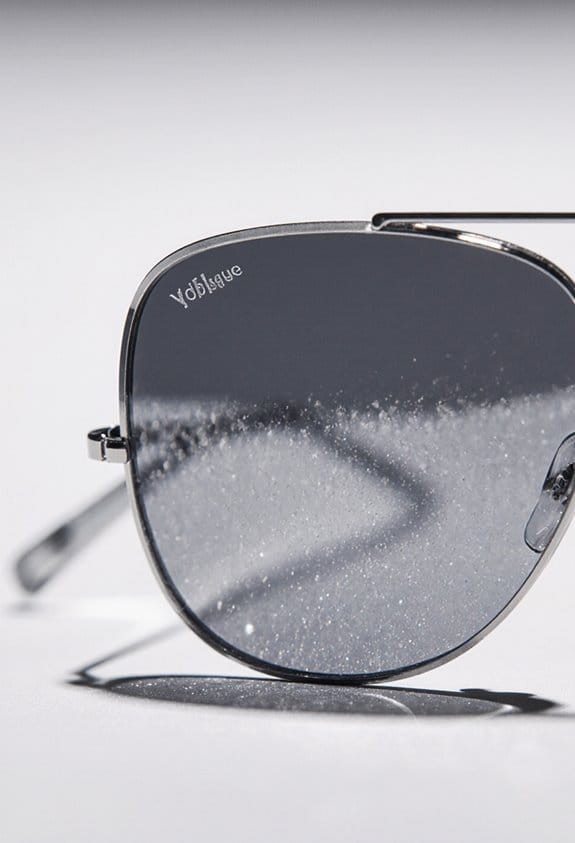
Hey there! Have you ever tried gray lenses? They’re like the superheroes for your eyes when you’re out in bright sunlight. What makes them special is that they let you see colors accurately by absorbing all wavelengths equally. This means you get less distortion and a reduction in bright light, which is a real lifesaver for outdoor sports where you need to see clearly.
On those sunny days, gray lenses really do their magic. They cut down on glare and boost your eye comfort—think about how great it feels to be near a pool or on the beach without squinting. Plus, they’re awesome for driving because they help reduce distractions from bright headlights or sun reflections on the road.
But here’s a little nugget to keep in mind: while gray lenses are fantastic in bright conditions, they don’t really help with contrast when it’s low light. So, if you’re planning on going somewhere dim, you might want to consider other lens options. Overall, their ability to maintain color clarity in the sunshine is pretty impressive! And speaking of lens options, let’s take a closer look at other types of sunglasses that might suit various activities and lighting conditions. For optimal eye safety, it’s important to choose lenses that provide UV400 protection to block harmful rays effectively.
Brown Lenses: Enhance Contrast and Depth Perception

Hey there! You know how sometimes bright sunlight can really make it hard to see? Brown lenses are fantastic for that! They really enhance contrast and depth perception, which is super useful when you’re outside, whether you’re playing sports, driving, or just enjoying a day out in the park.
These lenses do a great job of filtering out blue light, which helps cut down on glare. So, if you’re driving on a sunny day, you’ll notice it’s way easier to see the road ahead. Plus, they make colors pop! Reds and greens look so much brighter, which is pretty cool when you’re surrounded by nature.
What’s great is that brown lenses are versatile. They perform well whether it’s a bright, sunny day or the sky is a bit overcast. You’ll appreciate the clarity in varying conditions. So, if you want to see the world more vividly, those brown lenses might just be the perfect solution! It’s interesting to think about how different lenses can impact our visual experiences, right?
In addition to enhancing vision, brown lenses often come with UV400 protection, which is vital for safeguarding your eyes from harmful UV rays during outdoor activities.
Green Lenses: Balancing Clarity and Comfort in Bright Environments
Hey there! Have you ever considered how much the color of your lenses influences your vision? Green lenses are pretty cool because they do a great job at reducing glare, which is super helpful when you’re out enjoying activities like golfing or windsurfing. For instance, when you’re on the green trying to line up a putt, those green lenses can help you see the contours of the course more clearly.
Another awesome thing about green lenses is that they enhance contrast, making everything look sharper. Imagine strolling through a bustling city or a vibrant park—the colors pop while still feeling natural. They help keep your color perception accurate, even when the sun’s blazing down, so you won’t feel overwhelmed by brightness or strain your eyes. You can enjoy your outdoor adventures without sacrificing comfort, which is definitely a win. Plus, green lenses often come with UV Protection to safeguard your eyes from harmful rays during prolonged exposure.
Rose Lenses: Are They Right for You? Benefits & Use Cases
Hey, have you ever thought about whether rose lenses could be the key to enhancing your outdoor adventures? These nifty lenses are fantastic at boosting color perception and contrast, making them ideal for activities such as skiing or snowboarding. Imagine carving down the slopes with a clearer view of the terrain—depth perception is everything when you want to stay upright!
Plus, rose lenses really shine when it comes to cutting down glare. If you’ve ever spent a long day outdoors squinting against the sun, you know how exhausting that can be on your eyes. With these lenses, you can enjoy extended hours outside without that nagging strain.
Now, while rose lenses offer great visibility—especially when transitioning from bright sun to shady spots—you might want to mix it up a bit. Wearing them all the time could lead to some eye fatigue, so switching between different tints can help keep your eyes fresh. For example, on particularly bright days, you might pair them with darker lenses to maintain comfort. It’s all about finding the right balance for each adventure!
When selecting lenses, considering options with blue light protection can further reduce eye strain during prolonged use of digital devices.
Tips for Choosing the Right Lens Color
Choosing the right lens color can really amp up your outdoor experience, whether you’re shredding the slopes or cruising on sunlit streets. So, first things first—think about what you’re doing outside. For those bright, sunny days, gray lenses are a solid choice because they reduce distortion and keep everything looking natural. If you’re hitting the road, go for brown lenses; they really boost contrast and help you see details that might otherwise blend into the background.
Now, if you’re adventurous, green lenses are fantastic for outdoor sports or city wandering. They help balance colors and cut down on glare, which can be super helpful when you’re cycling or hiking. And for all the snow lovers out there, consider rose lenses. They’re great for enhancing depth perception, making it easier to navigate tricky terrain while skiing or snowboarding.
Don’t forget about UV protection! Make sure your lenses block 100% of UVA and UVB rays to keep your eyes safe. Lastly, think about comfort and style when choosing a lens color. After all, looking good while being practical is what we all want, right? This little consideration can make a big difference in your overall satisfaction during any outdoor activity. Make sure your sunglasses also offer UV400 protection to effectively shield your eyes from harmful rays. Now that you’ve got the scoop on lens colors, let’s talk about how different lens shapes can impact your vision and style.
Easy Ways to Keep Your Sunglasses in Top Shape
Hey there! So, you might be wondering how to keep your sunglasses looking sharp and working well. The first thing I recommend is to clean them regularly with some lukewarm water and a bit of mild dish soap. It’s super easy—just a quick rinse and gentle wipe can go a long way to avoid scratches and keep those lenses crystal clear.
When you’re not wearing them, toss your shades into a protective case. Seriously, it’s a small habit that makes a huge difference! And here’s a tip: always place them with the lenses facing up. Trust me, doing the opposite can lead to annoying scratches you’ll want to avoid!
Also, when you’re drying them off, grab a soft microfiber cloth—this keeps lint from sticking and ensures your lenses stay pristine. With these simple steps, you’ll definitely extend the life of your sunglasses. After all, protecting our eyes from harmful UV rays is super important, and we want our eyewear to perform at its best!
What about those pesky smudges? A quick clean with your microfiber cloth can tackle those too, keeping your view clear and your style sharp!
For added durability and everyday convenience, consider sunglasses with compact folding designs that make storage and portability effortless.
Frequently Asked Questions About Sunglass Lens Colors
Hey there! Have you ever thought about how the color of your sunglass lenses can really enhance your eyewear experience? It might seem a bit complicated at first, but it’s actually pretty straightforward once you break it down. For instance, gray lenses are fantastic for bright, sunny days; they help you see true colors while cutting down on glare—perfect for a beach day or driving around town.
Now, if you’re into driving at sunset or need a lens that brings out details in low light, brown lenses are a great choice. They improve contrast and depth perception, which can really help when you’re in the car, especially in tricky conditions. Green lenses, on the other hand, reduce glare as well but provide great clarity, making them ideal for active sports like tennis—kind of like having a turbo boost for your eyes to spot that ball quicker!
Oh, and don’t forget about rose lenses; they’re excellent for snowy days since they enhance contrast, although they might make your eyes feel a bit tired if you wear them for too long. So, picking the right lens color can really set the vibe for your outdoor routine. Speaking of which, let’s chat about how to properly care for your sunglasses to keep them in great shape! Also, remember that UV400 protection is key to shielding your eyes from harmful UVA and UVB rays, regardless of lens color.
Frequently Asked Questions
Are Green or Grey Lenses Better?
We believe choosing between green and gray lenses depends on personal preference. Gray offers brightness contrast and color perception benefits, while green enhances visual clarity and reduces eye strain, making them great for outdoor activities and fashion compatibility.
Which Is Better, Grey or Brown Transition Lenses?
Statistically, 78% prefer gray lenses for outdoor activities. We appreciate shift lens benefits like UV protection features, eye strain reduction, and customizable styles. Gray excels in light absorption, while brown elevates color contrast, catering to various preferences.
Should I Get Brown or Grey Sunglasses?
We should consider brown lenses for contrast enhancement and eye sensitivity in dark environments, while gray lenses offer clarity and UV protection in bright conditions. Let’s also think about our fashion preferences and skin tones when choosing!
Which Lens Color Is Attractive?
In our fashion garden, attractive lens colors bloom uniquely. Let’s explore personal style and seasonal influences, considering skin tones and eye colors, to find shades favored by celebrities that enhance our comfort and activities effortlessly.


