As an Amazon Associate, we earn from qualifying purchases. Some links on this site are affiliate links at no extra cost to you. Our recommendations are based on thorough research and editorial judgment.


Choosing Sunglasses for Weather: Sun, Haze, Overcast, and High Glare

When we’re choosing sunglasses for different weather, it’s essential to match lenses with conditions! For bright sun, polarized lenses help reduce glare, making them perfect for activities like driving or water sports. In hazy or overcast weather, yellow or amber lenses can cut blue light and enhance clarity. High glare situations call for dark tints like gray or mirrored lenses for effective glare reduction. Trust us, understanding these options can elevate your eyewear game, and there’s more to explore!
Key Takeaways
- For bright, sunny conditions, choose polarized lenses to reduce glare and maximize UV protection.
- In hazy weather, brown or amber lenses enhance contrast and improve visibility.
- For overcast days, yellow or amber lenses help filter blue light and enhance clarity.
- In high glare situations, opt for dark tinted, polarized lenses with a low VLT for sharp vision.
- Always ensure sunglasses provide 100% UV protection, regardless of weather conditions.
Understanding Sunglass Lens Types for Different Weather
You may be interested
Picking the right sunglasses can feel overwhelming, especially when you think about how different lens types work in various weather conditions. If you’re heading out on a bright sunny day, polarized lenses are a fantastic choice; they cut down on glare, help protect your eyes from harmful UV rays, and make activities like driving or enjoying water sports much more comfortable. I remember going to the beach last summer and how much easier it was to see clearly when wearing my polarized shades.
Now, if you’re after something that enhances contrast on sunny days, brown lenses can do the trick. Just keep them out of low-light situations—those can be a bit tricky. On the other hand, gray lenses are super versatile! They offer true color perception, which is perfect for everyday wear without tiring your eyes.
And let’s not forget about mirrored lenses! They’re a great option if you’re in a place with a lot of reflection, like snowy mountains or sandy beaches. They absorb a significant amount of light, helping you see better in those bright conditions. So, with these various lens types, you can definitely find the right pair for whatever weather you’re facing! What’s next on your sunglasses list? Maybe we should chat about different frame styles that work well with each lens type.
For outdoor activities like golf, choosing sunglasses with polarized lenses and UV400 protection is essential for clarity and eye safety.
Choosing the Right Lens Colors for Hazy and Overcast Conditions
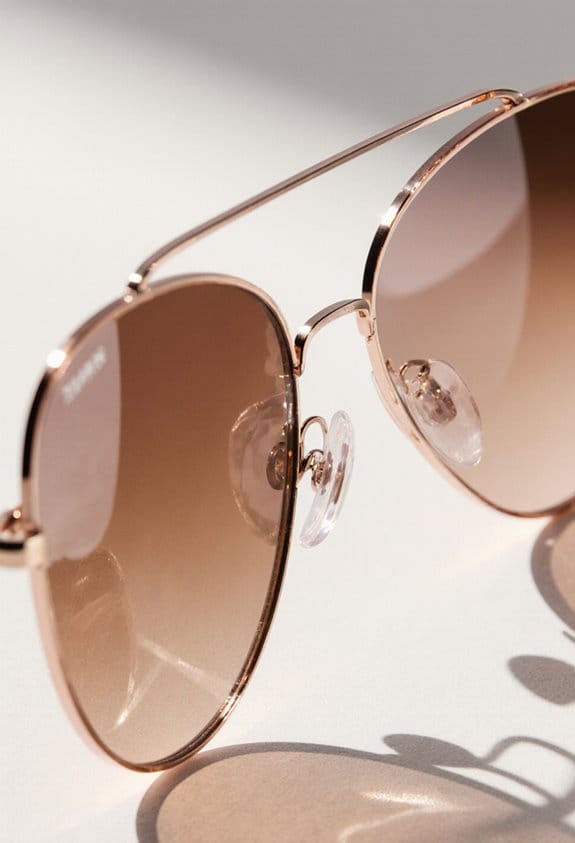
Hey there! Let’s chat about picking the right lens colors for those dreary hazy and overcast days. Trust me, it makes a world of difference when you’re trying to see clearly. Choosing yellow or amber lenses is a smart move because they really help cut down on blue light, which can make everything look washed out. Those light tints keep your view bright without making it feel like you’re peering through dark sunglasses. Nobody wants to squint while navigating soggy weather, right?
Now, if you’re spending time outside in the varying cloud cover, amber lenses are fantastic. They reduce glare and help you judge distances better, so when you’re out on a walk and dodging puddles, you won’t miss a step. And let’s not forget about UV protection! Just because it’s cloudy doesn’t mean those harmful rays aren’t sneaking through. Always check that your lenses block UV light. For the best protection, look for sunglasses with UV400 protection to ensure your eyes are shielded from 99%-100% of UVA and UVB rays.
Recommended Products
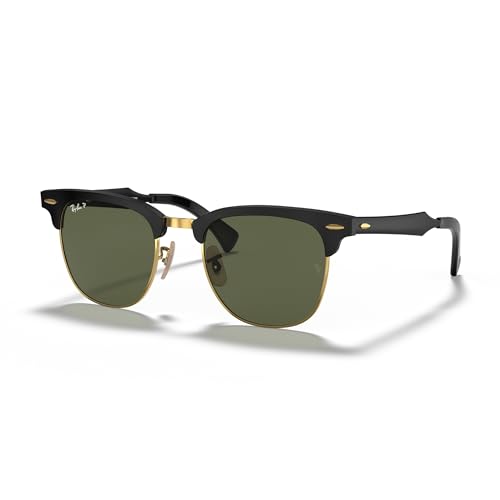
FRAME DESIGN & MATERIALS - Square-shape aluminum metal frame in Black on Gold with a polished two-tone finish, featuring the iconic Clubmaster browline profile. Made in Italy.

Green Stripe Matte Frame – A stylish, nature-inspired frame designed for performance and durability.

Green Mirror, a versatile, all-purpose lens for anglers. The brown amber base and 12% light transmission great for fishing the flats reefs and shorelines.
How Sunlight Affects Your Sunglass Choices?
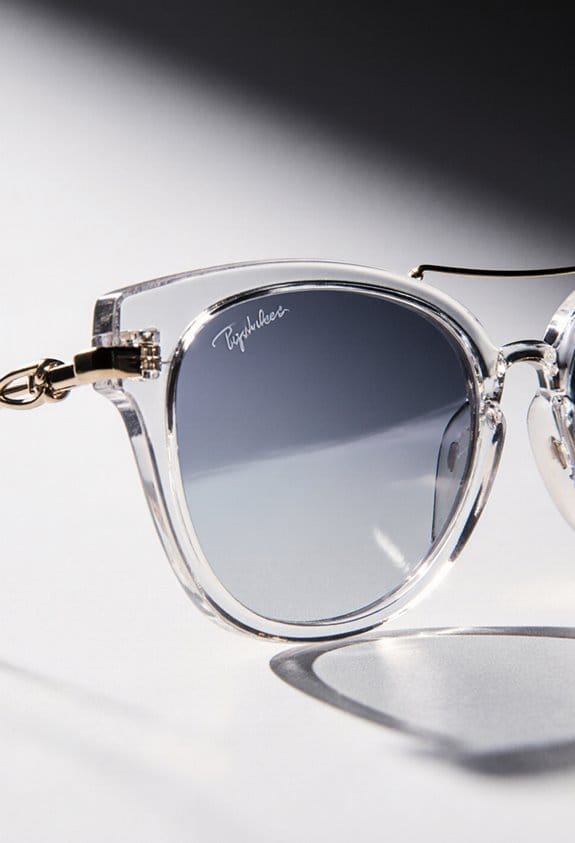
You know, the way sunlight affects your sunglass choices is pretty fascinating! When it’s super bright outside, polarized lenses are a must. They really help cut down that bothersome horizontal glare, making it easier for your eyes to relax and see clearly. For instance, if you’re heading to the beach or driving on a sunny road trip, polarized lenses can really make a difference.
On those hazy or overcast days, you might want to reach for brown or amber lenses. These colors are great for enhancing contrast and helping you see details more clearly, like when you’re hiking through the woods or just walking in the park. And if the weather is a bit unpredictable, green lenses are a solid choice. They help ensure that the light is balanced, which is handy if the sun starts to peek through the clouds.
No matter what you pick, don’t forget the most important part: make sure your sunglasses provide maximum UV protection! It’s surprising how much the right lenses can change our visual experience throughout the day. So, now that we’ve covered lenses for different weather conditions, let’s talk about how to care for your sunglasses to keep them looking great! High-quality amber lenses typically block about 99% of UVA/UVB rays, making them a great choice for both eye protection and visual clarity.
Recommended Products

Protective case included
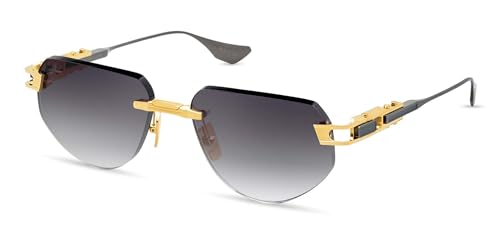
Yellow Gold Black Iron/Dark Grey Shaded

FRAME FEATURES: PO3330S sunglasses feature a rectangular, black horn foldable frame with flex hinges and black polarized lenses.
Choosing Sunglasses for High Glare Situations
Hey! You know how blindingly bright days can be tough on our eyes? Well, for those high glare situations, polarized lenses are truly helpful. They work by reducing glare from surfaces like water or roads, making it easier to see clearly.
When you’re choosing sunglasses, look for ones with a visible light transmission (VLT) of 0-19%. This means they block a lot of light, which helps keep your vision sharp. I personally love dark tints, like gray or brown, because they help maintain true color perception. It’s especially useful during activities like hiking or biking when you need to see colors clearly.
And don’t overlook mirrored lenses—they reflect more sunlight and add an extra layer of protection from glare. Just remember, you want 100% UV protection to keep your eyes safe from harmful rays. Many quality polarized sports sunglasses also feature adjustable nose pads and non-slip ear pads for a secure fit during active use. With these tips, you can confidently enjoy the sunshine without straining your eyes!
What to Consider When Selecting Sunglasses for Different Activities?
Hey there! So, when it comes to choosing the right sunglasses for different activities, it really makes a big difference. Whether you’re hitting the trails for an adventurous hike or just chilling by the beach, the right pair can enhance your experience. For example, if you’re planning on a day of mountain biking under the bright sun, go for polarized lenses with a very low visible light transmission (VLT) of around 0-19%. These lenses cut down on glare and really help you see clearly.
Now, if you’re in the city, you might want to opt for gray or brown lenses. These colors not only improve color perception but also give you a clear view without distortion, usually with about a 20-40% absorption level. They’re great for people-watching or exploring urban parks! And when it’s a little gray outside, don’t underestimate yellow-tinted lenses—they brighten things up and filter out blue light, which boosts contrast.
Now, if you find yourself near water, definitely go for polarized lenses with a mirror finish. They do wonders at reducing glare, making your time on the boat or by the shore much more enjoyable. Finally, if you’re hiking in higher altitudes, don’t skip on the protection—look for lenses that absorb 80-95% of UV light to keep your eyes safe. Choosing the right sunglasses is all about understanding your environment, so next time you’re out, you’ll know exactly what to reach for!
For extended outdoor play like pickleball, prioritize sunglasses with UV400 protection to shield your eyes from harmful rays while maintaining clear visibility.
Recommended Products

✔【High Precision & Fast Measurement】:Equipped with Hartmann 150-point sensing technology and a high-speed CCD camera, the Lensmeter delivers ±0.01D accuracy for spherical (±35D), cylindrical (±10D), prism (0-15Δ), and progressive lenses (ADD 0-10D). Automatically detects single-vision, bifocal, trifocal, and contact lenses, ensuring versatile optical testing

All Maui Jim sunglasses feature PolarizedPlus2 lens technology that go beyond shielding your eyes from glare and harmful UV rays by enhancing colors to reveal the true beauty of the world around you

Iconic Design & Ultimate Protection: The unmistakable Gucci logo on the temples of these sunglasses adds a touch of brand prestige and luxury, showcasing the brand’s iconic design expertise. A subtle yet bold statement of style, the logo ensures these sunglasses are instantly recognizable and effortlessly elevate your look. Additionally, these sunglasses offer 100% UV protection, keeping your eyes shielded from harmful rays while you stay stylish.
Frequently Asked Questions
What Color Sunglasses Are Best for Cloudy Days?
For cloudy days, we’d suggest yellow or light brown lens tint options, enhancing color vision clarity while ensuring UV protection is a priority. Fashion should complement function, keeping outdoor activity needs and durability in mind.
What Lens Cover Is Best for Overcast Days?
For overcast days, we prefer polarized lenses with lighter tints. These enhance color perception and lens clarity while offering UV protection. Anti-reflective coatings improve comfort levels, ensuring our vision remains clear despite varying light transmission.
Should You Wear Sunglasses in Overcast Weather?
Yes, we should wear sunglasses in overcast weather for UV protection and eye strain relief. With proper lens tinting and polarization benefits, our outdoor activities can be more comfortable, improving visibility and color perception without compromising fashion choices.
What Sunglasses Are Good for Gloomy Days?
For gloomy days, we recommend yellow lenses for comfort and contrast, ensuring UV protection’s a priority. Let’s compare tint variations and consider frame style; polarized options enhance visibility while balancing fashion and function within various price ranges.


