As an Amazon Associate, we earn from qualifying purchases. Some links on this site are affiliate links at no extra cost to you. Our recommendations are based on thorough research and editorial judgment.


Blue Light vs UV Light: The Simple Difference Most People Miss

When we talk about blue light and UV light, we’re diving into some mind-blowing differences! Blue light, with wavelengths from 380 to 500 nanometers, is visible and can cause eye strain, especially after long screen sessions. In contrast, UV light is invisible and primarily harms our eyes over time, increasing the risk of cataracts. Both types need our attention, so stick around if you want to learn about protecting your eyes from these distinct light sources!
Key Takeaways
- Blue light is visible light emitted from screens and sunlight, while UV light is invisible and primarily comes from the sun.
- Blue light can strain eyes during prolonged screen use, but does not typically cause permanent damage.
- UV light exposure can lead to severe eye conditions, such as cataracts and photokeratitis, requiring protective eyewear outdoors.
- Blue light can disrupt sleep patterns by interfering with melatonin production; UV light is linked to long-term health risks.
- Using blue light glasses may help reduce eye strain, while UV protection is essential for outdoor activities to block harmful rays.
What Are Blue Light and UV Light?

You may be interested


Hey there! You know, when we talk about the light we encounter every day, it’s easy to forget that there are different types out there that really impact our lives—like blue light and UV light. Blue light, which comes from sources like sunlight and screens, has wavelengths between 380 and 500 nanometers and actually accounts for about a third of what we see daily. So, every time you’re scrolling through your phone or working on your laptop, you’re soaking in a good amount of blue light.
Now, let’s chat about UV light. Unlike blue light, UV (or ultraviolet) light isn’t something we can see, but it’s definitely something to be cautious of. The sun puts out UV rays, which we break down into three types: UVA, UVB, and UVC. These rays can be harmful in the long run, potentially leading to conditions like cataracts. For instance, if you’re out enjoying a sunny day without sunglasses, you’re exposing your eyes to these harmful rays. On the flip side, even though blue light can cause discomfort and lead to digital eye strain—like headaches or a tired feeling in your eyes—there are some practical steps you can take. Consider investing in blue light blocking glasses for those extended screen sessions, and don’t forget your UV-protective sunglasses when you’re outdoors!
It’s all about protecting your eyes, right? In fact, selecting glasses that block at least 90% of blue light can significantly reduce eye strain and improve comfort during long screen use, making blue light protection an essential consideration in our digital age. Speaking of protection, let’s explore why taking care of our vision is essential in our digital age.
How Does Blue Light Affect Our Vision?

Hey there! You know how we spend so much time staring at screens these days? Well, blue light from our devices—those bright screens we can’t seem to put down—can really impact our vision and how we feel. Blue light has wavelengths between 380 nm and 500 nm, and it’s a big player in causing eye strain. Ever felt that nagging discomfort or noticed your vision getting a bit blurry after a few hours of scrolling? It’s more common than you think!
Another issue with blue light is that it can lead to dry eyes. When we’re focused on screens, we tend to blink less, which means our eyes don’t get the moisture they need. Imagine sitting down for a binge-watch session and realizing your eyes feel scratchy. Ouch! But here’s a tip: wearing blue light blocking glasses can really help ease this strain and make things more comfortable while you’re online.
While the levels of blue light we encounter daily probably won’t cause permanent damage, it’s wise to protect our eyes during all that screen time. Many blue light glasses come with UV400 protection which ensures your eyes are shielded from harmful rays. So next time you’re hunkered down for a movie marathon or working on that project, think about those glasses. After all, we want to enjoy our digital adventures without all the squinting! Now, let’s explore some easy ways to give our eyes a break throughout the day.
The Effects of UV Light on Eye Health

Hey there! You know, even when we’re cozied up indoors, that sneaky UV light can still find its way in and harm our eye health. You might be thinking, “How is that possible?” Well, think about it like this: UV rays can bounce off surfaces like windows or walls, making it easy for them to reach our eyes even when we think we’re safe. Over time, exposure to these rays can lead to serious eye issues, like cataracts or macular degeneration. Scary stuff, right?
But don’t worry, there’s some good news! Wearing sunglasses with UV protection is a simple way to help shield your eyes. For example, if you’re heading outside to enjoy a sunny day or even just running errands, pop on those shades! They’re not just a fashion statement; they’re your first line of defense.
Knowing this, it’s important to be mindful of UV exposure and take precautions, even when you think you’re safe indoors. Polarized lenses not only block UV rays but also reduce glare, making them ideal for protecting your eyes during sunny conditions. Let’s chat about some more ways to protect your eyes from harmful rays!
Key Differences Between Blue Light and UV Light
Hey there! Have you ever thought about the differences between blue light and UV light? It’s pretty fascinating because both really do impact our eyes, but in distinct ways. UV light, which we can’t see, includes the harmful UVA and UVB rays that can lead to some serious eye issues like cataracts or macular degeneration. For instance, spending a lot of time outdoors without proper sunglasses can expose you to these rays, putting your vision at risk.
Now, blue light is a bit different. It’s visible and comes from sources like natural sunlight and our screens. Have you noticed how staring at your phone or computer for too long can make your eyes feel tired? That’s partly due to blue light, which can also mess with our sleep by interfering with melatonin production. Just think about how scrolling through social media late at night might keep you awake! Using blue light blocking glasses can reduce eye strain and protect your eyes during prolonged screen time.
Recommended Products


TAHOE EDITION: Inspired by crystal-clear water of Lake Tahoe, these GUNNAR glasses represent the pinnacle of engineering and the best optical materials on the market

MATERIAL: Crafted from premium acetate frames for cloud-like comfort that you'll forget you're wearing
Pros and Cons of Blue Light Exposure on Eye Health
Hey there! You know, a lot of us don’t really think about how blue light exposure affects our eye health, but it’s pretty fascinating. On the bright side, blue light helps keep us alert and focused during the day, which can totally boost our productivity. For example, if you’ve noticed that you power through work better after a morning under natural daylight, that’s blue light doing its job!
However, there’s a catch. Too much blue light, especially from screens at night, can lead to digital eye strain, which can leave your eyes feeling tired and blurry. It’s kind of like when you stare at your phone for too long and everything starts to look fuzzy. Yikes! Plus, some studies suggest that constant exposure over time might increase the risk of serious issues like macular degeneration.
That’s why many of us are turning to blue light blocking glasses when we’re glued to our screens, especially in the evening. They can really help ease that discomfort. While a bit of blue light exposure during the day isn’t a big deal, keeping an eye (pun intended!) on our screen time can definitely help protect our vision. It’s all about finding that balance! Now, let’s chat about some practical ways to manage your screen time effectively. Using blue light glasses with anti-reflective coatings can significantly reduce eye strain during prolonged screen use.
Recommended Products

Filters 15x More Harmful Blue Light Than Standard Clear Lenses - Felix Gray's proprietary technology is infused directly into the lens material, not a surface coating that wears off. Consistent protection for all-day screen use: computer work, extended screen time, and video calls. No tint and no color distortion - real filtering where it matters

TRANSFORM YOUR ROUTINE: Designed to block up to 98% of harmful blue light from phones, TVs, and computer screens. By reducing eye strain, our glasses support better sleep, a happier mood, improved focus, and lasting comfort during daily screen time.

Improve Sleep Quality Naturally – Amber lenses filter up to 99.9% of disruptive blue light (~400–500 nm) to support melatonin and circadian rhythm.
How UV Protection Can Safeguard Your Eyes
Hey there! So, you know how we love soaking up the sun on a bright, sunny day? It feels great, right? But let me share something really important about UV protection for our eyes. Those ultraviolet (UV) rays that we don’t usually think about can actually be pretty harmful. Over time, they can lead to serious issues like cataracts, which cloud your vision, and age-related macular degeneration, which can affect how well you see details.
Have you ever experienced a sunburn? Well, your eyes can get something similar called photokeratitis if you spend too much time squinting under the sun without protection. It’s like a painful sunburn for your corneas! To keep your eyes safe, wearing sunglasses with UV protection is key. Look for shades that block both UVA and UVB rays, and make a habit of putting them on whenever you step outside. High-quality sunglasses with UV400 protection can block 99% of these harmful rays to safeguard your eyes effectively.
Recommended Products

Frame Color: Black

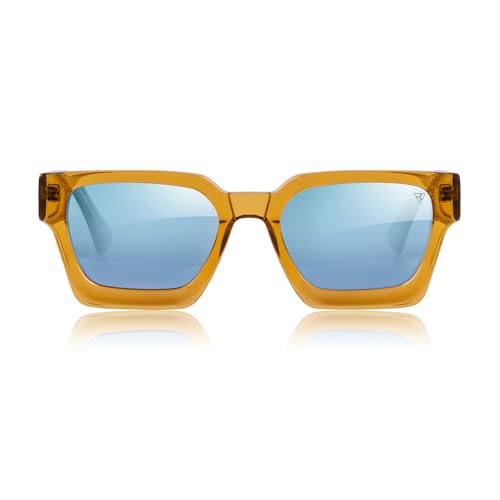
Built for daylight: Quietly amber inside, boldly reflective outdoors. Long-Lasting Luxury eyewear; premium-quality name with a 2-year warranty. Our mens designer sunglasses have high-end durability & out-of-this-world comfort. Women's sunglasses & eyewear accessories too, a supreme addition for luxury, urban, and streetwear wardrobes
How to Protect Your Eyes From Blue and UV Light
Hey there! So, have you ever thought about how blue and UV light affects our eyes? It’s pretty important—neglecting it can really take a toll on our vision over time. To give our eyes some love, one easy step is to grab a pair of blue light glasses. Look for ones that filter out at least 90% of the blue light from screens. Trust me, your eyes will thank you after long hours of scrolling or working.
Now, here’s a tip: try following the 20-20-20 rule. Every 20 minutes, take a quick break and focus on something 20 feet away for 20 seconds. This simple trick can help reduce that tired, strained feeling we get from staring at screens. And when you’re outside, don’t forget your sunglasses! Look for a pair that blocks UV rays—this protects you from sun damage that can lead to issues like cataracts.
Another thing to consider is your screen time, especially in the evening. Reducing it can make a real difference in the quality of your sleep. And don’t underestimate the power of your diet! Foods rich in antioxidants, like spinach and blueberries, are great for supporting eye health. Simple changes like these can really help keep your eyes feeling fresh and vibrant!
Using glasses with anti-glare technology can also improve visual comfort during extended screen use.
Now that we’ve covered eye protection, let’s explore some easy ways to improve your overall eye care routine.
Recommended Products
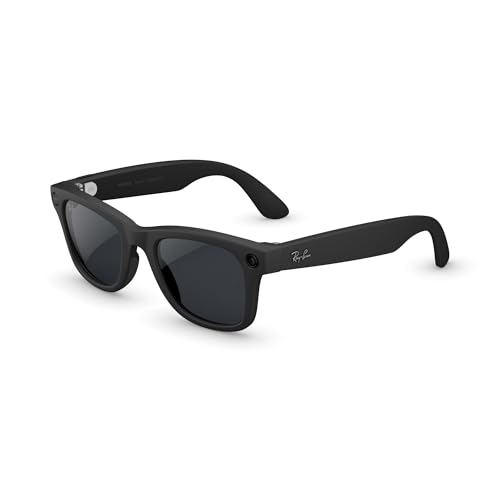
#1 SELLING AI GLASSES - Tap into iconic style for men and women, and advanced technology with the newest generation of Ray-Ban Meta smart AI glasses. Capture photos and video recordings, listen to music, make hands-free calls or ask Meta AI questions on-the-go.

#1 SELLING AI GLASSES - Tap into iconic style for men and women, and advanced technology with the newest generation of Ray-Ban Meta smart AI glasses. Capture photos and video recordings, listen to music, make hands-free calls or ask Meta AI questions on-the-go.

#1 SELLING AI GLASSES - Tap into iconic style for men and women, and advanced technology with the newest generation of Ray-Ban Meta smart AI glasses. Capture photos and video recordings, listen to music, make hands-free calls or ask Meta AI questions on-the-go.
Choosing the Right Eyewear for Blue Light vs UV Protection
Choosing the right eyewear for blue light and UV protection can feel a bit confusing with all the options out there. If you’re someone who spends a lot of time in front of screens, I highly recommend considering blue light glasses—they can block a substantial amount of blue light and really help ease that annoying digital eye strain. For example, if you’re working late at your computer, slipping on a pair of these glasses can make your eyes feel a lot less tired at the end of the day.
On the other hand, when you’re heading outdoors, don’t forget about UV protection glasses. These are crucial for shielding your eyes from harmful UV rays, which can lead to problems like cataracts over time. Think about it this way: if you’re going for a hike or just enjoying a day at the beach, grabbing sunglasses with UV protection should be at the top of your list. Many blue light glasses also come with an anti-glare feature to further reduce discomfort during prolonged screen use.
Recommended Products

GUNNAR produces the only blue light blocking computer and gaming glasses with Patented Lens (#9417460) Technology that is recommended by doctors to protect and enhance your vision.

✅Eyes Moisturizing Effect : Our glasses adds a physical moisturizing silicone ring to slow down the evaporation of moisture in the eyes and effectively solve the problem of dry eyes.The humidity and temperature of the water box can be adjusted by filling the reservoir with water, heating and freezing the Tourmaline.

TRANSFORM YOUR SLEEP & HABITS: The Hack Your Sleep Bundle. Say Goodbye to Sleepless Nights and Bad Habits. Are you struggling with poor sleep and unproductive habits? Our exclusive bundle combines the transformative power of Swanwick Sleep’s Night Swannies and the ‘47 Day Habit Hacker’ program.
Common Myths About Blue Light and UV Light Explained
You know, a lot of folks are surprised to find out that there are some common myths floating around about blue light and UV light. For one, blue light, which comes from our screens, isn’t the same thing as UV light—it’s actually outside the visible spectrum and is mostly found in sunlight. It’s pretty surprising that many people think blue light only comes from digital devices when natural sunlight and even LED bulbs contribute to it too!
Another thing to keep in mind is that blue light glasses don’t actually protect against UV rays. While they can help ease some eye strain from staring at screens for too long, they won’t shield your eyes from the harmful UV rays that can cause serious problems like cataracts down the line. So when you’re choosing eyewear, remember: use UV protection glasses when you’re outside in the sun and stick with blue light glasses for those extended screen sessions. It’s all about being smart with your eye care!
Now, let’s think about how to protect our eyes in other ways, especially when we spend so much time indoors and outdoors alike. Wearing yellow tinted blue light glasses can reduce eye strain and improve sleep quality during evening screen use.
Frequently Asked Questions
Which Is More Harmful, UV or Blue Light?
As the saying goes, “an ounce of prevention is worth a pound of cure.” We’d say UV light effects are more harmful than blue light exposure, causing serious long-term damage beyond just digital eye strain.
Is a Blue Light the Same Thing as a UV Light?
No, blue light isn’t the same as UV light. While blue light sources come from screens, UV light types include UVA, UVB, and UVC, each having distinct health effects on our skin and eyes.
Are Some People More Sensitive to Blue Light Than Others?
Like a unique fingerprint, our sensitivity to blue light varies. Individual differences, age-related changes, and existing eye health issues can amplify this sensitivity, making some of us more susceptible to discomfort and visual disturbances than others.
Is There a Downside to Blue Light Glasses?
Yes, there’re downsides to blue light glasses. While they offer benefits, myths about their necessity can lead to over-reliance. We shouldn’t forget proper blue light usage and other eye care practices for overall health!


