As an Amazon Associate, we earn from qualifying purchases. Some links on this site are affiliate links at no extra cost to you. Our recommendations are based on thorough research and editorial judgment.


What UV400 Means: Labels, Standards, and Common Confusion

When we see “UV400” on sunglasses, it means they block nearly 100% of UVA and UVB rays, which is essential for eye protection against harmful sunlight. It’s like putting on an invisible shield for our eyes! Many folks confuse dark lenses with UV protection, but that’s not enough—always check the label. Investing in quality sunglasses isn’t just stylish; it’s a smart move. Stick with us, and we’ll break down more details on finding the perfect pair!
Key Takeaways
- UV400 indicates sunglasses block nearly all UVA and UVB rays, providing essential protection against harmful UV radiation.
- Look for the UV400 label to ensure effective UV protection; vague terms like “UV absorbing” are insufficient for quality assurance.
- Dark lenses do not guarantee UV protection; pupils dilate in shade, potentially exposing eyes to harmful rays without proper labeling.
- Sunglasses without the UV400 label may allow significant UV exposure, leading to eye damage over time.
- Always test sunglasses for UV protection before purchasing, using UV flashlights or visiting professionals equipped with photometers.
What Are UV Rays and Why Is UV400 Important?

You may be interested


You know how we often hear about those pesky UV rays that the sun emits? Well, they come in three forms: UVA, UVB, and the less harmful UVC. While UVA and UVB can definitely wreak havoc on your skin and eyes, that’s why having UV400 sunglasses is so important—they can block out 99% to 100% of these harmful rays, keeping your eyes protected.
Funny enough, a lot of sunglasses that boast about offering “100% UV protection” don’t actually block out all of the dangerous rays. In fact, nearly 40% of daylight UV radiation can still sneak through! UV400 sunglasses are specially designed to filter wavelengths up to 400 nanometers, which means you’re getting complete coverage when you wear them. Choosing sunglasses with polarized lenses can further enhance eye protection by reducing glare and improving visual comfort.
What’s the Deal With UVA, UVB, and UVC Rays?

Hey there! Let’s chat about UV rays—specifically UVA, UVB, and UVC. You might have heard these terms thrown around, but they can be a bit confusing. So here’s the scoop: UVC rays, which range from 190 to 290 nanometers (nm), are mostly absorbed by our atmosphere. Lucky for us, that means we don’t really have to worry about them!
Now, moving on to UVB rays, which sit between 290 and 320 nm. These guys are a bit more trouble since they mainly affect the top layers of our skin. Exposing yourself to too much UVB can lead to painful sunburns, and there’s also a link to skin cancer. For instance, if you forget to put on sunscreen during a day at the beach, you might feel that sting later on.
And let’s not ignore UVA rays, which range from 320 to 400 nm. They actually penetrate deeper into your skin, and prolonged exposure can even lead to eye problems like cataracts. This is why finding sunglasses with UV400 protection is super important; they block out harmful rays and keep your eyes safe while you’re soaking up that sunshine. So, when you’re picking out your summer gear, remember to prioritize that UV protection! Sunglasses labeled with UV400 standards ensure 100% protection against both UVA and UVB rays for maximum eye safety.
How UV400 Protects Against Harmful Light Exposure

Hey there! You know, it’s pretty fascinating just how important UV400 protection is for our eyes. Those high-quality lenses block nearly all harmful UVA and UVB rays—like, 99% to 100%! This essentially means you’re protected from ultraviolet radiation up to 400 nanometers. So, when you wear UV400 sunglasses, you’re really cutting down on the risk of sun-related eye damage, such as cataracts and macular degeneration. It’s quite the relief, isn’t it?
Now, here’s something you might not realize: just because lenses are dark doesn’t mean they protect you from UV rays. In fact, darker lenses can dilate your pupils, potentially letting in more harmful light. This is why it’s crucial to look for that UV400 rating on your sunglasses. The American Optometric Association even suggests wearing these lenses year-round for optimal eye health—perfect for outdoor adventures, right?
Next time you grab a pair of sunglasses, keep an eye out for that UV400 protection. It’s a simple step that goes a long way in keeping your eyes safe. Speaking of outdoor adventures, let’s chat about some fun activities you can enjoy while protecting your vision!
For the best experience, consider sunglasses that combine UV400 protection with polarized lenses to minimize glare and enhance clarity.
Recommended Products

Handcrafted Japaneese acetate/titanium frame with Matsuda signature engravings
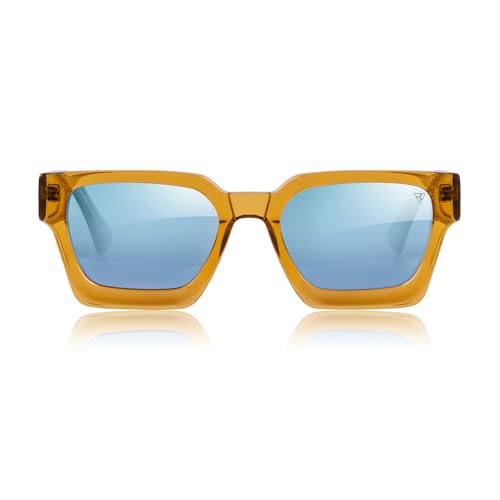
Built for daylight: Quietly amber inside, boldly reflective outdoors. Long-Lasting Luxury eyewear; premium-quality name with a 2-year warranty. Our mens designer sunglasses have high-end durability & out-of-this-world comfort. Women's sunglasses & eyewear accessories too, a supreme addition for luxury, urban, and streetwear wardrobes

Built for daylight: Quietly amber inside, boldly reflective outdoors. Long-Lasting Luxury eyewear; premium-quality name with a 2-year warranty. Our mens designer sunglasses have high-end durability & out-of-this-world comfort. Women's sunglasses & eyewear accessories too, a supreme addition for luxury, urban, and streetwear wardrobes
The Role of Lens Material in UV Protection
Hey there! You know, lens material is super important when it comes to UV protection, and knowing a bit about it can really help you make better choices when picking out sunglasses. For instance, high-quality materials like polycarbonate actually block harmful UV rays all on their own—no extra coatings needed! That means they can offer UV400 protection, which is fantastic because it keeps almost all UV radiation away from your eyes.
On the other hand, if you choose cheaper lenses, they often rely on coatings that can wear off over time. Imagine buying sunglasses that promised to protect you, and then months later, you realize you’re no longer getting that protection. Scary, right? This is especially crucial for kids since their eyes are more sensitive to UV damage. Next time you’re out shopping for shades, keep an eye out for those durable lens materials. They’re a simple way to ensure you and your family are getting solid UV protection.
And speaking of protection, let’s dive into why it’s just as important to consider frame style when you’re selecting sunglasses! For example, wrap-around styles provide better coverage and block more peripheral UV rays, enhancing overall eye protection during outdoor activities.
Recommended Products

Ultra HD lenses manufactured from high-impact resistant and lightweight polycarbonate

Click the Maui Jim link above to visit our brand store, where you can find our entire catalog of sunglasses

Anti-corrosive traditional hinge
How to Spot Quality Sunglasses
Choosing quality sunglasses can seem like a daunting task, right? With so many different styles and brands out there, it’s easy to get lost in the options. To help you make a smart choice, let’s start with something you can easily spot: the UV400 label. This little tag means the sunglasses can block both UVA and UVB rays all the way up to 400 nanometers, which is pretty impressive!
Now, don’t just settle for vague claims like “UV absorbing.” Instead, look for specific protection statements like “100% UVA/UVB protection.” It’s super important because, believe it or not, dark tints without UV protection can be dangerous! They might actually let more harmful rays in when your pupils dilate in the shade. So, if you find a pair with a cool dark tint, make sure they have the proper UV protection, too.
Here’s a quick tip: hold the lenses at arm’s length and examine them. If you see any distortion, that’s a clear sign the lens quality isn’t up to par, and you should keep looking. And don’t forget about the fit! Sunglasses should sit comfortably on your face and offer good coverage. If they leave gaps, UV rays can sneak in around the edges, which totally defeats their purpose. For the best eye protection, aim for lenses with UV400 protection to ensure nearly 100% blockage of harmful rays.
Recommended Products
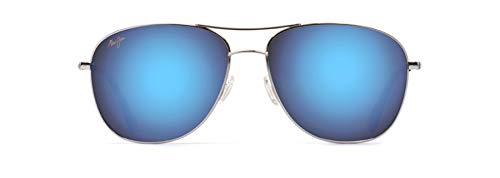
Click the Maui Jim link above to visit our brand store, where you can find our entire catalog of sunglasses

Iconic Design & Ultimate Protection: The unmistakable Gucci logo on the temples of these sunglasses adds a touch of brand prestige and luxury, showcasing the brand’s iconic design expertise. A subtle yet bold statement of style, the logo ensures these sunglasses are instantly recognizable and effortlessly elevate your look. Additionally, these sunglasses offer 100% UV protection, keeping your eyes shielded from harmful rays while you stay stylish.

Click the Maui Jim link above to visit our brand store, where you can find our entire catalog of sunglasses
Debunking Myths Surrounding Sunglass UV Protection
Did you know that not all sunglasses with dark lenses actually protect your eyes from harmful UV rays? It sounds surprising, but it’s true! When your pupils get bigger in low light conditions, those sneaky rays can slip in and cause damage. That’s why it’s super important to look for sunglasses that say “UV400” on the label. This means they block 100% of UVA and UVB rays up to 400 nanometers.
Just because a pair of shades is expensive doesn’t mean they’ll necessarily give you great UV protection. In fact, you might be shocked to find that some budget-friendly sunglasses offer better eye protection than pricier options. So, before you make a purchase, always check for that UV400 label. Your eyes will really appreciate the extra attention!
And remember, protecting your eyes isn’t just a summer thing. Whether it’s sunny or cloudy, UV rays can still reach you. So, keeping an eye out for proper UV protection is key year-round! Choosing sunglasses with polarized lenses also helps reduce glare and enhances visual clarity, making them ideal for outdoor activities.
How to Test Your Sunglasses for UV Protection?
Hey there! So, you want to make sure your sunglasses really provide solid UV protection, right? Well, there are some straightforward ways to check if they’re actually doing their job. The first thing to look for is that shiny UV400 label or a bold mark saying “100% UVA/UVB protection” on the lenses. That’s a quick and easy sign that your sunglasses block harmful rays effectively.
If you’re feeling a bit more adventurous, you could grab a UV flashlight. Just shine it through the lenses; if the light comes through easily, that’s a red flag! Another great option is to visit an optician equipped with a photometer, which will give you a precise measurement of how well your lenses block UV light. And if you really want to be thorough, check if your sunglasses came with a Certificate of Analysis from the manufacturer, as that backs up those UV protection claims.
Oh, and don’t forget about your older shades! They can lose their effectiveness over time, so it might be a good idea to retest them. Keeping your eyes protected from harmful UV rays is super important, so being proactive with your sunglasses is a smart move. Speaking of which, when you’re out shopping for new shades, let’s talk about styles that also offer great protection! Many quality sunglasses now come with polarized lenses that significantly reduce glare and improve visual clarity in bright outdoor conditions.
Recommended Products

All Maui Jim sunglasses feature PolarizedPlus2 lens technology that go beyond shielding your eyes from glare and harmful UV rays by enhancing colors to reveal the true beauty of the world around you

All Maui Jim sunglasses feature PolarizedPlus2 lens technology that go beyond shielding your eyes from glare and harmful UV rays by enhancing colors to reveal the true beauty of the world around you

All Maui Jim sunglasses feature PolarizedPlus2 lens technology that go beyond shielding your eyes from glare and harmful UV rays by enhancing colors to reveal the true beauty of the world around you
Why Frame Design Matters for Eye Safety
Hey there! You know, frame design is actually super important when it comes to keeping our eyes safe. When you’re picking out sunglasses, going for oversized or wraparound styles is a smart choice. They not only look cool but also provide more coverage, blocking that annoying peripheral light that sneaks in and can increase UV exposure. If your glasses don’t fit right, they can let harmful rays come in from the sides, which makes all the fancy lens technology pretty much pointless.
Also, let’s talk materials for a second. If you’re snagging some budget frames, just keep in mind that they might not hold the lenses as tightly, which is a big deal for preventing UV rays from getting through. You might want to regularly check how your shades fit and ensure the lenses are clear too. It could save you a lot of hassle later on—like an unexpected visit to the optometrist. So next time you’re out shopping for sunglasses, remember: a good fit equals better eye protection! Choosing frames made from durable materials like TR90 and polycarbonate ensures both a secure lens fit and long-lasting performance.
Where to Buy Reliable UV400 Protected Sunglasses
If you’re on the hunt for reliable UV400 protected sunglasses, you’ve come to the right place! Protecting your eyes from harmful UV rays is super important, and luckily, there are lots of great options out there. Start by checking out reputable optical shops or specialized online stores—these places usually have sunglasses that really offer UV400 protection. Remember to look for that UV400 label, which tells you they block harmful UV radiation up to 400 nanometers, including both UVA and UVB rays.
Some brands, like HexArmor and ZEISS, are really trusted when it comes to UV protection, as they promise 100% UV blocking. You might also want to shop from retailers that give you a Certificate of Analysis (CoA); that way, you can confirm their claims about UV protection. Just a heads-up: it’s best to stay away from vendors who aren’t verified. You don’t want to fall for misleading claims about UV protection!
In the end, finding a good pair of UV400 sunglasses doesn’t have to be a hassle. Once you find a pair you love, you’ll not only keep your vision safe but also look stylish while doing it! So, let’s take a closer look at what features to keep an eye out for when choosing your perfect shades. Additionally, considering polarized lenses can greatly enhance glare reduction and improve visual clarity in bright outdoor conditions.
Recommended Products

FRAME FEATURES: PO3223S feature a square, brown frame, with green polarized lenses and the Meflecto flex hinge system for added comfort. 100% UV PROTECTION: To protect your...
Frequently Asked Questions
What Does UV400 Mean?
When we explore UV protection benefits, UV400 means our sunglasses provide superior defense against harmful UV rays. Popular brands guarantee UV400 testing methods verify their effectiveness, keeping our eyes safe whether we choose polarized lenses or various materials.
How Do You Test if Your Sunglasses Are Actually UV400?
To test if our sunglasses are UV400, we should check certification labels, perform a DIY UV test, or seek lab testing equipment. Understanding lens coatings is essential for ensuring quality and the importance of UV protection.
Is CE the Same as UV400?
No, CE certification isn’t the same as UV400. While CE indicates compliance with safety regulations, it doesn’t confirm lens protection against UV radiation. We should check sunglasses labels for specific UV categories to verify best eye safety.
Which UV Standard Offers the Most Protection in UV400?
For maximum UV protection levels, we should choose sunglasses with UV400 certification. Considering photochromic lenses and polarized sunglasses benefits guarantees we’re protecting our eyes wisely against harmful UV radiation effects. Let’s select our eyewear carefully!


