As an Amazon Associate, we earn from qualifying purchases. Some links on this site are affiliate links at no extra cost to you. Our recommendations are based on thorough research and editorial judgment.


Smart Glasses Privacy Basics: What Can Be Recorded and When

When it comes to smart glasses, there’s more than meets the eye! These devices can record both video and audio, often without anyone noticing, which raises some serious privacy concerns. Imagine capturing someone’s private conversation—yikes! In many places, you may need consent to record, especially in public. It’s mind-blowing how tech can make us more connected but also a bit sneaky. Stick around, and we’ll explore how to stay respectful and informed about smart glasses usage!
Key Takeaways
- Smart glasses can discreetly record audio and video without others’ knowledge, raising significant privacy concerns.
- Recording in public spaces may require consent based on local privacy laws, particularly in two-party consent jurisdictions.
- It’s unethical to record sensitive situations without consent, potentially leading to legal consequences.
- Organizations should establish clear policies and rules for the use of smart glasses to protect privacy in workplace settings.
- Detection tools and apps can help identify unauthorized recording, promoting awareness and trust in public spaces.
What You Need to Know About Smart Glasses

You may be interested
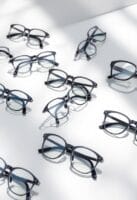


Hey there! So, you know those smart glasses that everyone seems to be talking about? They’re like a really cool pair of eyewear, but they come with a bunch of high-tech features that might just surprise you. For instance, these smart glasses can record audio and video—sometimes without the people around even realizing it. That can definitely raise some eyebrows and stir up privacy concerns. Just picture this: someone secretly filming you during a private moment, all while they’re casually wearing what seems like a trendy accessory!
But it gets even more complex. Many smart glasses use AI for facial recognition, which opens up a whole new can of worms when it comes to ethics and privacy rights. For example, imagine if your colleague is using their smart glasses at work—they might be capturing footage without your consent, which is a major red flag in the workplace. Companies need to stay on top of privacy regulations to make sure everyone’s rights are respected, right?
As cool as this technology is, we’ve really got to think about the implications and how it affects our privacy. It’s always good to stay informed, especially if you think about getting a pair of these smart glasses yourself! So, let’s look into exactly how these glasses work and what features they offer. Many models come equipped with advanced stabilization technology to ensure smooth and clear video recordings, which makes covert recording even easier.
Recommended Products

▶【Perforate Acoustically Sound Transparent】The BELOW BLACK BORDER adds a perforated design, which satisfies the customer's pursuit of stereo effects, and achieves a more stereoscopic effect;The Screen size:120-inch Diagonal:16:9 Aspect Ratio;Standard View Area :104.57"Wx58.82"H;G.W.(Ibs):72.75;Screen Material: ULTRA-SHORT THROW AMBIENT LIGHT REJECTING; Projector Throw Type: ONLY compatible for ULTRA-SHORT THROW LASER PROJECTOR;Offer 110V voltage;Anti-light direction: The light above the screen;

▶【Perforate Acoustically Sound Transparent】The BELOW BLACK BORDER adds a perforated design, which satisfies the customer's pursuit of stereo effects, and achieves a more stereoscopic effect;The Screen size:100-inch Diagonal:16:9 Aspect Ratio;Standard View Area :87.17”Wx49.02"H;G.W.(Ibs):61.73;Screen Material: ULTRA-SHORT THROW AMBIENT LIGHT REJECTING; Projector Throw Type: ONLY compatible for ULTRA-SHORT THROW LASER PROJECTOR;Offer 110V voltage;Anti-light direction: The light above the screen;

16 Ch. 4K H. 265 IP NVR with built-in 16 RJ45 PoE Ports
Privacy Risks of Recording With Smart Glasses
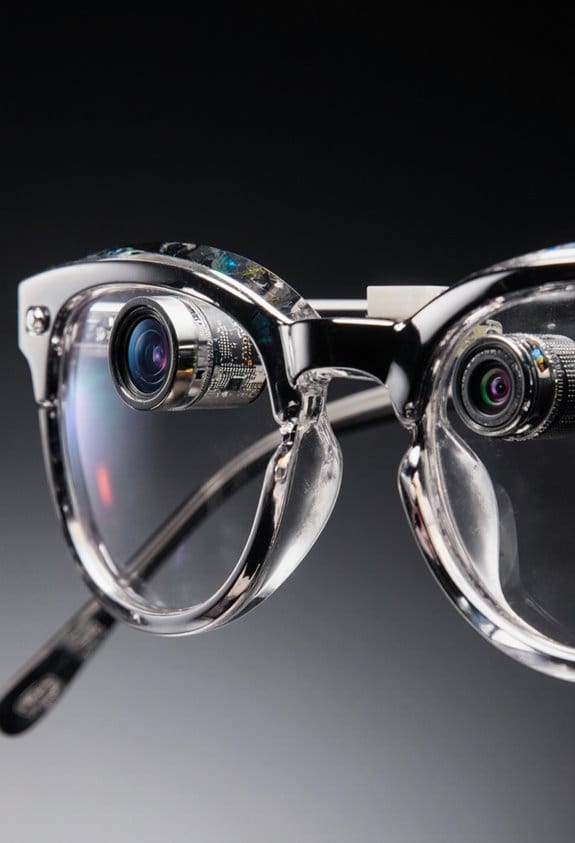
Hey there! Have you ever thought about the privacy risks of recording with smart glasses? These nifty gadgets come packed with technology that can create some serious headaches when it comes to privacy. Picture this: you’re wearing a pair of these glasses and they automatically start capturing video and audio without anyone knowing. It’s kind of a scary thought, right?
Think about places like cafes or parks—where people expect a bit of privacy. Imagine someone recording a personal conversation or a sensitive moment without any visible indication that it’s happening. That can lead to all sorts of legal issues, especially in places where both parties need to agree to be recorded. That’s a fine line to walk! And without clear guidelines on how to use these smart glasses, there’s real potential for misuse, particularly impacting communities that are already facing heightened surveillance.
Plus, with tech like facial recognition making huge leaps forward, using these devices gets ethically tricky. For a concrete example, let’s say someone records a group of folks at a protest without their consent—talk about a breach of trust! It’s definitely worth taking a moment to think about what this means for our privacy before we start rocking the latest smart specs. So, what do you think? Are smart glasses worth the risks?
In addition, it’s important to consider how lightweight and comfortable devices with impact resistance can encourage longer usage times, potentially increasing privacy exposure risks.
Recommended Products

An open office solution designed with speed in mind-Maximize your workspace with our 4 person standing office desk!

【Processor】 Intel Core i5-10400 (2.9 GHz, with a maximum turbo frequency of 4.3 GHz, featuring 6 cores)

6.7inch Super Retina XDR display. Aluminum with color-infused glass back. Ring/Silent switch
Scope of Data Captured by Smart Glasses: What You Should Know

Hey there! You know, smart glasses are pretty cool gadgets that can really enhance our daily experiences. But have you ever thought about just how much data these glasses can actually collect? They often come with built-in cameras and microphones that can start recording without any noticeable signs. That’s a little worrying, right? Imagine if they accidentally pick up a private conversation or a personal moment. Suddenly, your everyday life feels a bit less private.
And get this: many smart glasses are now using facial recognition technology. This means they can potentially track people without their knowledge or consent. It’s wild to think about, but it raises significant privacy issues. For example, if you’re out in public, your voice might be captured, and your face could be recognized and logged somewhere, all without you even realizing it. Plus, all that recorded data often gets sent to external servers for analysis, which can lead to unauthorized access and breaches. Many smart glasses also feature beamforming microphones that enhance audio capture, which can increase the amount of detailed personal information recorded.
Recommended Products
[Advanced Soundproofing] Equipped with 2 layers of soundproof laminated glass and a 6-layer Acoustic Insulation Structure (Aluminum frame structure, Film-laminated Steel Panel, PET Sound-absorbing Board, Eco-friendly Acoustic Panel, Premium Textured Fabric), the booth achieves a 35dB (±5dB) noise reduction, creating a peaceful and private workspace.

【Multi-Scene Versatility】:Ideal for offices, school libraries, homes, subways, shopping malls, and more—perfect for studying, brainstorming, homework, online classes, meetings, and conference calls.

UNOPENED RETAIL PACKAGING, sold as configured by Lenovo. Includes one year of Courier or Carry-in Lenovo Warranty. Add up to 4 years Lenovo Premium Care Onsite Plus when you register your computer with Lenovo.
What Are the Legal Dynamics of Recording With Smart Glasses?
When it comes to recording with smart glasses, the legal landscape can get pretty complicated. Depending on where you are in the U.S., privacy laws can really differ. Take California, for example—it requires two-party consent for both audio and video recordings. This means if you want to capture something with your smart glasses, you need to get permission from the person you’re recording. Isn’t it wild how some states, like Texas, only need one-party consent? It’s like navigating a maze of laws!
Now, if your smart glasses have facial recognition features, you have to be extra cautious. Failing to get proper consent could lead to serious trouble, like lawsuits or hefty fines. For instance, if you work for a company that uses this tech at events, make sure you have clear signage or announcements about recording. It’s all about respecting people’s privacy while enjoying the benefits of smart glasses.
Understanding these legal dynamics isn’t just important—it’s essential before you start recording. Additionally, some models, like the Ray-Ban Meta Wayfarer Smart AI Glasses, integrate advanced technology including a 12 MP camera, which can amplify privacy concerns if used improperly.
So, keep these things in mind to stay on the right side of the law! Speaking of which, let’s chat about the ethical considerations that come into play when using such technology.
How Should Workplaces Handle Smart Glasses?
So, have you heard about smart glasses making their way into workplaces? It’s pretty exciting, but we definitely need to set some clear guidelines for using them. For starters, it’s important to have a workplace policy that lays out when and where people can wear these devices. Just think about it—no one wants to be caught recording something private in a restroom or break room, right?
And we can’t forget about privacy laws, like California’s CCPA, which ensures we protect everyone’s personal information. It’s crucial! To keep everyone on the same page, regular training sessions can help workers understand the risks tied to these new gadgets. For example, hosting workshops where employees role-play scenarios involving smart glasses could be a fun and informative way to highlight privacy concerns while also fostering team bonding.
Keeping the excitement for this tech in check while respecting our colleagues’ privacy is key to maintaining a good work environment. Speaking of work environments, let’s chat about how technology changes the way we collaborate and communicate with each other! Additionally, ensuring devices have impact-resistant designs can help maintain durability and user comfort throughout the workday.
Recommended Products

ANSI Z87.1-2015 Certified Protection: High-impact polycarbonate lenses with anti-fog coating and 99.9% UV protection meet ANSI Z87.1-2015 standards; Permanent side shields provide 180-degree eye protection against debris, splashes, and projectiles

PRIUM RADIATION PROTECTION — Equipped with high-quality, distortion-free SF-6 Schott glass lenses offering 0.75mm Pb lead equivalency, these FitProtek glasses ensure robust radiation safety.

AWARD-WINNING SAFETY — Red Dot Design Award 2026 Winner and the first ANSI Z87.1-certified smart safety glasses. The TR90 frame is engineered for all-day comfort and built to meet U.S., EU, and Canadian safety standards.
How to Protect Your Privacy Around Smart Glasses
You know, protecting our privacy around smart glasses is actually more important than we might think. These gadgets can record video and audio without any obvious lights or indicators, which means someone could capture sensitive conversations without us even realizing it. It’s a bit unsettling, right? So, how can we be smart about this?
First off, let’s start by checking out the company policies on using smart glasses in places like meetings or events. Engaging in conversations about whether it’s okay to use these devices can really help create an atmosphere of respect. For example, if you’re in a work meeting, bringing up the idea of having ‘no-wearable’ zones can help everyone feel more at ease.
Another practical step is to use detection tools or apps designed to spot these recording devices. There are apps on the market that can help you identify if anyone might be trying to record your conversations without your consent. Staying aware is key.
Additionally, understanding features like open-ear Bluetooth speakers can help you recognize when smart glasses are actively in use, aiding privacy vigilance.
Recommended Products

All-in-One Washer & Dryer Combo: Wash and dry in a single unit—no load transfer required; ideal for apartments, condos, and space-limited laundry areas.

Multisport GPS smartwatch with built-in inReach technology for two-way satellite and LTE connectivity (active subscription required; coverage limitations may apply; some jurisdictions regulate or prohibit the use of satellite communication devices)

3-in-1 Robot Vacuum, Vacuums, Sweeps, and Mops in One Pass: Experience a new level of clean with 11500Pa of ultra-strong suction powerful enough to lift embedded pet hair, crumbs, and debris from both carpets and hard floors. The integrated 230ml water tank and 240ml dustbin work simultaneously to tackle dry and wet messes, ensuring a thorough clean across your entire home without switching modes
Understanding Social Norms and Etiquette for Using Smart Glasses in Public
Hey there! Have you ever thought about how using smart glasses in public really shifts our interactions? It’s pretty fascinating to see how this wearable technology affects the way we connect with others. But there’s a lot more to it than just convenience; we need to keep social norms and privacy laws in mind. For example, in California, it’s illegal to record someone without their consent. That means you’ll need to make sure everyone around you is okay with being filmed—so always check in before hitting that record button!
Imagine sitting at a café, and you accidentally catch a stranger having a private moment on your smart glasses. Yikes, right? That’s definitely not cool! A simple way to avoid awkwardness is to openly communicate why you’re recording. Just letting people know what you’re up to can build trust and make everyone feel more at ease.
Organizations also play a role here by setting up guidelines to prevent accidental invasions of privacy. They can provide clarity on what’s acceptable when using smart glasses in public spaces. The bottom line? It’s all about respecting those around us while we enjoy these incredible tech advancements. So, keep these etiquette tips in mind as we navigate this new frontier together! Also, choosing devices with scratch-resistant lenses helps maintain clear visibility, reducing privacy concerns during use.
Looking Ahead: Future Innovations in Smart Glasses Privacy Standards
You know, with smart glasses becoming more popular every day, it’s important to chat about the privacy issues they bring along. As these devices evolve, we’re likely to see some really interesting innovations aimed at improving user consent. For instance, imagine if every time your glasses started recording, a little light lit up to say, “Hey, I’m recording!” – it’s a straightforward way to keep people in the loop about what’s going on.
And when it comes to facial recognition, future protocols might need you to give a thumbs-up before the device can identify anyone. This way, users have more control over their privacy. Plus, there’s a move toward handling more processing tasks right on the glasses themselves rather than sending everything to the cloud. This means less data floating around in cyberspace, which is definitely a win for privacy.
It’s fascinating to think about how all these features could make smart glasses safer for users. As we continue to talk about the future of these devices, let’s also consider how they might change our daily interactions with technology and the people around us. Integrating polarized lens benefits in smart glasses could also enhance visual clarity while protecting user privacy.
Frequently Asked Questions
Are Smart Glasses Always Recording?
Smart glasses aren’t always recording; they depend on user consent and settings. We should be mindful of privacy concerns and guarantee recording notifications are clear, especially regarding data storage and our rights as users.
Can People Tell When You’re Recording With Meta Glasses?
No, people can’t always tell when we’re recording with Meta glasses. For example, if we disable indicator lights, nearby individuals may not realize their privacy’s compromised, raising significant privacy concerns and user consent issues around recording notifications.
How Long of Videos Can You Record on Ray-Ban Smart Glasses?
We can record videos up to 30 seconds on Ray-Ban Smart Glasses, balancing video length limits with recording quality features. With storage capacity options available, we should still consider user privacy concerns when capturing moments.
How Do Meta Glasses Look When Recording?
Imagine a lighthouse guiding ships; when Meta glasses record, the LED indicator shines brightly, alerting surroundings. This clever design helps protect user privacy, showcasing how camera functionality aligns with ethical recording practices.


