As an Amazon Associate, we earn from qualifying purchases. Some links on this site are affiliate links at no extra cost to you. Our recommendations are based on thorough research and editorial judgment.


Dry Eye and Screen Time: What’s Happening and Why It’s Common

Excessive screen time is a mind-blowing culprit behind our dry eye issues! We blink roughly 60% less while focusing on screens, dropping from 15-20 times per minute to just 5-7 blinks. This leads to uneven tear distribution, causing irritation and discomfort—talk about a frustrating situation! Over 60% of adults feel these effects, especially with additional environmental factors like air conditioning. Curious to learn about effective treatments and tips for maintaining eye health? Stick around for more insights!
Key Takeaways
- Excessive screen time significantly reduces the blinking rate, dropping it from 15-20 blinks per minute to only 5-7 blinks.
- Reduced blinking leads to uneven tear film distribution, resulting in dry eye symptoms such as stinging, burning, and irritation.
- Nearly 60% of adults experience Computer Vision Syndrome (CVS), characterized by dry eyes, blurred vision, and light sensitivity due to prolonged screen use.
- Strategies like the 20-20-20 rule, increased hydration, and using artificial tears can alleviate dry eye symptoms during screen time.
- Regular eye check-ups are crucial for managing persistent dry eye symptoms and maintaining overall eye health in a digital environment.
Why Excessive Screen Time Leads to Dry Eyes

You may be interested



Hey there! Have you ever thought about how excessive screen time can lead to dry eyes? It’s pretty surprising, but when we spend hours staring at our devices, we tend to blink much less—by about 60%! Normally, we blink around 15-20 times per minute, but that can drop to just 5-7 times when we’re focused on our screens.
This reduced blinking means our tears don’t get distributed as they should, leaving our eyes feeling dry and irritated. If you’re in an air-conditioned room, like an office, it gets even worse because the cool air can evaporate tears faster. For instance, after a long video call or binge-watching your favorite show, you might notice some irritation or even blurred vision, right?
To help with this, try keeping your screens at least 20 inches away from your eyes and take breaks every 20 minutes to look away for 20 seconds. This little habit can make a big difference in how comfortable your eyes feel. It’s a simple fix for a clearer view and can really help your eye health in the long run! Wearing blue light blocking glasses can further reduce eye strain and improve comfort during extended screen time.
How Reduced Blink Rate Contributes to Dry Eye Symptoms
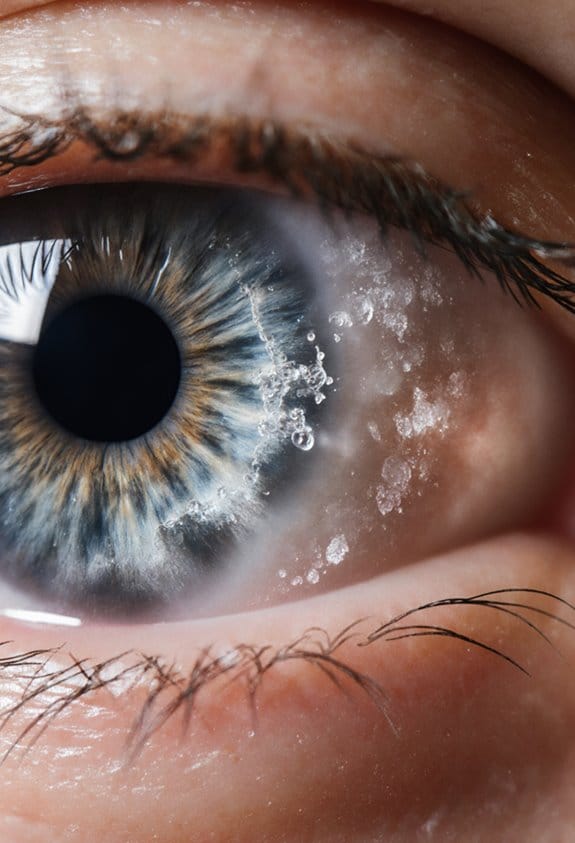
Hey there! Did you know that our reduced blink rate when we’re glued to screens can really affect how our eyes feel? It’s pretty wild—our blink rate usually hovers around 10 to 12 times a minute, but it plummets to just 5 times when we’re staring at a computer or phone. This drop leads to uneven spreading of our tear film, which can cause our eyes to feel dry and uncomfortable.
Think about it: when you’re focusing on something like a movie or a long article, you might not blink as often as you should. This means your eyes aren’t getting the moisture they need, which can leave that gritty, irritated feeling behind. For example, if you’ve ever felt those annoying symptoms after hours of gaming or working on a project, you can blame it on that lack of blinking. So, it’s super important to take regular breaks and remind yourself to blink more often.
The next time you find yourself caught up in a screen, try setting a timer or doing a quick eye exercise every 20 minutes. Not only will your eyes thank you for it, but you’ll likely feel more focused too! Now, let’s talk about some other easy eye care tips you can incorporate into your daily routine. Using blue light blocking glasses can also help reduce eye strain and improve overall comfort during prolonged screen time.
Common Symptoms of Dry Eye From Screen Use

Hey, have you ever noticed how dry eye symptoms can creep up on us when we’re glued to our screens? It’s crazy, but when we’re focused on our devices, our blink rate can drop by nearly 60%, leading to that annoying stinging or burning sensation. You might also experience that gritty feeling, which happens because our tear film isn’t doing its job due to decreased blinking.
After a long day of watching your favorite shows or tackling work tasks online, you may see some redness or irritation. Blurred vision can sneak in too—blink a few times, and it often clears right up. Plus, don’t forget about light sensitivity or even watery eyes. Those tears are your eyes’ way of trying to fight back against dryness. It’s super important to catch these signs early so you can find the right way to treat dry eyes!
Next time you’re working at the computer or binge-watching, try to take regular breaks—maybe look away from the screen every 20 minutes or so. That little change can help keep your eyes feeling better! Using blue light blocking glasses can also reduce eye strain and protect your vision during prolonged screen time.
What You Need to Know About Computer Vision Syndrome?
Hey there! Let’s talk about Computer Vision Syndrome, or CVS for short. Did you know that nearly 60% of us adults who spend a lot of time in front of screens experience this? It’s pretty surprising how much our devices can strain our eyes, isn’t it? Symptoms can include everything from blurred vision—something that often gets better with a good blink—to dryness and light sensitivity.
One interesting thing to note is that when we focus on our screens, our blink rate drops significantly—from about 15-20 times a minute down to just 5-7 blinks! That’s a big reason why our eyes feel dry and tired. To tackle CVS, try adjusting your workspace for comfort: make sure your screen is at eye level and about an arm’s length away. And don’t forget to give your eyes a break. A quick rule of thumb is the 20-20-20 rule: every 20 minutes, look at something 20 feet away for at least 20 seconds.
Also, consider using artificial tears if your eyes feel particularly dry. These steps can really help keep that discomfort at bay! Using blue light blocking glasses can also reduce eye strain by filtering harmful screen light.
So, let’s aim for eye comfort as we navigate our digital lives. What else would you like to know about keeping your eyes healthy?
Environmental Factors That Worsen Dry Eye
Dry eye symptoms can really put a damper on our daily activities, especially in our tech-heavy lives. You’d be surprised at how much our environment plays a role in this discomfort. For instance, air conditioning and heating can really zap the moisture from the air, leading to tear evaporation that makes our eyes feel dry and scratchy.
Another thing to consider is humidity. If you live in a dry climate or during winter months, adding a humidifier can make a big difference. It’s like giving your eyes a mini spa day right at home! And don’t forget about lighting—if you find yourself squinting at a bright screen, that’s just adding more strain to your eyes.
Screen placement is also key; if your monitor is positioned poorly, it might expose your eyes to drafts from vents or other irritants, worsening that annoying dry eye feeling. Plus, if you tend to binge-watch your favorite shows in dim light, you’re likely amplifying the discomfort of dry eyes. Creating a balanced workspace with good lighting can truly help keep your eyes feeling more comfortable and fresh. So, it’s all about making small adjustments to your environment to give your eyes the relief they deserve! Using yellow tinted blue light glasses can also reduce glare and ease eye strain during extended screen time.
Proven Strategies to Minimize Dry Eye Symptoms During Screen Use
You know how much we all love our screens, but they can really take a toll on our eyes, leading to those annoying dry eye symptoms. One easy way to tackle this is by using the 20-20-20 Rule. So, every 20 minutes that you’re staring at a screen, take a quick 20-second break to look at something about 20 feet away—like a distant window or a picture on the wall. It sounds simple, but trust me, it can really help your eye health!
Another helpful tip is to remember to blink more often. Did you know that when we’re focused on screens, we blink over 50% less? So, make a conscious effort to blink; it keeps your eyes moist and refreshed. Positioning your screen at least 20 inches away and at eye level can also significantly reduce strain.
And if your eyes still feel dry, consider using preservative-free artificial tears regularly. They’re like a little moisture boost for your eyes! Plus, staying well-hydrated—aim for 8 to 10 glasses of water a day—can really support your tear production.
These small adjustments can make a big difference, especially during long hours of screen time. Using blue light glasses can also help reduce eye strain and improve comfort during extended screen use. Now that we know how to alleviate those dry eye symptoms, let’s explore some additional strategies for eye comfort and health!
Best Treatment Options for Dry Eye Relief
Hey there! If you’re grappling with dry eye symptoms, you’re definitely not alone, and I’ve got some great treatment options to share with you. For a quick fix, lubricating eye drops are your best friend; they can really provide relief for mild to moderate dry eyes. Just think of them as instant moisture for your eyes! When those symptoms stick around longer, you might want to talk to your doctor about prescription medications like lifitegrast or cyclosporine. These meds are designed to reduce inflammation and boost tear production, giving your eyes the TLC they crave.
Now, if you’re experiencing issues related to meibomian gland dysfunction, there are some cool in-office treatments out there. For instance, intense pulsed light therapy can effectively target the underlying causes of your discomfort. Plus, maintaining a daily eyelid hygiene routine is super essential. It’s as simple as gently cleaning your eyelids to keep your tear film healthy and to prevent clogging of those oil glands. And don’t forget, regular visits to your eye care professional are key to staying on top of your dry eye relief journey!
With that in mind, let’s explore some lifestyle changes that can further help manage dry eye symptoms! For example, using blue light blocking glasses during screen time can help reduce eye strain and alleviate dryness.
When to Consult an Eye Doctor for Dry Eye Issues?
Hey there! So, have you been dealing with those annoying dry eye symptoms and wondered when it’s time to see an eye doctor? If you’re feeling discomfort that sticks around despite trying some home remedies, then it might be a smart move to get some professional advice. And you definitely want to schedule a visit if you’re experiencing excessive tearing, blurry vision, or any significant pain—these aren’t just little distractions; they should be taken seriously!
If you happen to have issues like meibomian gland dysfunction or any autoimmune conditions, pay attention to how your eyes feel after long screen sessions. If they feel worse, that’s a solid clue to consult an eye care expert. And if those over-the-counter artificial tears aren’t providing relief, an eye doctor can suggest tailored treatments that might work better for you.
Oh, and for those of us who spend a lot of time on our devices, don’t forget about regular check-ups. They really help us keep an eye on our overall eye health and can catch any potential problems before they get worse. Speaking of which, let’s chat about some practical tips for managing dry eye at home!
Using blue light blocking glasses during screen time can help reduce eye strain and irritation that contribute to dry eye symptoms.
Tips for Maintaining Eye Health in a Digital World
Hey there! If you’re spending a lot of time in front of screens (and let’s be honest, who isn’t these days?), it’s super important to think about eye health. A great tip to remember is the 20-20-20 rule. Basically, every 20 minutes, take a break and look at something that’s about 20 feet away for 20 seconds. It’s such a simple trick that can really help ease eye strain from all that screen time.
Also, check how you’ve set up your workstation. Your screen should be at least 20 inches away and positioned at or slightly below eye level. This little tweak can really help reduce glare and make things a lot more comfortable for your eyes. And don’t forget to stay hydrated; drinking around 2-3 liters of water each day can really help keep your tear production up, which is crucial.
If your eyes still feel dry, especially during those long sessions online, consider using preservative-free artificial tears for a quick refresh. A humidifier can also work wonders, especially in dry environments, keeping the air moist and more comfortable for your eyes. Wearing blue light blocking glasses can also reduce eye strain caused by prolonged screen exposure.
These are just a few small steps you can take to keep your eyes feeling good while you navigate the digital world. Taking care of our eyes is essential, especially with all the screen time we have today!
Understanding Hydration and Its Role in Eye Moisture
Hey there! You know, staying hydrated is really crucial for our overall health, but did you know it plays a big role in keeping our eyes moist and comfortable too? When we don’t drink enough water—like aiming for about 2-3 liters or around 8-10 glasses a day—our tear production can drop. This means we might end up with dry eyes, especially after staring at screens for long periods. Ever notice how your eyes feel after a marathon Netflix session? That’s dehydration working against you!
Drinking enough water helps ensure our eyes stay adequately moist and enhances the quality of our tear film. So, if you’re spending hours on your phone or computer, make it a habit to sip water regularly. You could set a timer to remind yourself to take a quick water break every hour. Your eyes will definitely appreciate it and you’ll feel more comfortable, too. Pairing hydration with wearing blue light glasses can further reduce eye strain and improve comfort during extended screen time.
Frequently Asked Questions
Why Does Screen Time Cause Dry Eyes?
Imagine a desert where our eyes wander aimlessly. With screen exposure, our blink rate drops, causing eye moisture to evaporate like rain on dry ground. We feel the arid sting of discomfort, yearning for relief.
Why Is Dry Eye so Common Now?
Dry eye’s common now due to increased digitalization, environmental factors like air conditioning, and lifestyle changes. As we spend more time on screens, our eyes struggle to stay moist, leading to widespread discomfort.
What Is the 10 10 10 Rule for Eyes?
Did you know that 80% of people experience digital eye strain? To combat this, we follow the 10-10-10 rule: after 10 minutes of screen time, take screen breaks by looking at something 10 feet away for 10 seconds.
How Much Screen Time for Dry Eyes?
We shouldn’t exceed two consecutive hours of screen duration without breaks. Incorporating eye exercises and hydration tips can greatly reduce discomfort, helping us maintain healthy eyes while traversing our digital world. Let’s prioritize our eye health!


