As an Amazon Associate, we earn from qualifying purchases. Some links on this site are affiliate links at no extra cost to you. Our recommendations are based on thorough research and editorial judgment.


What Is Blue Light? Sources, Wavelengths, and Everyday Examples

Blue light is a fascinating type of high-energy visible light, ranging from 380 to 500 nanometers. It streams into our lives mainly from sunlight and our favorite gadgets like smartphones and computers—mind-blowing, right? Digital devices emit blue light mostly between 435-440 nm. While it helps keep us alert and modulates our sleep cycles, too much exposure—especially at night—can disrupt our sleep. Stick around to discover how we can manage blue light exposure better.
Key Takeaways
- Blue light is high-energy visible light ranging from 380 to 500 nanometers, making up about one-third of all visible light.
- Primary sources of blue light include sunlight, smartphones, tablets, computers, and LED screens.
- Digital devices emit blue light around 435-440 nm, with variations in intensity across different screens.
- Moderate blue light exposure can enhance alertness and regulate circadian rhythms, while excessive exposure can disrupt sleep.
- To reduce blue light exposure, limit screen time in the evening and consider using blue light blocking glasses.
What Is Blue Light and Why Is It Important?
You may be interested


Hey there! So, have you heard about blue light? It’s not just one of those buzzwords floating around tech circles—it’s actually a type of high-energy visible light that ranges from 380 to 500 nanometers. Believe it or not, about one-third of all visible light is blue light! We get it from natural sources like sunlight, and also from our everyday gadgets like smartphones, tablets, and even computers.
Now, here’s where it gets interesting: blue light plays a big role in regulating our body’s internal clock, also known as our circadian rhythm. During the day, it can help perk us up and lift our mood, which is great! But if we’re exposed to too much blue light in the evening, it can interfere with our melatonin production, making it tougher for us to fall asleep. For instance, many people find it hard to unwind at night after scrolling through social media on their phones.
Plus, there’s some concern that too much blue light exposure could lead to eye health problems down the line, like age-related macular degeneration. So, while blue light definitely has its perks, it’s a good idea to be mindful of how much we’re getting, especially in the evenings. Maybe consider using blue light filters on your devices or limiting screen time before bedtime. Keeping an eye on our exposure can help us enjoy the benefits while minimizing the drawbacks! And speaking of eye health, let’s chat about some habits to keep our vision in tip-top shape. One helpful practice is wearing blue light blocking glasses, which can reduce eye strain and promote better sleep after screen use.
Key Sources of Blue Light in Our Daily Lives
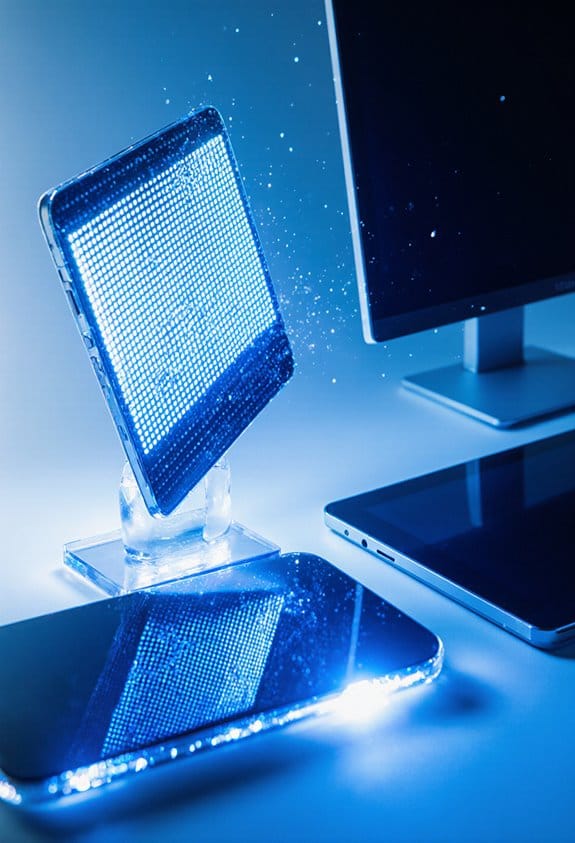
Hey there! Have you ever thought about how much blue light is a part of our everyday lives? It’s kind of surprising when you think about it, right? We usually associate blue light with our screens, but don’t forget that sunlight is a major source too! During the day, those bright rays really pack a punch, and that’s just the start.
As the sun sets and we switch gears to our evening routines, our beloved digital devices—smartphones, tablets, and computers—take over. You know those late-night scrolls on Instagram? Each of those LED screens was generating a good amount of blue light, and if you’re like most people, you’re likely racking up more than 13 hours of exposure a day! On top of that, even the LED bulbs in our homes can add to our blue light intake.
Using screens up close, especially for extended periods, can lead to some discomfort and even digital eye strain. Try giving your eyes a break by setting a timer to step away from your devices every hour. Simple actions like that can make a big difference! So, as we navigate our blue light-filled lives, it’s worth paying attention to how much we’re really exposed to. Ready to find out how to protect your eyes from the effects of all that blue light? Let’s explore some practical tips! Many people find that wearing blue light glasses helps reduce digital eye strain and improves comfort during long screen sessions.
Recommended Products


TAHOE EDITION: Inspired by crystal-clear water of Lake Tahoe, these GUNNAR glasses represent the pinnacle of engineering and the best optical materials on the market

GUNNAR produces the only blue light blocking computer and gaming glasses with Patented Lens (#9417460) Technology that is recommended by doctors to protect and enhance your vision.
How Blue Light Emission Varies Across Different Devices
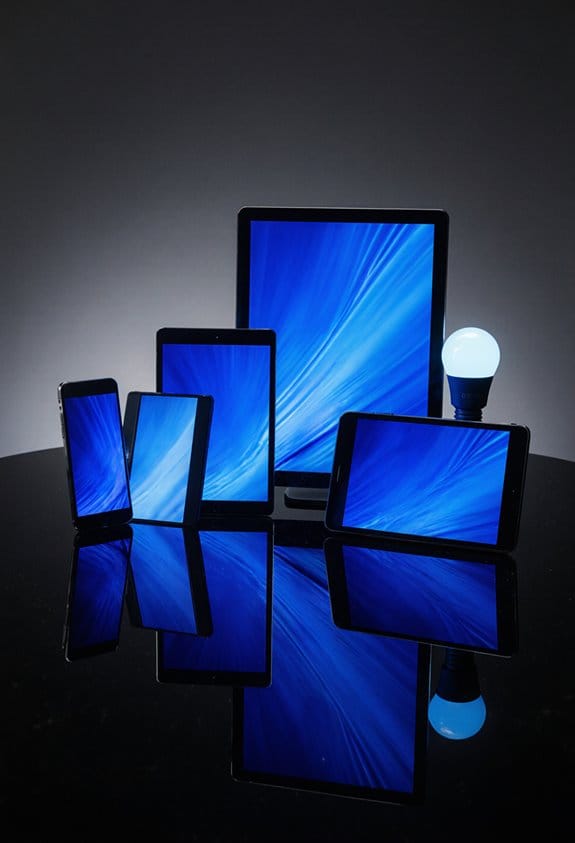
Hey there! So, you know how we often point fingers at screens for blue light exposure? Well, it’s pretty wild how much this blue light emission varies depending on the device. For example, LED screens, like those on our favorite smartphones and tablets, often shine with blue light at wavelengths between 435-440 nm—basically giving off light levels that can be similar to what we find in natural daylight. So, when you’re scrolling through your social media late at night, you might be soaking up quite a bit of that blue light!
Now, here’s another interesting tidbit: fluorescent and CFL light bulbs actually emit more blue light than those old-school incandescent bulbs. Yep, those compact spiral lights might be more energy-efficient, but they also crank out those blue rays. And if you think about it, computer monitors and TVs don’t let off the same kind of blue light—each has a different spectrum, which can surprise you if you’re trying to figure out where the strain in your eyes is coming from after a marathon streaming session.
Using these devices for long stretches, especially up close, can lead to discomfort and digital eye strain. It’s a sneaky problem that can creep up on anyone in our tech-driven world! So, it’s definitely worth considering how all these devices contribute to our daily blue light dose and finding ways to protect our eyes. What do you think?
To effectively reduce such strain, many people turn to blue light glasses that offer UV400 protection and help alleviate discomfort.
Recommended Products

【High-definition anti-blue light】 The lenses used in these reading glasses are designed with seven layers of coating, which can block harmful blue light from electronic products such as mobile phones and computers, allowing you to read more comfortably

Recommended by doctors, our blue light blocking reading glasses (Patented Lens #9417460) protects your vision, reduce eye strain and headaches while viewing tablets, computers, TV, and phone screens

Recommended by doctors, our blue light blocking reading glasses (Patented Lens #9417460) protects your vision, reduce eye strain and headaches while viewing tablets, computers, TV, and phone screens
The Benefits of Moderate Blue Light Exposure
You know, many people think all blue light is bad for us, but moderate exposure actually has some fantastic benefits. It helps you stay alert, boosts your memory, and can really improve your performance during the day—pretty impressive, huh? Just think about those times when you’ve felt more focused under bright, natural daylight; that’s blue light at work!
Plus, blue light plays a crucial role in regulating our circadian rhythms. This means it helps manage our sleep-wake cycle, which is super important for all of us trying to maintain a healthy routine. And here’s another interesting fact: blue light can elevate serotonin levels in our brains, which can lift our mood and overall emotional well-being.
If you or someone you know struggles with Seasonal Affective Disorder (SAD), using therapeutic blue light can make a big difference in easing those symptoms. So, making a point to get some daily sunlight or using a light box, especially in the winter months, can keep your energy up and help you stay focused. It’s fascinating how something as simple as light can have such a big effect on our lives!
For those spending long hours in front of screens, wearing blue light glasses with yellow tints can help reduce eye strain and improve visual comfort.
The Risks Associated With Excessive Blue Light Exposure
Hey, have you ever thought about the risks of excessive blue light exposure from all those screens? It’s a pretty real concern! A whopping 65% of people in the U.S. say they experience symptoms of digital eye strain, like blurred vision and headaches, after spending too much time in front of screens. It’s not just a minor annoyance; if we keep it up over time, we could actually be looking at more severe issues down the line, like age-related macular degeneration.
Kids are particularly vulnerable, too, since their eyes are still developing. And if you’re anything like many folks who rack up more than 13 hours of screen time a day, you might want to think twice about your long-term eye health. Plus, excessive blue light can mess with our sleep cycles and disrupt melatonin production, which makes it harder to fall asleep at night. Using blue light blocking glasses can help reduce eye strain and protect your vision during prolonged screen exposure.
Recommended Products

✅Eyes Moisturizing Effect : Our glasses adds a physical moisturizing silicone ring to slow down the evaporation of moisture in the eyes and effectively solve the problem of dry eyes.The humidity and temperature of the water box can be adjusted by filling the reservoir with water, heating and freezing the Tourmaline.

TRANSFORM YOUR SLEEP & HABITS: The Hack Your Sleep Bundle. Say Goodbye to Sleepless Nights and Bad Habits. Are you struggling with poor sleep and unproductive habits? Our exclusive bundle combines the transformative power of Swanwick Sleep’s Night Swannies and the ‘47 Day Habit Hacker’ program.

Blue Light’s Impact on Sleep and Circadian Rhythms
You know, blue light really messes with our sleep and circadian rhythms—it’s fascinating but kind of frustrating too! When we expose ourselves to blue light in the evening, like from our phones or computers, it can seriously block the production of melatonin, which is the hormone that helps us fall asleep. This disruption can throw our internal body clock off track, making it harder to get those precious hours of rest we need.
Think about it: how often do you find yourself mindlessly scrolling through social media late at night? That late-night habit can easily cut down your sleep time to less than the recommended 7-9 hours, leaving you feeling groggy the next day. Even a quick peek at a screen can disturb your REM sleep—the deep sleep that helps you feel well-rested. So, maybe try setting a “screen curfew” an hour before bed. It could make a big difference!
As we become more aware of how blue light affects our nightly routines, it raises the question: how can we create a more sleep-friendly environment? Using blue light blocking glasses during evening screen time is one effective way to reduce this disruption and promote better sleep quality.
Recognizing Symptoms of Digital Eye Strain
Hey there! You know how we spend a ton of time staring at screens these days? It can really get to our eyes—this is what we call digital eye strain. In fact, a surprising 65% of Americans report feeling the effects after just a couple of hours in front of their devices, and symptoms like eye strain, blurred vision, and even headaches often creep in. It’s mainly due to blue light from our screens and the fact that we keep them so close to our faces.
Children are especially at risk; their eyes are still developing, so they can feel these symptoms even more acutely. For example, if you notice your child rubbing their eyes often or complaining about headaches after gaming or scrolling, those are signs to take seriously. Recognizing these symptoms early can really make a difference, so if you start feeling tired eyes or nagging headaches, it’s definitely time to step away from the screen for a bit. Giving your eyes even a short break can do wonders, and trust me, they’ll appreciate it! Using blue light blocking glasses during extended screen time can also help reduce these symptoms and protect your vision.
Recommended Products

Benefits: Wear Sunset Lenses between sunset and bedtime. Experience newfound relaxation in the evening, fall asleep more easily, sleep more deeply, and wake up with more energy. Customers who wear sleep tracking devices consistently report significant improvements in their sleep scores when wearing Ra Optics.
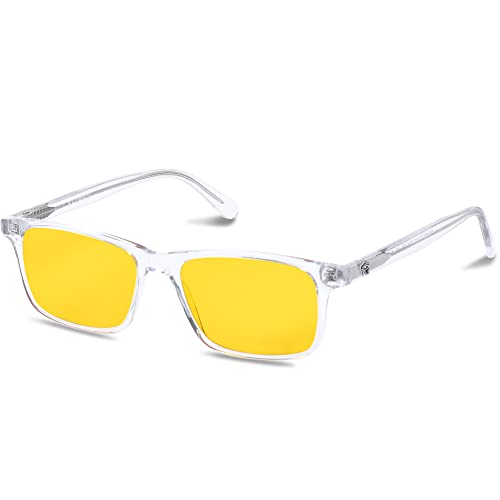
Benefits: Wear Daylight Lenses whenever you are exposed to man-made light sources during the day, whether you are on the computer, at the office, or at school. Eliminate eye strain, headaches, and afternoon fatigue. Calm your mind, boost your focus, and increase your productivity.

Tom Ford Blue Light Block Sport Men's Eyeglasses FT5939-B 001 52
Top Strategies for Minimizing Blue Light Exposure
Hey there! If you’ve ever dealt with the annoying symptoms of digital eye strain, you might want to start thinking about how to cut down on blue light exposure. Trust me, it can make a big difference! One of the easiest ways to do this is by limiting your screen time in the evenings. This simple change can help you sleep better at night—who doesn’t want that?
Another great tip is the 20-20-20 rule. Here’s how it works: every 20 minutes, take a 20-second break and focus on something at least 20 feet away. It’s a great way to give your eyes a little rest. You might also want to grab a pair of blue light blocking glasses if you spend a lot of time on screens. They really can help reduce that harsh blue light and make your eyes feel more comfortable.
Don’t forget to play around with your device settings too. Most smartphones and computers have options to reduce blue light emissions, especially at night. And, if you swap out those bright white bulbs for softer red or orange lighting in the evening, you’ll notice a real improvement in your sleep quality.
Choosing blue light glasses with ANSI Z87.1 certification ensures you get reliable protection from harmful rays.
Making these adjustments can really help alleviate those pesky eye strain symptoms. Plus, you might find that you enjoy winding down more. Now, let’s chat about some other things you can do to take care of your eyes in our tech-heavy world!
Recommended Products

Impact-Resistant: safety glasses are made with impact-resistant polycarbonate lenses for enhanced safety and clarity; Impact-resistant lenses are also anti-fog


A fusion of everyday wearability, maximum protection, and fit, the WX Helix is a versatile pair of sunglasses that never goes out of style.
When Should You Talk to a Professional About Blue Light?
Hey there! If you’ve been squinting at screens or rubbing your eyes a lot, it might be a sign to talk to someone about blue light exposure. You know, digital eye strain is pretty common. Symptoms like eye fatigue, blurry vision, or even those annoying headaches can really start to add up. So, chatting with an eye care professional could make a big difference for you!
It’s especially important to keep an eye on kids since their developing eyes are more sensitive to blue light. If you notice them feeling uncomfortable after screen time, it’s definitely worth getting them checked out. And if you’ve recently had cataract surgery, make sure to ask your doctor about how your new intraocular lens handles blue light.
Oh, and if you find yourself tossing and turning at night, checking in with a professional about your screen habits is a smart move. They can help you figure out how to adjust your routine to boost your sleep quality. Speaking of sleep, let’s chat about some practical tips for reducing blue light exposure! Using blue light filtering technology glasses can significantly ease eye strain and improve comfort during extended screen time.
Future Research Directions on Blue Light and Eye Health
You know, as we’re starting to really grasp the effects of blue light on our eyes, it’s pretty thrilling to think about where research might head next. One big area scientists are interested in? Figuring out how blue light impacts our vision over the long haul, especially with conditions like age-related macular degeneration. Imagine being able to pinpoint how much blue light exposure contributes to that!
Another topic that’s gaining traction is testing blue light-blocking glasses and filters. It would be fascinating to see if they actually help alleviate eye strain during those long hours we spend in front of screens—like when you’re binge-watching shows or juggling back-to-back Zoom meetings.
And then there’s the whole idea of finding the right balance of blue light exposure. We all know that some sunlight can lift our mood, but what if researchers could discover specific exposure levels that are both good for our spirits and protective of our eyes? Plus, looking at different wavelengths could help differentiate between the blue light that might be harmful and the kind that might actually be beneficial—especially for kids and older adults who could be more sensitive.
With all these possibilities on the horizon, it’s clear there are many exciting questions left to answer about blue light and eye health! Exploring the effectiveness of anti-fog technology in blue light blocking glasses could also be a crucial step in improving user comfort and safety during prolonged use.
Frequently Asked Questions
What Are Blue Light Wavelengths?
Blue light wavelengths range from 380 to 500 nm and can affect our sleep. We can use blue light filters to mitigate these effects, as natural sources like sunlight provide a different spectrum beneficial for our well-being.
What Are Some Examples of Blue Light?
We’ve all felt it—staring at smartphone screens, LED lighting glowing overhead, and computer monitors flashing images. These are just a few examples of blue light surrounding us, constantly influencing how we see and feel.
Is Watching TV Considered Blue Light?
Yes, watching TV does count as blue light exposure. To combat screen time effects, we can adopt eye strain solutions like using blue light filters or reducing screen time, ensuring better eye health and sleep quality.
What Device Gives off the Most Blue Light?
Smartphone screens often give off more blue light than computer monitors and LED lighting, yet we can’t ignore how much time we spend on them. Let’s remember to protect our eyes from prolonged exposure.


