As an Amazon Associate, we earn from qualifying purchases. Some links on this site are affiliate links at no extra cost to you. Our recommendations are based on thorough research and editorial judgment.


When to Replace Sunglasses: Scratches, Coating Failure, and UV Concerns

We should replace our sunglasses if we notice any significant scratches, cloudy spots, or if they’re older than two years. Scratches can distort our vision and reduce UV protection, risking serious eye issues. If lenses appear hazy or have bubbling, that’s a sign of coating failure. Additionally, if they lack that reassuring “UV400” label, it’s time for a new pair. Let’s stay smart about our eye health; there’s more we can uncover about keeping our shades in check!
Key Takeaways
- Replace sunglasses if visible scratches interfere with vision clarity or distract you while driving.
- Check for coating failures: cloudy spots or discoloration indicate it’s time for new lenses.
- Sunglasses older than 2-3 years typically lose UV protection; consider replacing them to ensure safety.
- Regular weekly inspections for significant wear help determine the need for new sunglasses.
- Look for the “UV400” label; replace if they don’t provide proper UV protection.
Understanding UV Concerns: Why You Should Care for Your Sunglasses?
You may be interested


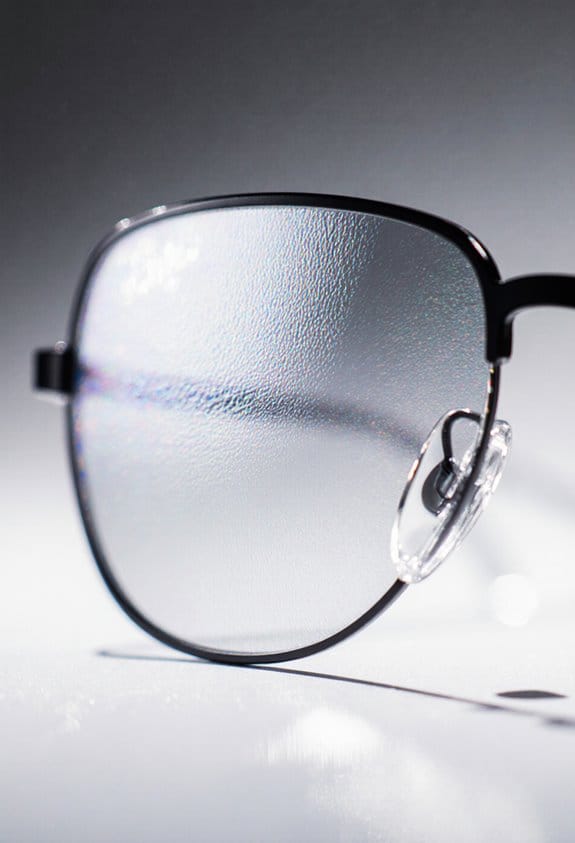
Hey there! Have you ever thought about what happens to our sunglasses over time? It’s pretty fascinating, actually. The UV protection on your sunglasses can deteriorate due to factors like sunlight, dust, and humidity. If we hold onto those scratched-up shades for more than 2–3 years, we could be putting our eyes at risk for serious problems down the line, like cataracts.
Think about it: those little scratches on your lenses can interfere with the UV-blocking coatings, leaving your eyes vulnerable to harmful rays—yes, even on cloudy days! Imagine heading out for a leisurely day at the park, only to find out your sunglasses aren’t doing their job anymore. Choosing sunglasses with UV400 protection helps ensure your eyes stay safe while enjoying the outdoors.
Why Scratches Matter: How They Affect Your Vision
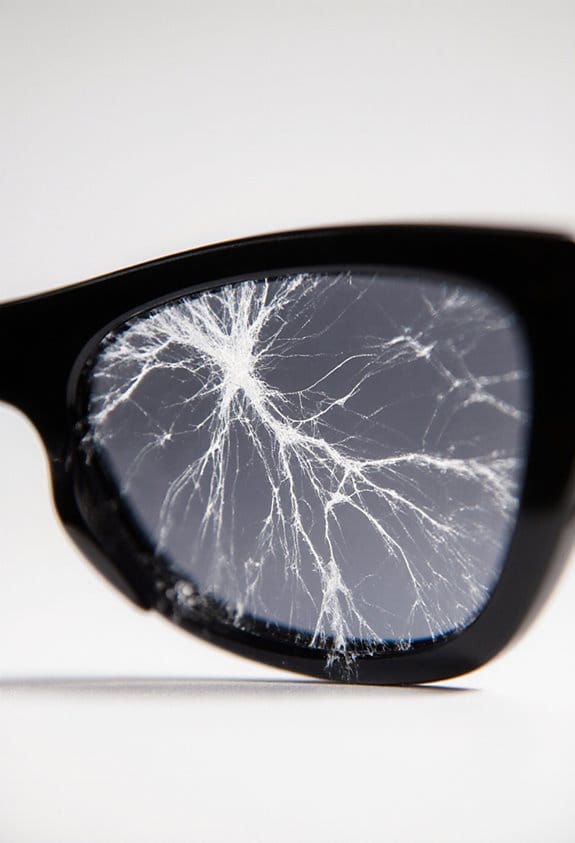
Hey there! You know those scratches you get on your sunglasses? They might look like just a small annoyance, but they can actually impact your vision quality a lot more than you might think. Even tiny scratches can mess with how clearly you see, which is especially frustrating when you’re out driving. Imagine trying to focus on the road but getting distracted by blurry spots or distortions—definitely not cool!
It’s important to keep an eye on any scratches, particularly if you wear your shades every day. I recommend checking them once a week. If you notice some significant scratches, it’s time to start thinking about getting a new pair. Continuing to wear sunglasses with damaged lenses not only reduces your protection from harmful UV rays but could also lead to all sorts of vision issues down the line.
Taking care of your sunglasses is essential for keeping your eyesight sharp. So next time you put them on, give them a quick inspection. Investing in a good pair might seem like just a fashion choice, but it’s really about making sure your vision stays clear and comfortable—something we can all appreciate! Glasses with scratch-resistant coatings help maintain lens clarity and extend protective benefits.
How to Spot Coating Failures and UV Protection Issues?
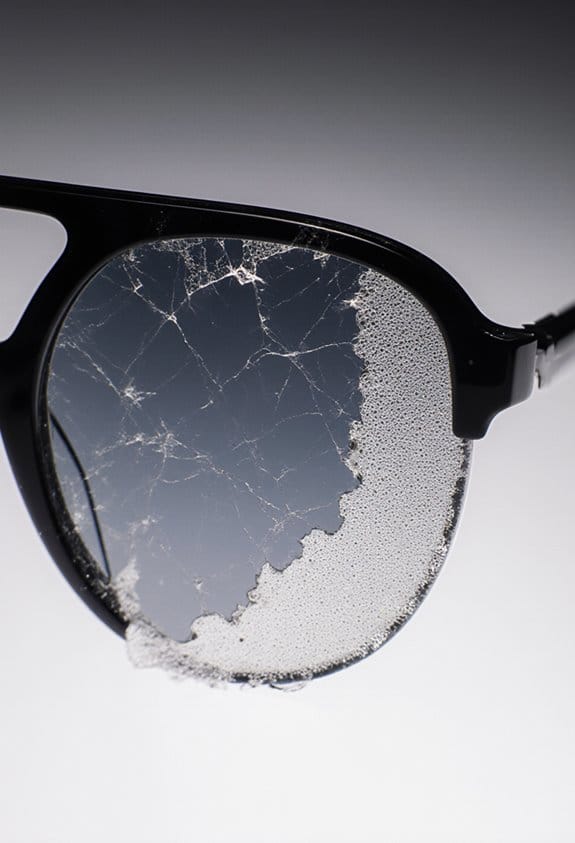
Have you ever thought about how to tell if your sunglasses are still doing their job when it comes to UV protection? It’s actually pretty simple! One of the first signs of coating failures is when you start seeing hazy spots or cloudiness on the lenses. If you notice discolored lenses or even a bubbling effect in the tint, that’s a solid indicator that the coating is breaking down, and it might be time for a new pair.
Also, keep an eye out for scratches. They might look harmless at first, but scratches can compromise your UV defense. It’s essential to inspect your lenses regularly for any signs of delamination or distortion, as these can affect your visual clarity. For example, if you see a wave-like distortion while looking through your lenses, it’s more than just annoying; it means your eyes aren’t getting the protection they need.
Replacing sunglasses regularly ensures continued UV protection and glare reduction for your eye health and comfort.
How to Assess Your Sunglasses’ Condition Regularly?
Hey there! Let’s chat about something we often forget: our sunglasses and how important it is to assess their condition regularly. You know how even a tiny scratch can mess up your vision? That’s why it’s a good idea to check for visible scratches on your lenses. A quick weekly inspection can help you spot any signs of wear, like bubbling or delamination. If you notice those, you might want to consider replacing your shades sooner rather than later.
Another handy trick is to do a simplicity test under bright light. Just hold your sunglasses up and look for any hazy spots. If your view looks distorted at all, that’s definitely a sign something’s off. Don’t forget to check the frames too! A bent or cracked frame can not only be uncomfortable but might also let UV rays sneak in.
Oh, and that “UV400” label? Always a must-have! If your sunglasses are older than two years and don’t have that certification, it’s probably time to treat yourself to a new pair. Remember, taking care of your sunglasses is essential for your eye health—it’s worth it! Now, if you’re curious about how to store them properly, let’s get into that next!
Consider investing in sunglasses with polarized lenses to significantly reduce glare and enhance color clarity, making a big difference in your outdoor experience.
How to Choose Sunglasses for Optimal Eye Protection
Choosing the right sunglasses is super important for keeping your eyes safe from harmful UV rays, and it can be a lot more than just a style statement! You want to find labels like “100% UV protection” or “UV400,” which means they block both UVA and UVB rays completely. For those sunny days, polarized lenses are a great choice because they really help cut down on glare—especially if you’re driving or spending time at the beach.
When it comes to the actual lenses, consider going for durable materials like polycarbonate or Trivex. These are perfect if you lead an active lifestyle, as they resist impacts and scratches quite well. Also, wraparound styles are fantastic for keeping sunlight from sneaking in from the sides, offering even better protection.
Don’t forget to give your sunnies a regular check-up! Look for any scratches or wear and tear; these little issues can really mess with both the clarity of your vision and the UV protection. If you spot any problems, it’s definitely time to think about getting a new pair. Taking care of your sunglasses not only helps your eyes but can also make a significant difference in how well you see outdoors. So, let’s move on and chat about picking the right style that fits your face shape! It’s also worth considering sunglasses with impact-resistant lenses to ensure durability during active outdoor use.
Frequently Asked Questions
How Long Does UV Coating on Sunglasses Last?
UV protection lifespan usually lasts 2 to 3 years, influenced by daily usage, lens material durability, and environmental factors. We should follow maintenance tips and storage best practices to guarantee optimum optical clarity and cost-effectiveness.
When Should You Replace Sunglasses?
We should replace our sunglasses every 2–3 years, or earlier depending on style choices, frame materials, or lens types. Eye protection matters, and aligning with fashion trends helps balance personal comfort and budget considerations.
How to Tell if Lens Coating Is Damaged?
We can tell lens coating is damaged by checking for cloudiness, scratches, or a sticky feel. We should prioritize brands known for durability, UV protection, and visual clarity while considering repair options and maintenance for longevity.
Can You Replace Coating on Sunglasses?
We can’t replace the coating on sunglasses effectively. Instead, we should consider lens repair or replacements for lasting UV protection, optical clarity, and durability. Let’s prioritize cost considerations for proper sunglass care and maintenance.


