As an Amazon Associate, we earn from qualifying purchases. Some links on this site are affiliate links at no extra cost to you. Our recommendations are based on thorough research and editorial judgment.


Smart Glasses Connectivity Guide: Bluetooth vs Wi‑Fi vs LTE

When we look at smart glasses connectivity, we see three main contenders: Bluetooth, Wi-Fi, and LTE. Bluetooth lets us connect seamlessly to our phones for calls and notifications, using low energy to minimize battery drain. Wi-Fi, on the other hand, supports high-speed streaming and multiple device connections, though it struggles outdoors. Finally, LTE offers independence for navigation and alerts, but can drain the battery faster. There’s so much more to explore about these options that could really enhance your smart glasses experience!
Key Takeaways
- Bluetooth is ideal for short-range audio streaming and hands-free calling, conserving battery while allowing seamless device pairing.
- Wi-Fi supports high-speed internet for data-intensive tasks like streaming and remote work, but may have limited outdoor reliability.
- LTE provides independent internet access on-the-go, ensuring navigation and real-time updates without needing to tether a smartphone.
- Combining Bluetooth, Wi-Fi, and LTE enhances the smart glasses user experience across various applications and environments.
- Consider factors like battery consumption, range, and connectivity reliability based on your use case before choosing a connectivity option.
What You Need to Know About Smart Glasses Connectivity Options
You may be interested



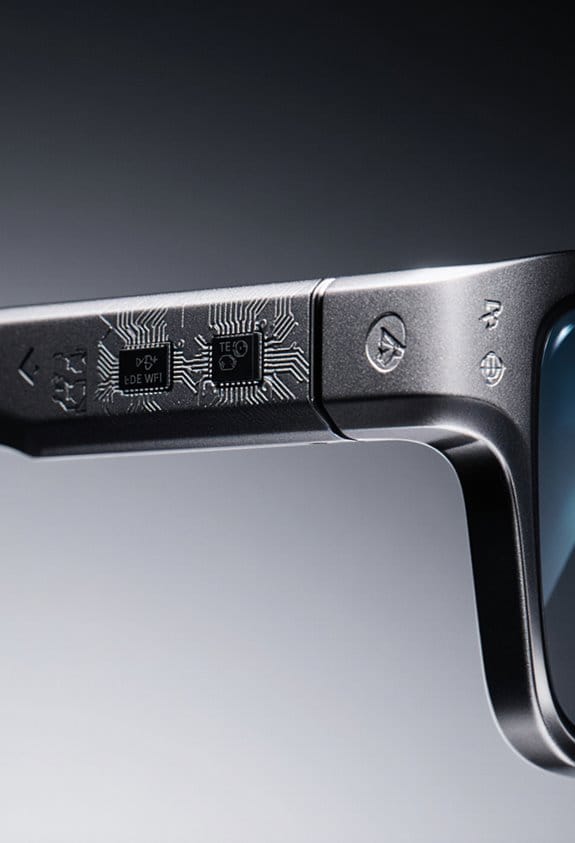
Hey there! So, let’s chat about smart glasses and their connectivity options. It’s super important to know how these gadgets connect because, ultimately, all those cool features are pretty pointless if they can’t communicate with your other devices.
Most smart glasses use Bluetooth for short-range communication, which is pretty neat! You can pair them with your smartphone and stay connected from up to 100 meters away—great for quick data transfers or listening to music on the go. Imagine slipping on your glasses, heading out for a jog, and still being able to handle calls without digging into your pocket!
When you need to browse the internet or stream videos, Wi-Fi becomes your best friend. It allows you to do more data-heavy tasks without a hitch. Plus, some smart glasses even come with LTE connectivity, so you can access the internet without being tied to your phone. This is perfect when you want to explore new places without worrying about losing your connection.
These connectivity options work together to ensure you have a seamless experience, whether you’re indoors, outside, or in those annoying low-signal areas. Many models also incorporate noise-canceling technology to enhance call clarity and improve your overall audio experience.
With all that in mind, let’s move on to what you can actually do with these smart glasses when you’re connected!
How Bluetooth Makes Smart Glasses Smarter
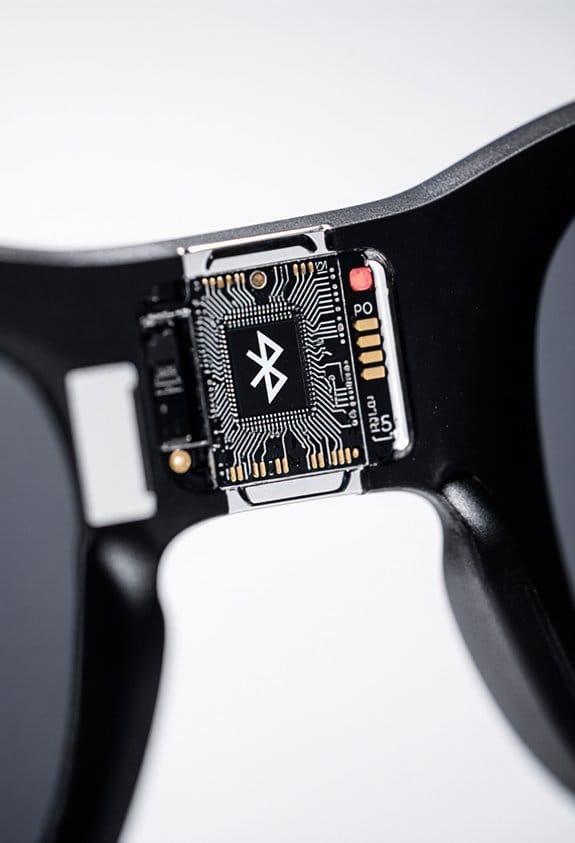
You know what really makes smart glasses stand out? That’s right, Bluetooth connectivity! It takes these stylish gadgets beyond just looking cool. With a range of up to 100 meters, you can stream music, take calls, or even get notifications from your phone without having to pull it out of your pocket. Imagine walking through the park, and you get a text alert right in your line of sight—how convenient is that?
These smart glasses also use Bluetooth Low Energy, or BLE for short. This means they don’t drain your battery like crazy while still keeping you connected. You can be out and about, enjoying real-time updates, whether it’s directions while you’re biking or messages popping up as you walk. Plus, with hands-free voice commands, you can control all of this without missing a beat. Many models also include dual ENC microphones to ensure clear audio capture and noise reduction during calls and recordings.
Wi-Fi’s Role in Data-Heavy Smart Glasses Tasks
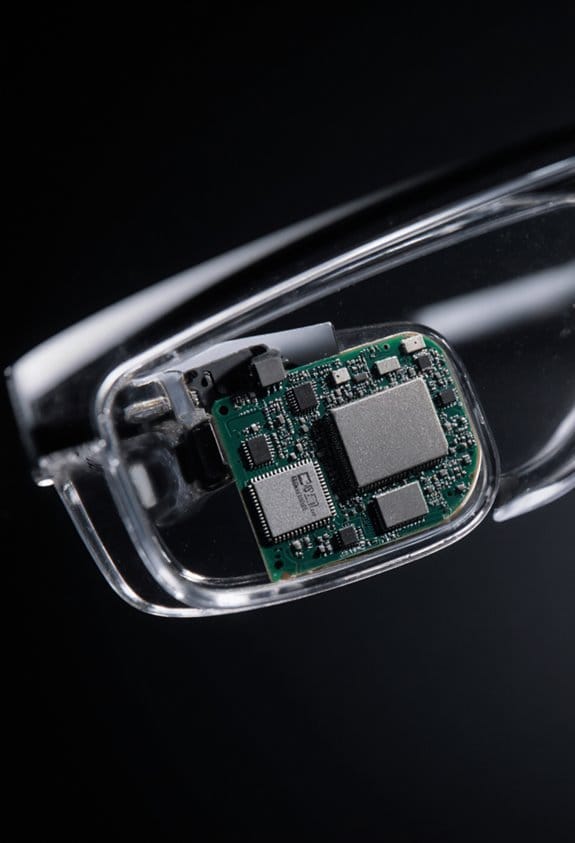
Hey! So, you know those smart glasses everyone’s been talking about? They’re not just trendy accessories; their true magic comes alive when you connect them to Wi-Fi. With a fast Wi-Fi connection, you can easily stream video or content, which is super important if you want to use augmented reality features effectively. Think about it—if you’re working on something like cloud computing or collaborating with friends in real time, having that reliable Wi-Fi can totally change how you communicate and get things done.
And it gets even better! With good Wi-Fi, your smart glasses can quickly update and download apps, keeping you right up to date with the latest features. Plus, if you set them up with your smart home devices, you can literally control things at home with just a glance. Pretty neat, right? It’s fascinating to see how connectivity can really enrich our daily lives!
Moreover, many AI translation glasses leverage Wi-Fi connectivity to provide real-time translation capabilities enhancing communication across languages.
Now, let’s explore how these capabilities open up exciting new avenues for creativity and productivity.
Keeping Connected: The Benefits of LTE for Smart Glasses
Hey! Have you ever thought about how cool it would be to have smart glasses that connect to the internet on their own with LTE? Imagine not having to rely on your smartphone for internet access anymore. With LTE connectivity, you can stay connected wherever you are—city or country, it doesn’t matter! This means you can get directions, stream videos, or use augmented reality apps without any hassle.
Some smart glasses even have a built-in SIM card slot, which makes it super easy to stay connected. No more searching for Wi-Fi or dealing with spotty connections! For example, you could be hiking in the mountains and still receive important notifications right in front of your eyes. How neat is that? Plus, it lets you stay updated on everything happening around you, making your daily routines a bit smoother.
With all this freedom that LTE-enabled smart glasses offer, it opens up a world of possibilities for staying connected on the go. Just think of how handy it would be to have all that technology right at your fingertips! And speaking of technology, let’s explore how these features enhance our daily lives even more. Advanced features like AI voice assistants integrated into smart glasses further streamline hands-free communication and interaction.
Comparing Performance: Bluetooth, Wi-Fi, and LTE in Smart Glasses
When it comes to smart glasses, choosing the right connectivity is key to having a great experience. You see, Bluetooth is awesome for short-range communication—usually up to about 100 meters. It’s perfect for linking up with your smartphone because it uses less battery, which is a big plus when you’re on the go. Imagine taking a quick walk and having your music play directly from your glasses without killing your battery life!
Now, let’s talk about Wi-Fi. It can really speed things up with high-speed internet, which is fantastic if you’re working with heavy data, like streaming a video tutorial. But keep in mind that the connection can be a bit unreliable depending on your surroundings. You might find your signal is strong in the coffee shop but weak when you step outside.
And then we have LTE connectivity. This is your ticket to being truly untethered, as it provides internet access even in remote areas. It can keep you updated with real-time notifications or directions, no matter where you are. Just remember, while LTE and Wi-Fi can drain your battery faster, Bluetooth still shines for everyday use, letting you enjoy your smart glasses without constantly worrying about recharging. Many advanced models also incorporate open-ear speakers to enhance audio quality without isolating you from your environment.
Finding the Best Connectivity for Your Smart Glasses Usage?
Finding the best connectivity options for your smart glasses can really enhance your experience. First off, consider Bluetooth connectivity—it’s fantastic for short-range tasks! With Bluetooth, you can control your glasses and get notifications from about 100 meters away, which is perfect for when you’re at a coffee shop or walking around your home.
Now, if you’re planning to stream videos or use apps that require heavy data, Wi-Fi becomes really important. Just make sure you’re in an area with a strong signal—nobody enjoys buffering! And, of course, there’s LTE, which is super helpful. It lets your smart glasses function without needing to be connected to your smartphone, especially in busy city environments.
However, keep in mind that if you live in a rural area, LTE might not be as reliable, so it’s smart to check the coverage before you invest. Ultimately, choosing smart glasses that support multiple connectivity options can lead to a smoother experience in different situations. Many smart glasses also incorporate Bluetooth 5.3 for improved connection stability and enhanced audio quality.
Frequently Asked Questions
Do the Meta Glasses Work Without Wi-Fi?
Sure, Meta glasses can work without Wi-Fi, but let’s just say you won’t be exploring their full functionality. Offline usage feels like a tease, limiting app compatibility and stifling our user experience, doesn’t it?
How Do Smart Glasses Connect to the Internet?
Smart glasses connect through various connectivity options, like Bluetooth, Wi-Fi, and LTE, enabling advanced features and applications. This internet-enabled eyewear enhances our experience, though limitations in battery life impact usability for augmented reality and wearable technology.
What Do Bluetooth Smart Glasses Do?
Bluetooth smart glasses enhance our lives with augmented reality, hands-free communication, and voice commands. They offer fitness tracking, navigation assistance, audio playback, smartphone pairing, social media integration, and even gaming experiences for ultimate convenience and connectivity.
Are Smart Glasses and AI Glasses the Same Thing?
Smart glasses and AI glasses aren’t the same. While both are wearable devices, AI glasses boast advanced functionalities for augmented and virtual reality, enhancing user experience through smarter technology compared to basic smart glasses.


